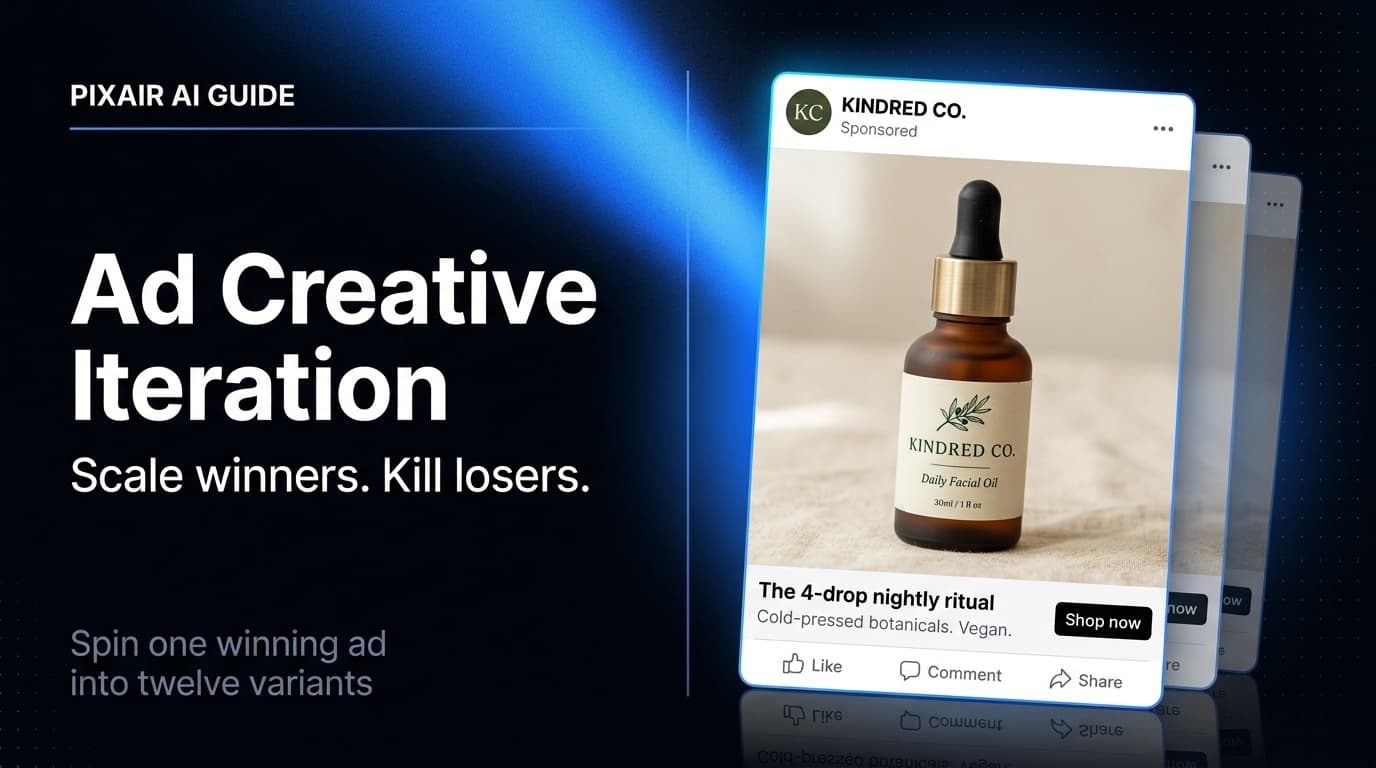
Facebook ad creative iteration is the post-test workflow of killing losing variants fast, spinning each winner into 8-12 new ads, and feeding the next test batch before fatigue hits. The accounts that scale spend without inflating CPA do not just produce more ads - they iterate the right ones. With Pixair AI, you can take a single winning concept and generate a full spin-off batch in under 30 minutes for less than $3 in credits, instead of briefing a new designer cycle every time you find a winner.
What Is Facebook Ad Creative Iteration?
Iteration is what you do after a test runs. A test tells you which creative concept won. Iteration is the process of taking that concept and producing 8-12 close variants - same hook, different scene; same layout, different headline; same product shot, different angle - so you can scale the winner without burning it out inside two weeks.
Most teams treat the winner as a finish line: they push budget into it, watch the CPA hold for 7-10 days, then watch it collapse as frequency climbs. The teams that actually scale treat the winner as a starting line. They use it to seed a second batch of similar-but-different ads, rotate those into the same ad set, and keep the audience seeing fresh variations of a proven angle. That is iteration, and it is the single biggest gap between accounts that scale and accounts that plateau.
Why Do Most DTC Accounts Ship the Same Three Ads for Six Weeks?
The bottleneck is not creativity - it is production capacity right at the moment a winner appears. By the time a test reads as a clear win, the team is already 3-4 weeks into a brief cycle for the next concept. Iterating the winner gets deprioritized because there is no slack in the pipeline. The result: one winning ad runs for 6 weeks, fatigues hard, and the account loses 30-50% of its peak ROAS before the next creative wave lands.
Iteration windows are 3-5 days, not 3 weeks
A winner needs spin-offs in the ad set within 5 days of confirmation, otherwise frequency builds on the single winner and CTR collapses before the iteration arrives. A traditional designer cycle takes 2-3 weeks. The math does not work - which is why most accounts ride the winner until it dies instead of extending its life.
Spin-offs convert at 65-80% of the original
Variations of a proven winner do not need to outperform the original - they need to be close enough to extend the angle's life. On DTC accounts, well-iterated spin-offs land at 65-80% of the winner's CTR while burning fatigue budget instead of the winner's impressions. That is what keeps the angle alive past week three.
Most teams cannot kill losers fast enough
The other half of iteration is killing fast. Variants that show sub-1% CTR after 3,000 impressions or CPA 2x your target after 48 hours should be paused, not given “another day.” Teams that hold losing variants “to be sure” waste 15-25% of their daily test budget on ads that will never recover. Fast kill is what frees the budget to iterate the actual winner.
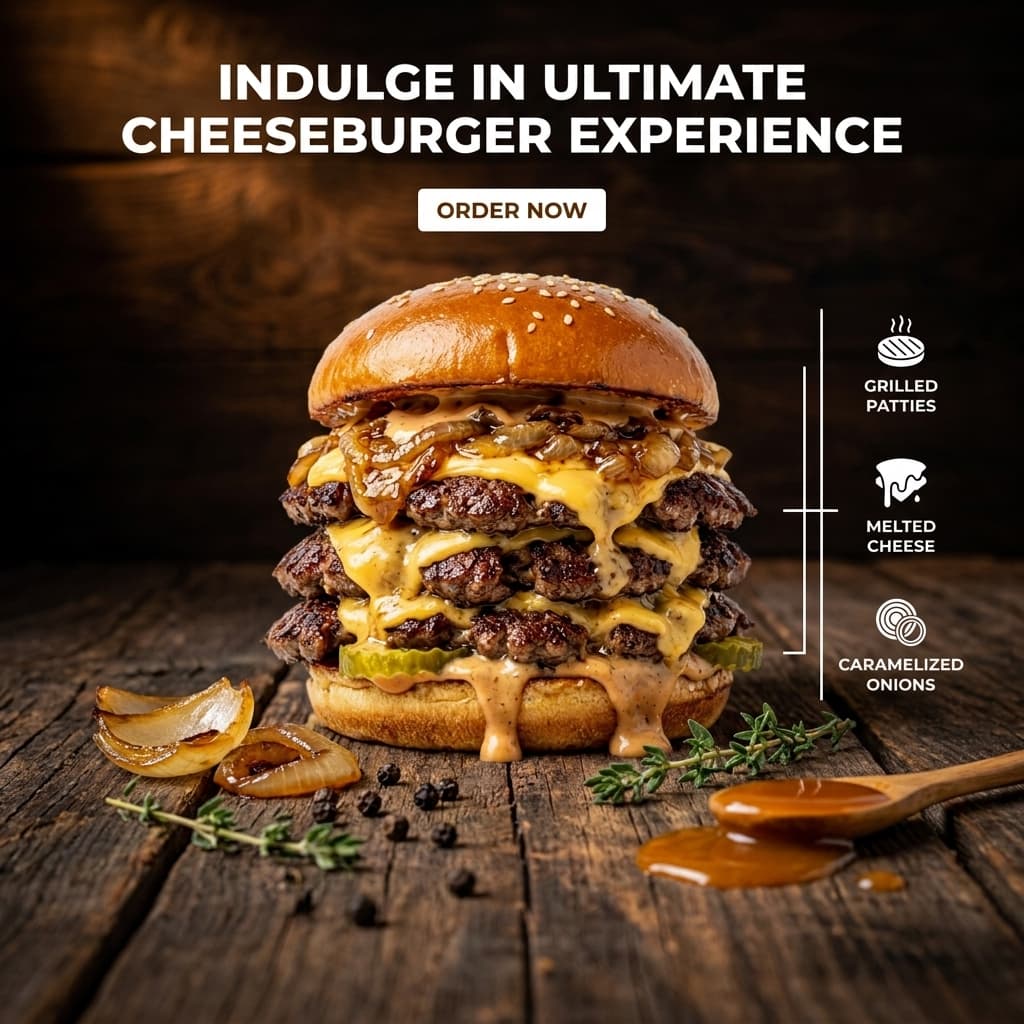
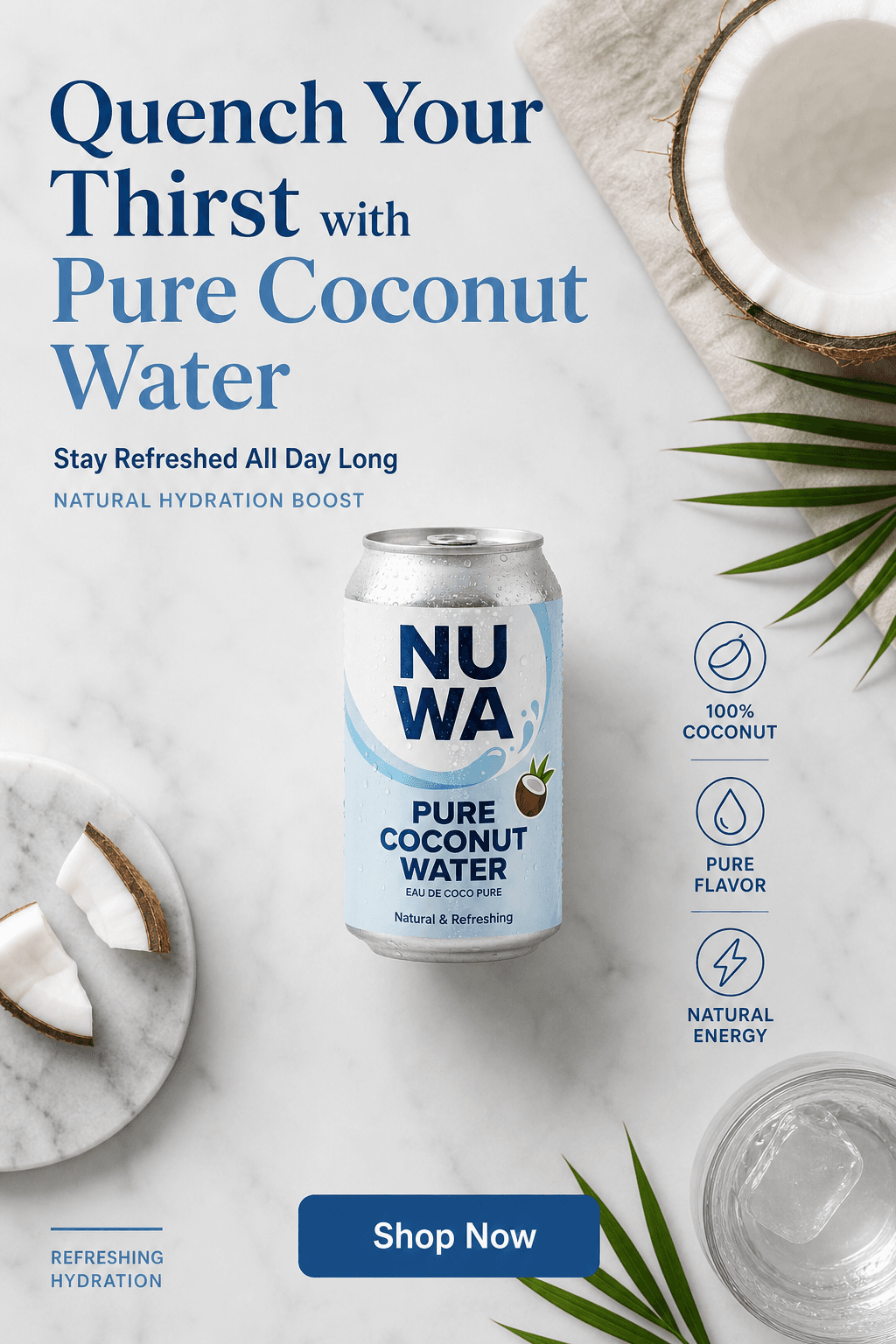
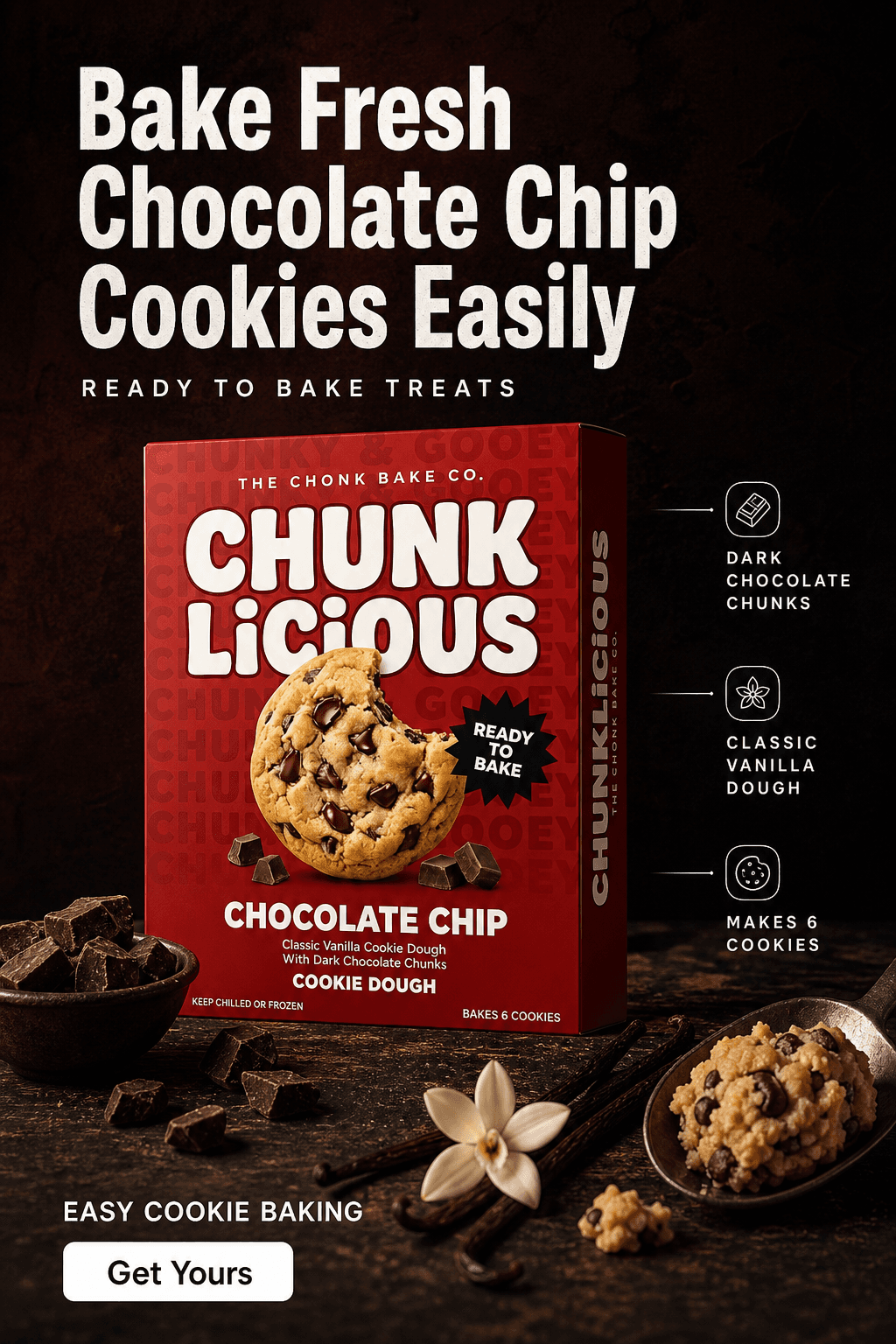
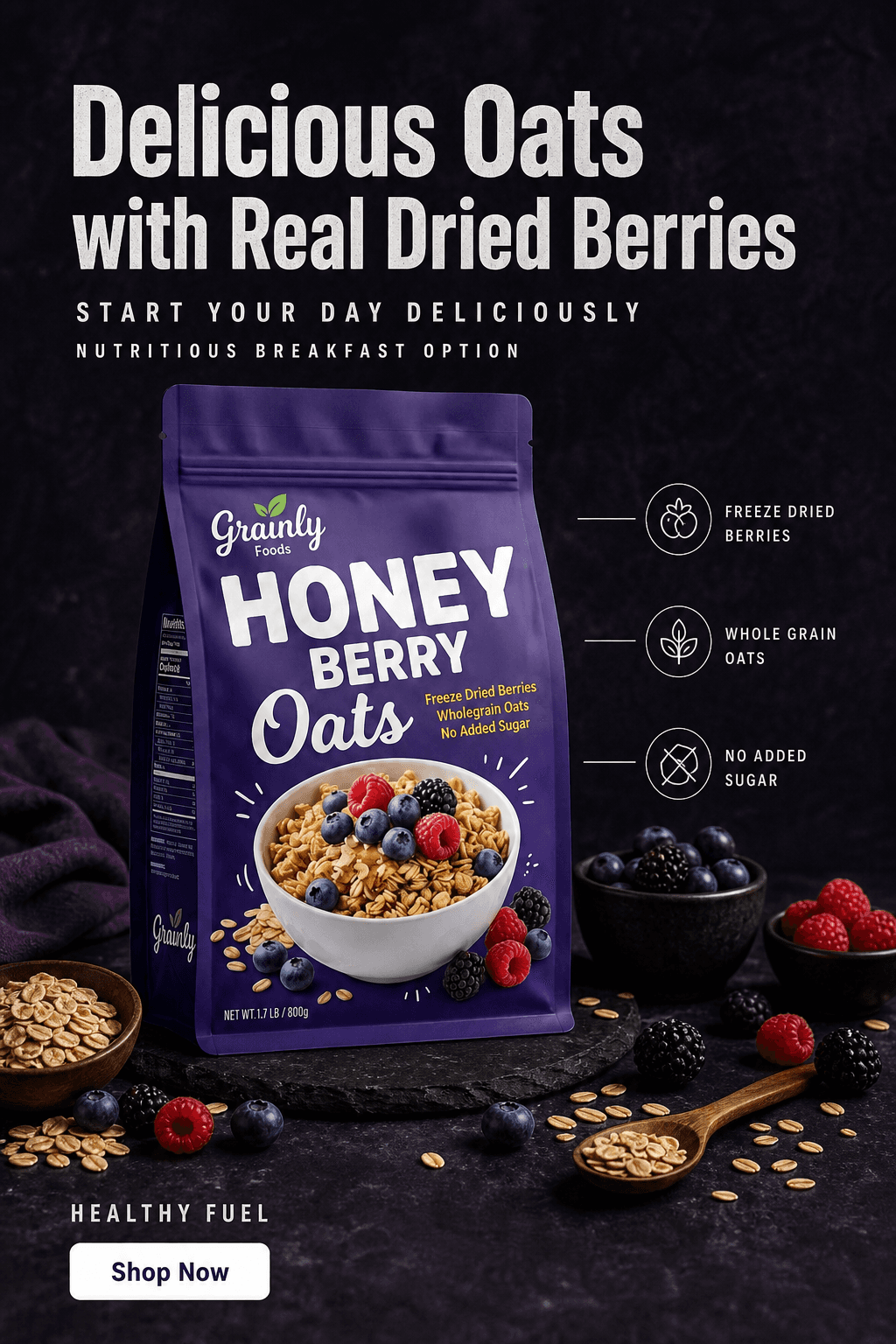
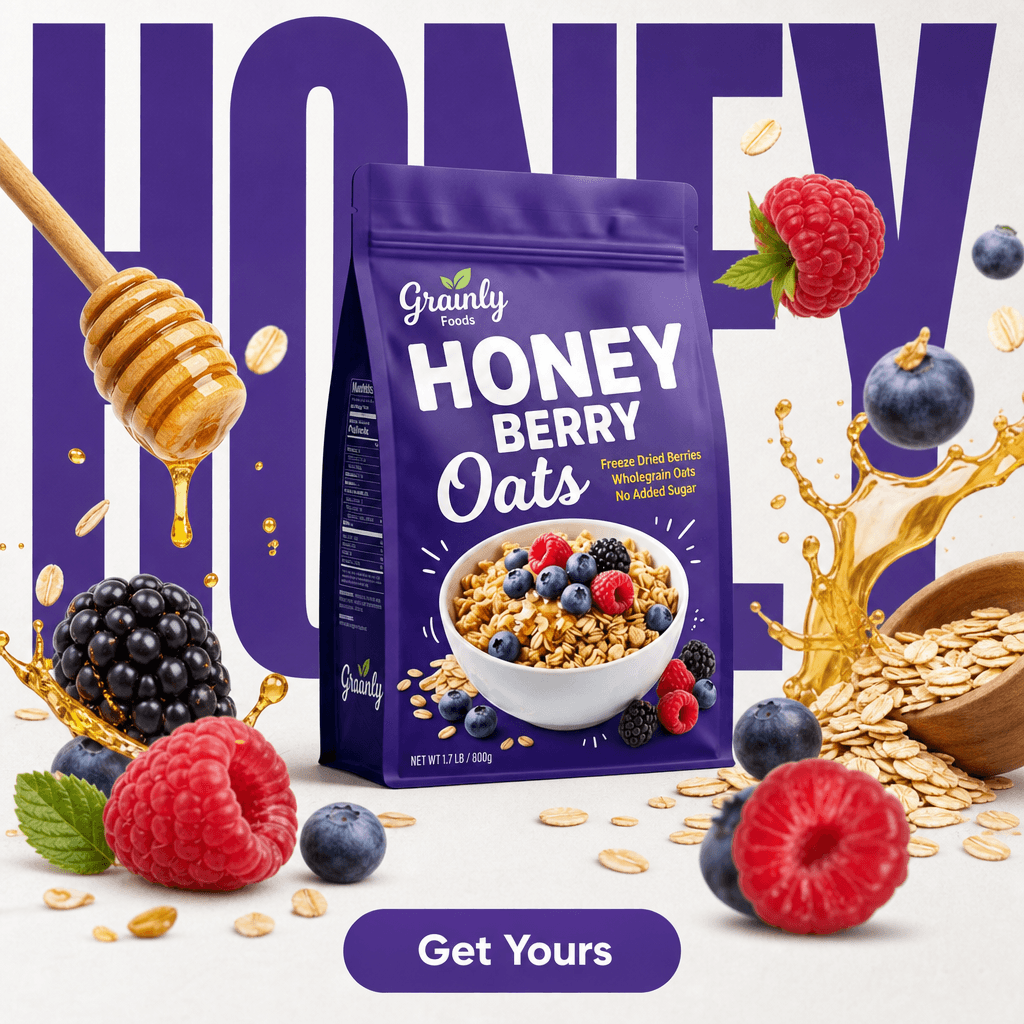
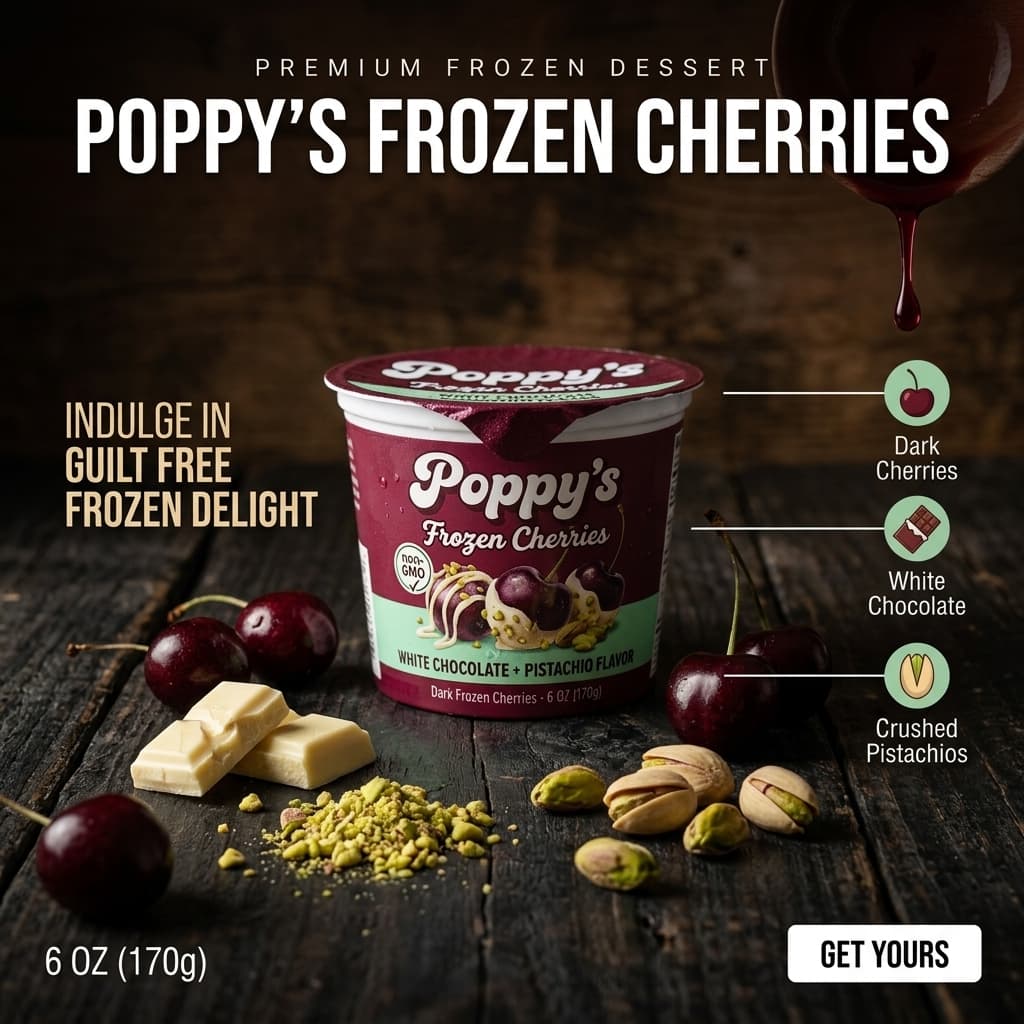
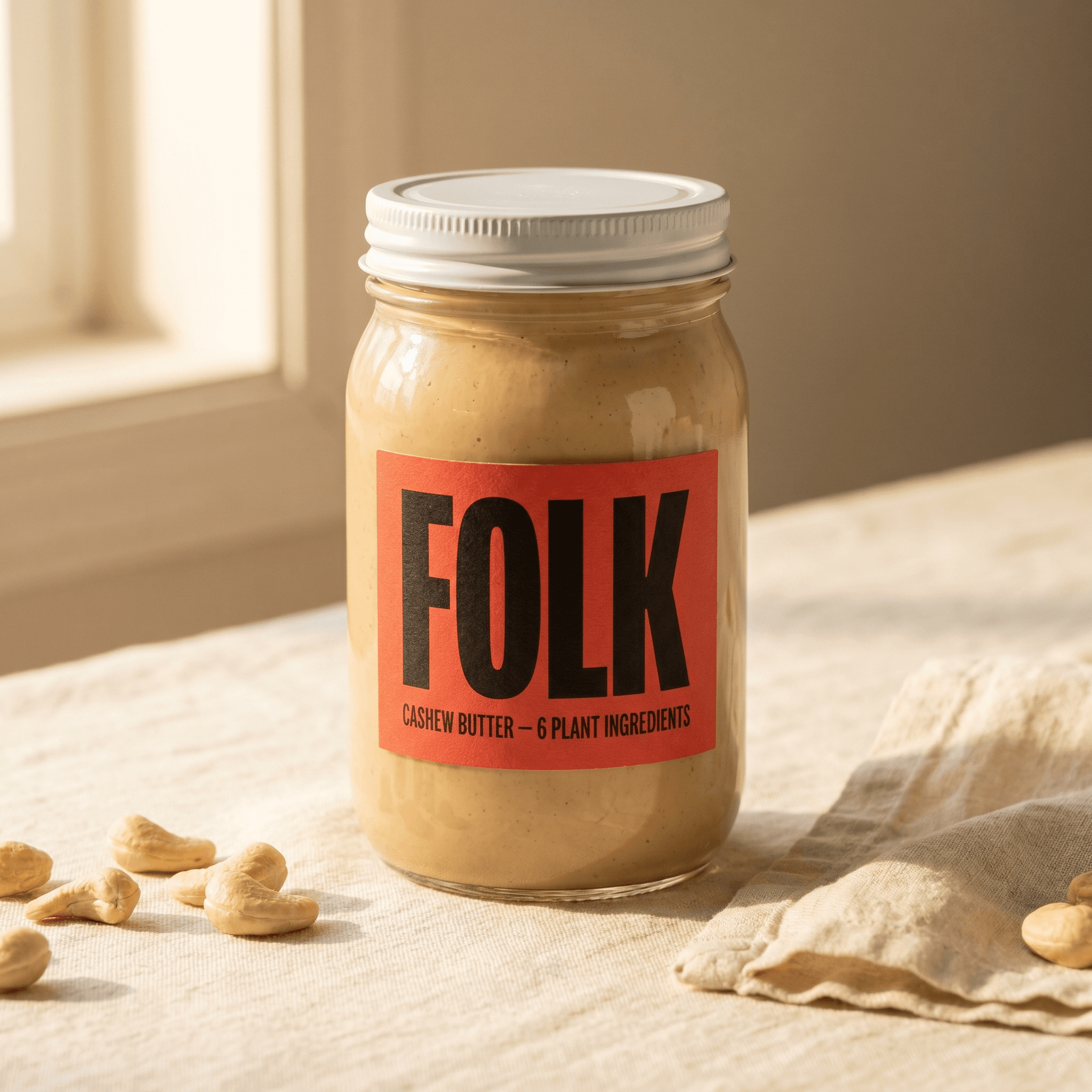
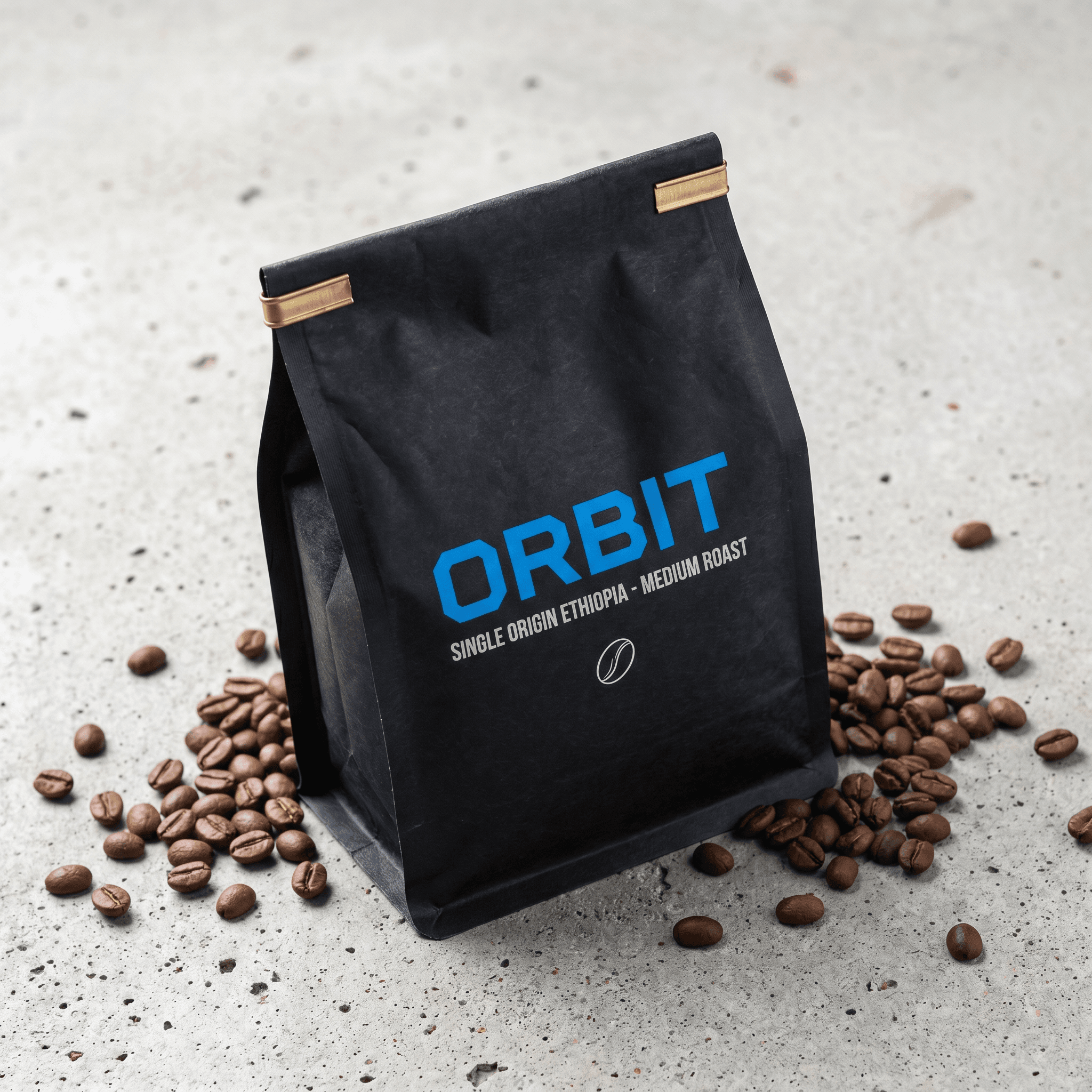
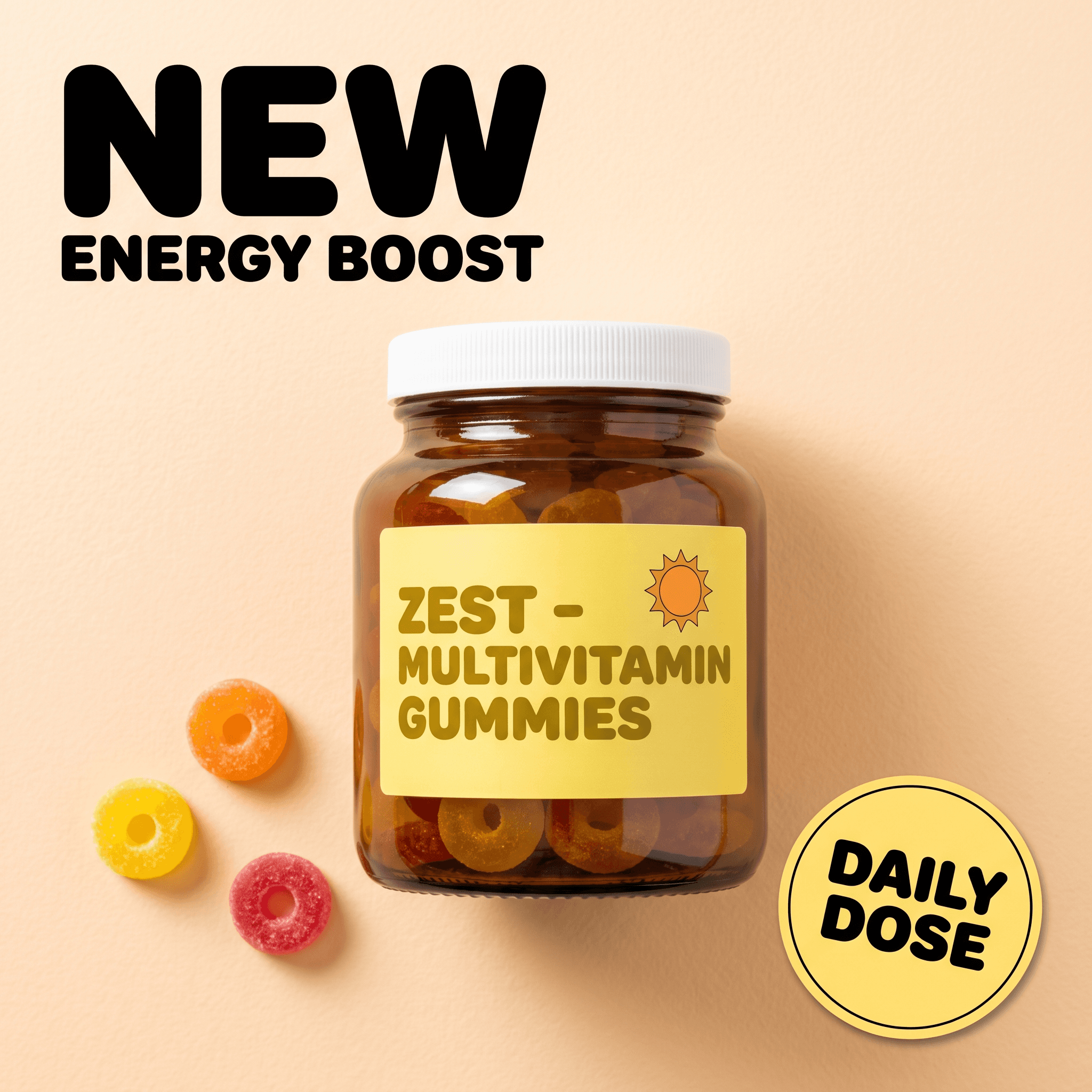
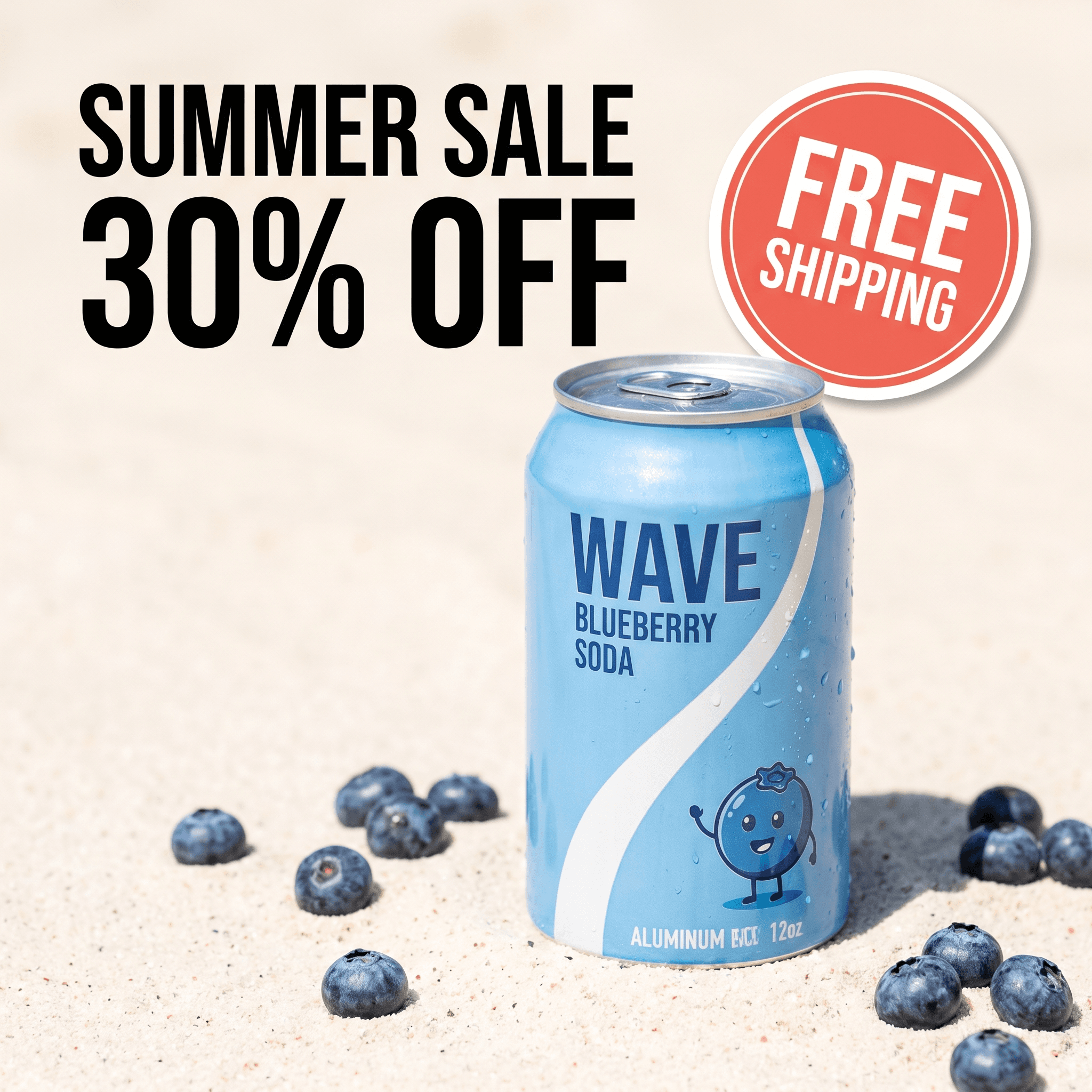
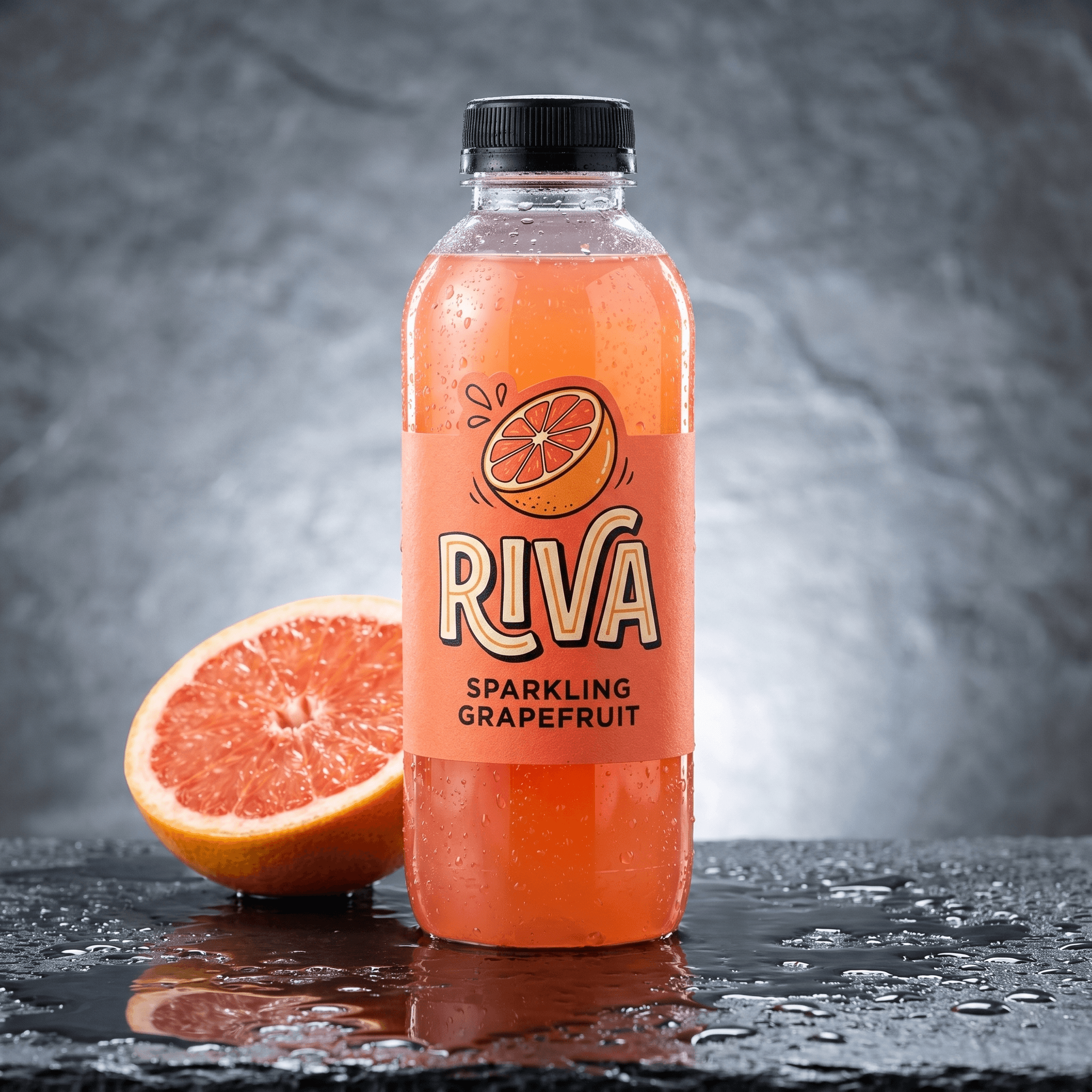
Six iteration spin-offs of one winning concept - same product, same hook angle, different scenes and layouts. Each is a fresh variant the algorithm reads as a new ad.
How Do You Iterate Facebook Ad Creatives After a Test?
A working iteration loop is four steps. None of them require new photography. The whole cycle - confirm winner, kill losers, generate spin-offs, push live - runs inside a working day.
Step 1: Confirm the winner with a hard cutoff
A winner is not a feeling. Set a cutoff in advance: 3,000 impressions per variant, then read CPA and CTR. Whichever variant beats target CPA by at least 15% AND shows CTR over 1.2% is the winner. Anything that does not clear both is killed in the same review. Do not let one metric's lead carry a creative that fails the other - statics with high CTR and bad CPA usually got clicks from the wrong audience.
Step 2: Decompose the winner into iteration levers
Break the winning ad into three parts: the hook (headline copy and angle), the visual (scene, lighting, layout), and the offer (price, guarantee, urgency). Each lever is one axis you can iterate. Pulling on one at a time keeps each spin-off close enough to inherit the winner's performance, far enough to register as new ad to the algorithm.
Step 3: Generate 8-12 spin-offs in one pass
Upload the source product photo once. Generate 4-6 new scenes that share the winner's mood but differ in surface, prop, or backdrop - marble swapped for slate, morning light swapped for afternoon, single product swapped for hero-plus-ingredient. Then run each through Pixair's Ad Maker to layer 2-3 headline variants on each scene. Six scenes x two headlines is 12 spin-offs from one upload, ready in under 30 minutes.
Step 4: Push spin-offs into the winner's ad set, not a new one
Drop the spin-offs into the same ad set that holds the winner. Meta's delivery system reads the new ads as variants of the active concept and rebalances impressions across them within 24-48 hours. Spinning up a fresh ad set restarts the learning phase and wastes 3-5 days of learning data. Iteration only works if the algorithm gets to compare the spin-offs against the live winner inside the same auction.
Static Refresh vs Creative Iteration: Cost and Velocity
Refreshing creative means rotating in fresh net-new ads on a schedule. Iteration means generating spin-offs of a known winner the moment a test reads. Different workflows, different costs, different outcomes on winner lifespan.
Refresh cycle only
New brief every 2-3 weeks, no winner spin-offs

Pixair AI iteration loop
Refresh cycle only
New brief every 2-3 weeks, no winner spin-offs
Pixair AI iteration loop
Winner lifespan in ad set
7 - 14 days
28 - 45 days
Spin-offs per winner
0 - 2
8 - 12
Time from confirmation to spin-offs live
14 - 21 days
Same day
Cost per spin-off batch
$300 - $1,200
Under $3 in credits
Source material per batch
New shoot or brief
Original product photo
Learning data continuity
Resets with new ad set
Stays inside winner ad set
Kill speed on losers
5 - 7 days
Under 48 hours
Which Iteration Patterns Scale a Winner Best?
Not every spin-off pattern works. These five are the ones that consistently inherit 65-80% of a winner's CTR on Meta accounts spending past $50K/month - they are the patterns to default to when you confirm a new winner.
- Same hook, new scene. Keep the headline copy identical. Change the background environment from marble to slate, from kitchen counter to bathroom shelf, from morning light to evening warm tones. The hook does the conversion work - the new scene just resets the algorithm's sense of novelty. This is the highest-yield spin-off pattern and the one to run first.
- Same scene, hook reframe. Keep the visual identical. Rewrite the headline to attack the same buyer from a different angle - if the winner said “3 ingredients,” spin off “no fillers,” “clean label,” “made in 30 seconds.” Same audience, same objection, different words.
- Crop and recompose. Take the winner's scene and zoom in on a detail - the label, an ingredient flat-lay, a half-pour. The narrower frame reads as a new ad even though every element is from the original generation. Works especially well for beverage, supplement, and skincare.
- Hero plus prop swap. Keep the product hero exactly as the winner. Swap one prop in the frame - a citrus slice for a sprig, a jade roller for a cotton pad, a glass for a ceramic cup. Subtle compositional change that rebuilds visual novelty without breaking the winning concept.
- Aspect ratio resurfacing. Take the winner's 4:5 and regenerate the same concept as 9:16 for Stories and Reels static slots (theInstagram Story ads generator guide covers the safe zone), and 1:1 for Audience Network feed. Different placements, different aspect ratios, same proven concept. Three placements x two scenes is six new ads from one winning angle, and it taps inventory the original ad was missing.
How Do You Run Facebook Ad Creative Iteration Well?
- Set the kill rule before the test launches. Write the cutoff in advance: impressions threshold, CTR floor, CPA ceiling. The moment a variant breaches any one, it dies. Without a written rule, every losing variant gets a “just one more day” argument and the iteration budget drains into ads that will never recover.
- Iterate inside 72 hours of winner confirmation. The window between a winner reading and frequency climbing past 2.5 is short. Block calendar time the same afternoon you confirm a winner - generate the spin-offs, queue them, push them live next morning. Past 72 hours, the winner is already losing room to breathe inside the ad set.
- Hold one lever constant per spin-off. If you change the hook AND the scene AND the offer on the same spin-off, you cannot tell why it lost. Same discipline as testing - one variable per variation. AI generation is cheap enough that you can finally afford to run clean single-lever spin-offs at volume.
- Track winner lifespan as a real KPI. Most accounts track CPA and ROAS. Few track how many days a winner stays profitable. Iteration shows up directly in this number - good iteration loops extend winners from 10 days to 30+ days. If your winner lifespan is not increasing month-over-month, your iteration loop is not working.
- Keep a winner library, not just an ad library. Tag every confirmed winner with its hook, scene treatment, and audience. When a future test surfaces a similar angle, you can re-spin from the original winner's source assets in minutes. This is what compounds - the second time you iterate a winner, you are pulling from a library of known spin-off patterns, not starting from zero. Pair the library with your static ad production pipeline so test batch and iteration batch share the same source material.
Ready to spin your next winner into a full batch? Start free with Pixair AI - 30 credits to generate your first iteration batch, no card required.

Frequently Asked Questions
Every time a winner reads. The trigger is the test result, not the calendar. On scaled accounts that means roughly once a week per ad set, because tests should be reading on a 5-7 day cycle. Calendar-based iteration on a fixed 2-week or monthly schedule misses the window - by the time you iterate, the winner has already fatigued.
Refresh means rotating in net-new ads on a schedule, regardless of what is winning. Iteration means generating spin-offs of a confirmed winner the moment it reads. Refresh keeps the ad set from going stale broadly; iteration extends the lifespan of a specific winning angle. Mature accounts run both - refresh for the ad set, iteration for individual winners inside it.
Iterate the winner with the highest CTR-to-CPA ratio first, not the highest absolute CTR or lowest absolute CPA. A 1.8% CTR ad with a $24 CPA on a $25 target has more headroom than a 2.4% CTR ad with a $30 CPA on the same target. The first one is profitable and proving it - that is the angle to extend.
Yes. The iteration loop does not require new design work because you are not creating new concepts - you are generating variants of one already-validated concept. Pixair AI generates 8-12 spin-offs from a single source photo in under 30 minutes: scene variations, headline variants, and aspect ratio exports for Meta and TikTok placements.
Iterated spin-offs land at 65-80% of the original winner's CTR on average. Net-new concepts have a much wider spread - roughly 1 in 5 net-new tests beats the current winner on DTC accounts. The economics favor iteration as the default and net-new as the long-horizon bet: iteration extends profitable angles, net-new finds the next one.
Keep reading
Related articles
AI Ad Creative A/B Testing: How to Test Variations Fast
AI ad creative A/B testing framework for DTC: isolate one variable, hit 3,000 impressions per cell, and generate 8 clean test variations in under 30 minutes.
Static Ad Creatives for Facebook: A 2026 DTC Guide
Static Facebook ad creatives that convert. Generate 30 product image ads in an hour from one photo - hooks, layouts, and platform sizes ready to launch.
Instagram Story Ads Generator: Make 9:16 Ads From 1 Photo
Instagram Story ads maker and generator in one: only 69% of a 1080x1920 frame is safe, so generate native 9:16 Story ads from one product photo for $0.18 each.