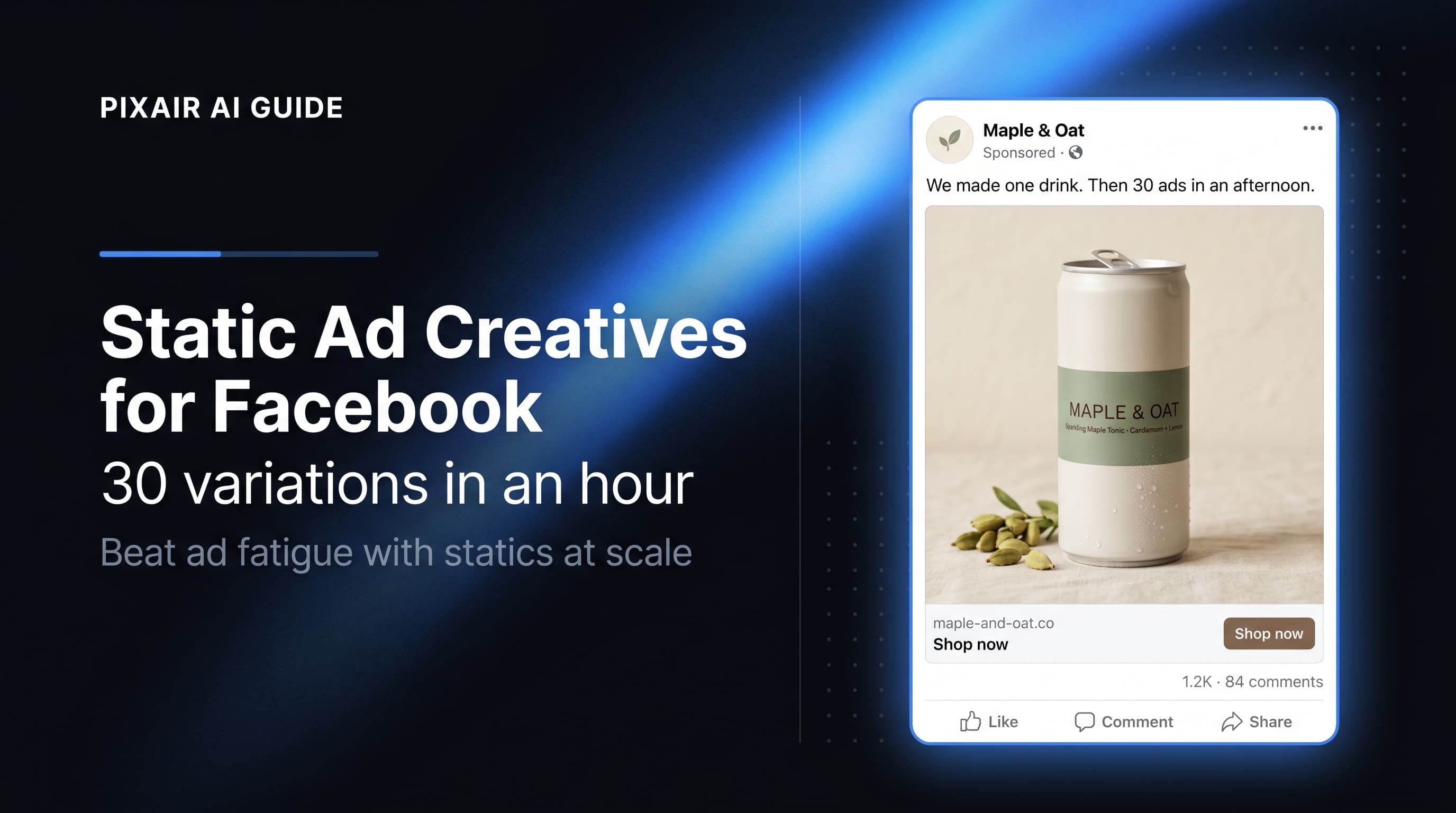
Static ad creatives for Facebook are single-image ads that run in the feed without video or carousel slots - the format DTC sellers use to test hooks, scale winners, and refresh creative before fatigue kicks in. The fastest way to produce them at volume is to start from a single product photo and generate 20-30 variations covering different angles, scenes, and headline hooks. With Pixair AI, the whole batch takes under an hour and costs less than $5 in credits, compared to $500-$2,000 and 1-2 weeks for a photographer-plus-designer workflow.
What Are Static Ad Creatives for Facebook?
A static Facebook ad is a single still image paired with primary text and a headline. It runs in the same feed placements as video and carousel - the difference is that it loads instantly, works on every device including low-bandwidth mobile, and gets read in under a second by the average scroller.
For DTC sellers, statics matter for three reasons: they are the cheapest format to produce at volume, they isolate one variable per test (hook, image, offer), and they survive longer in cold prospecting where attention drops off video creatives faster. Meta's own creative recommendations now flag accounts that ship fewer than 5 new statics per week as undersupplied relative to their spend tier.
Why Are Most DTC Brands Stuck Shipping 4 Ads a Month?
The Facebook creative gap is a production capacity problem, not a creativity problem. Most brands have one in-house designer or a freelancer on retainer, a monthly brief cycle, and a photographer engagement once a quarter. That setup ships 2-4 ads per month. Meta's algorithm rewards 10-30+ per month for accounts spending past $5K and 50-100+ per month past $25K spend.
Creative fatigue now hits in 7-14 days
On scaled prospecting campaigns, frequency climbs past 2 impressions per user per week inside two weeks. CPMs rise, CTR drops, and CPA inflates 35-45% on accounts that scale spend without scaling creative volume. The old assumption that a winning ad lasts a quarter is gone.
Testing requires 5-10 variations per concept
One hook, one image, one headline is not a test - it is a guess. To learn what works for a single product angle, you need 5-10 variations of that concept running together. Across 3-5 concepts per month, that is 15-50 statics minimum to maintain a learning velocity that beats the fatigue curve.
Top spenders ship 500+ variations monthly
Temu, Shein, and the largest DTC accounts run extreme creative velocity strategies - 500+ new statics per month, A/B tested in batches, with the bottom 80% killed inside a week. The competitive floor has moved. Even matching 10% of that volume puts a mid-sized brand in the top 10% of advertisers in its niche.
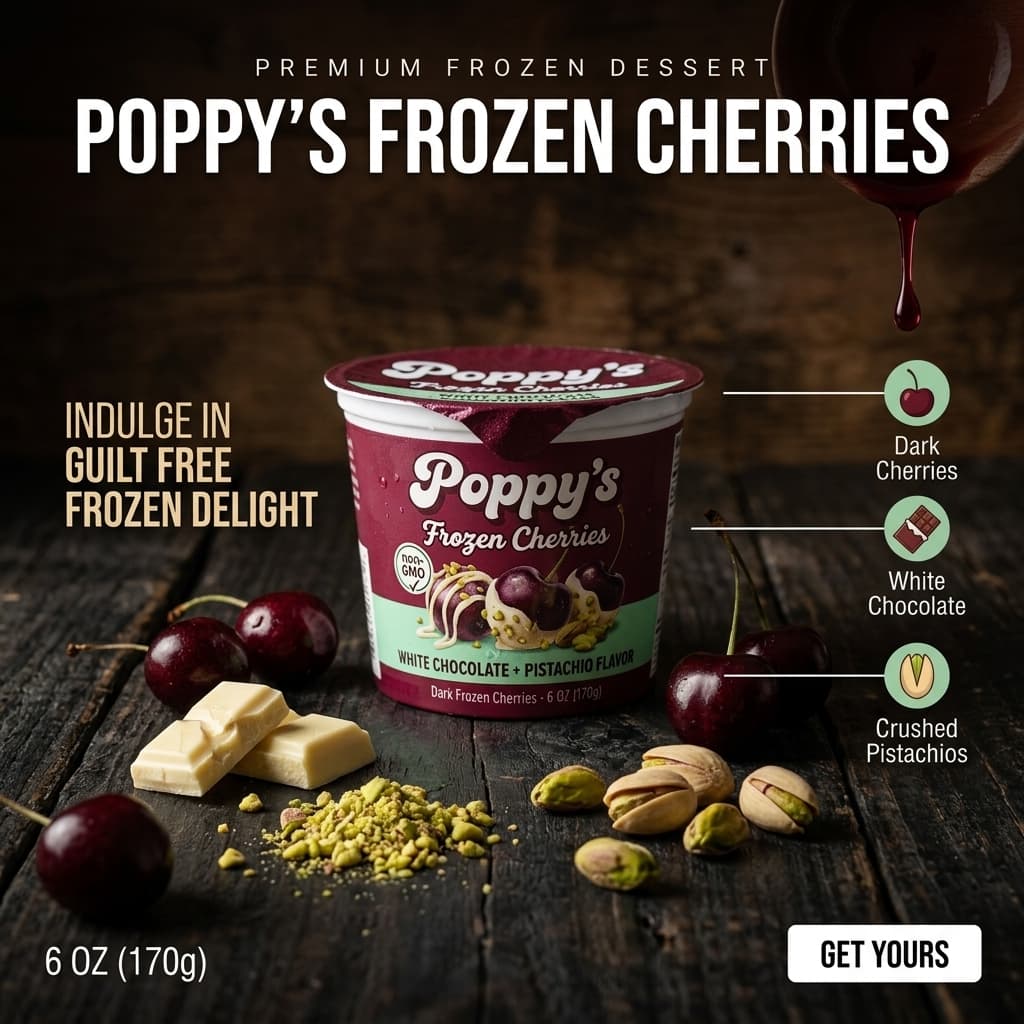
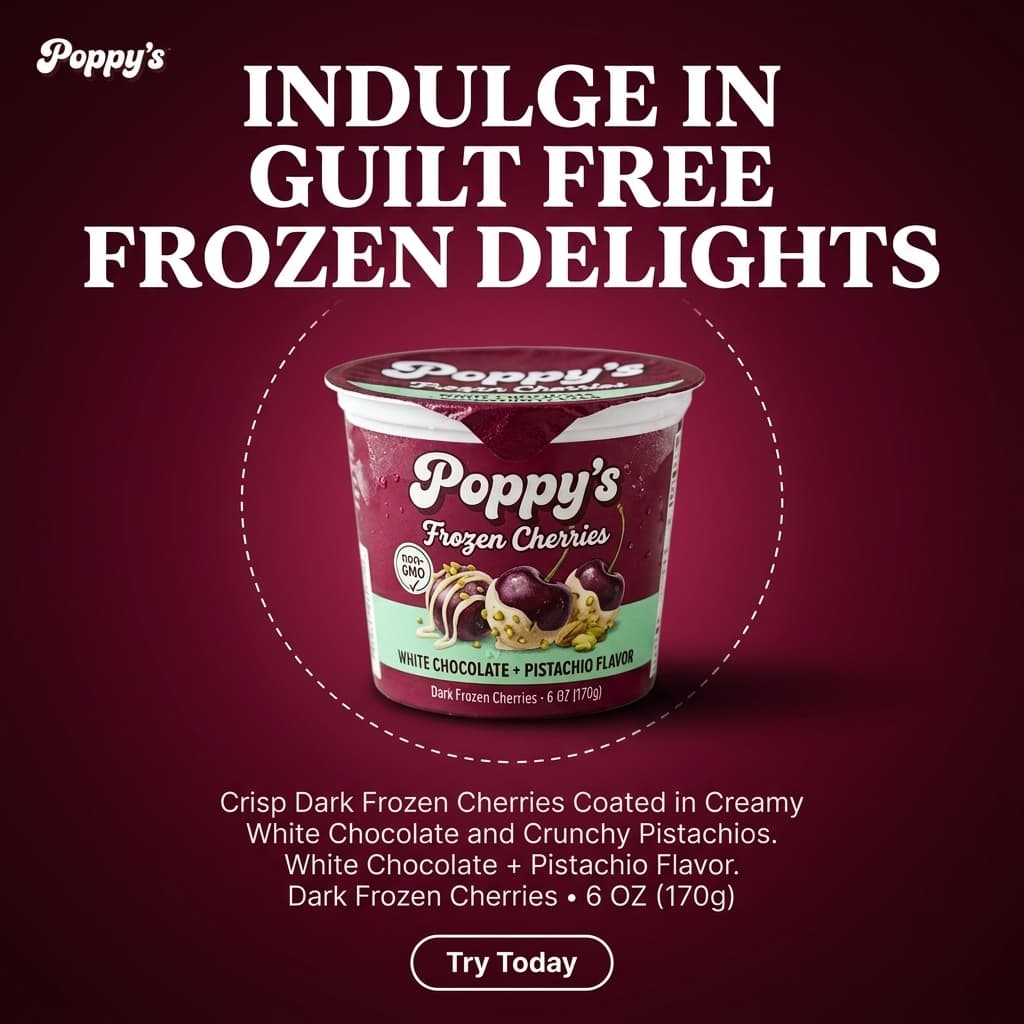

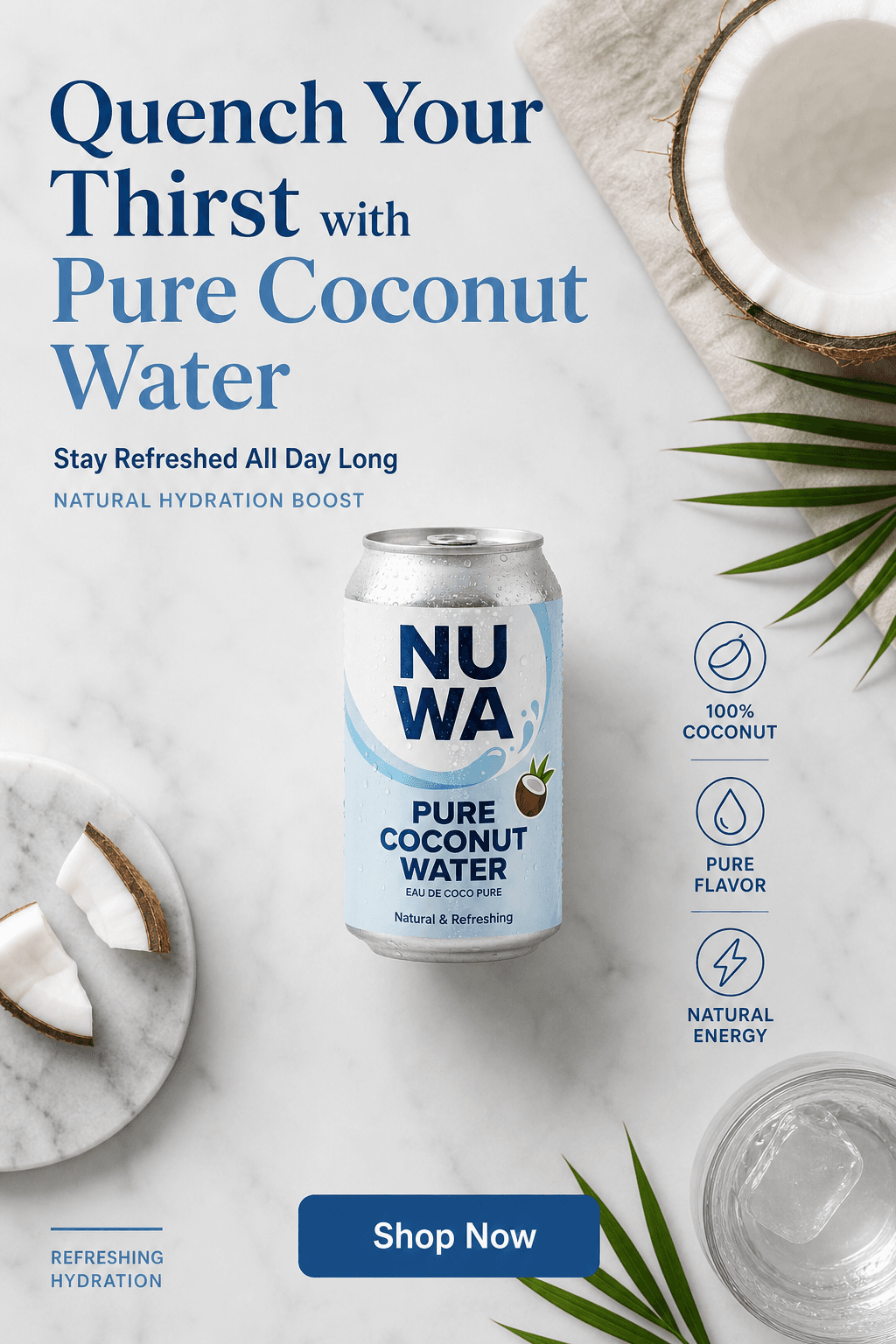
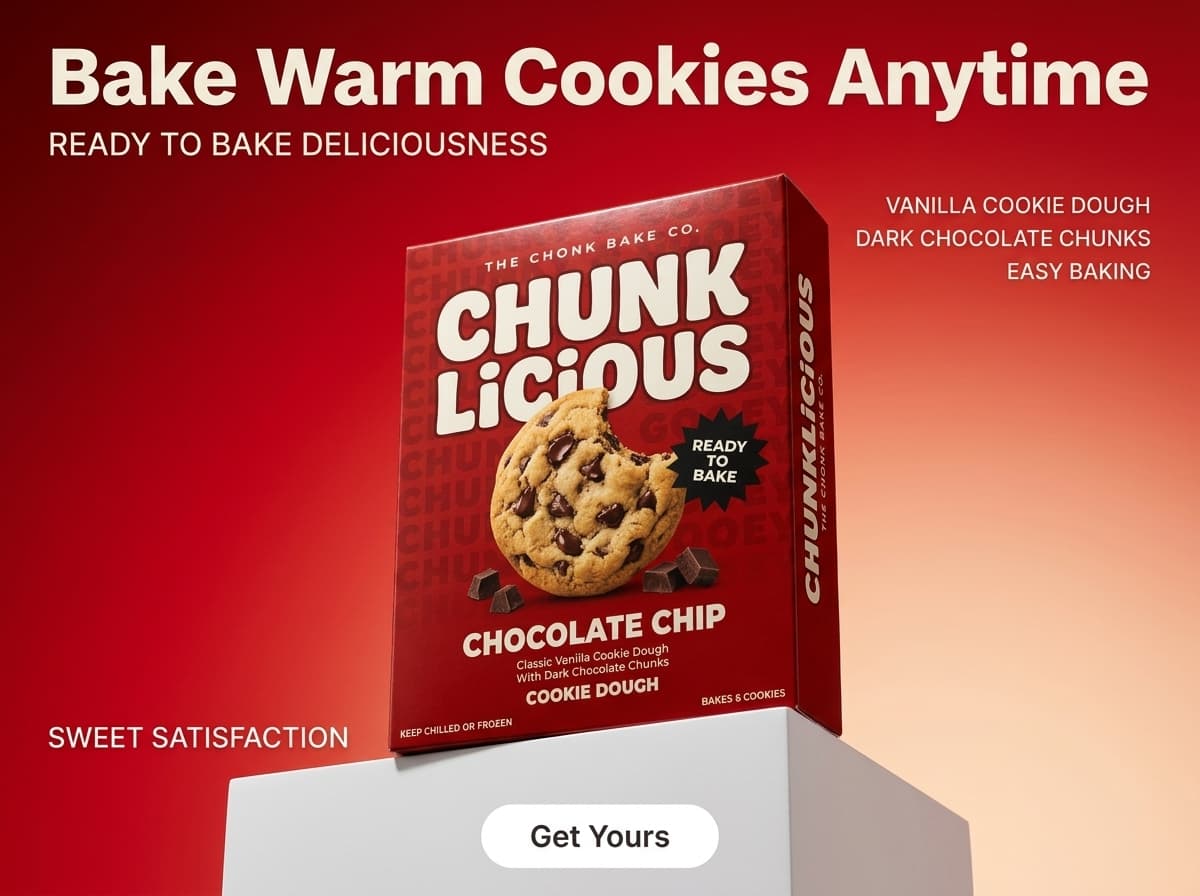
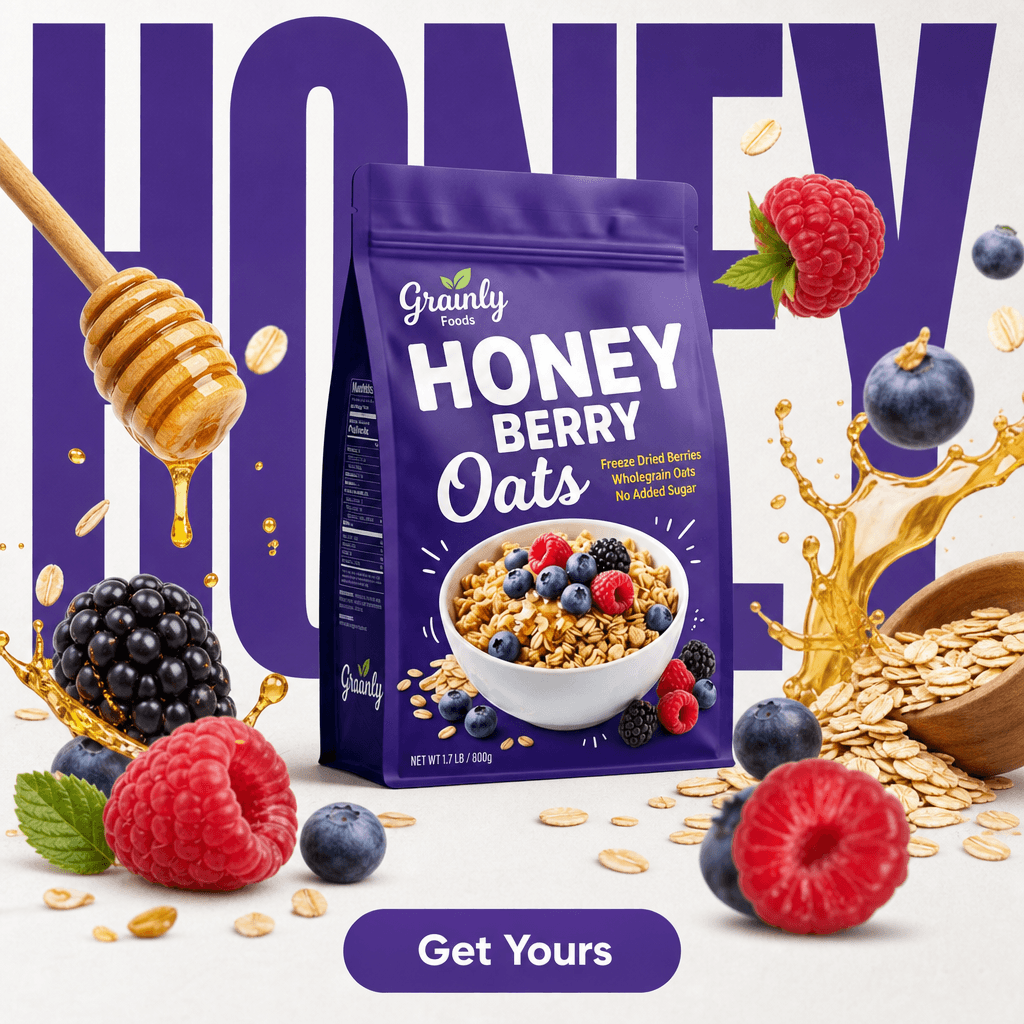
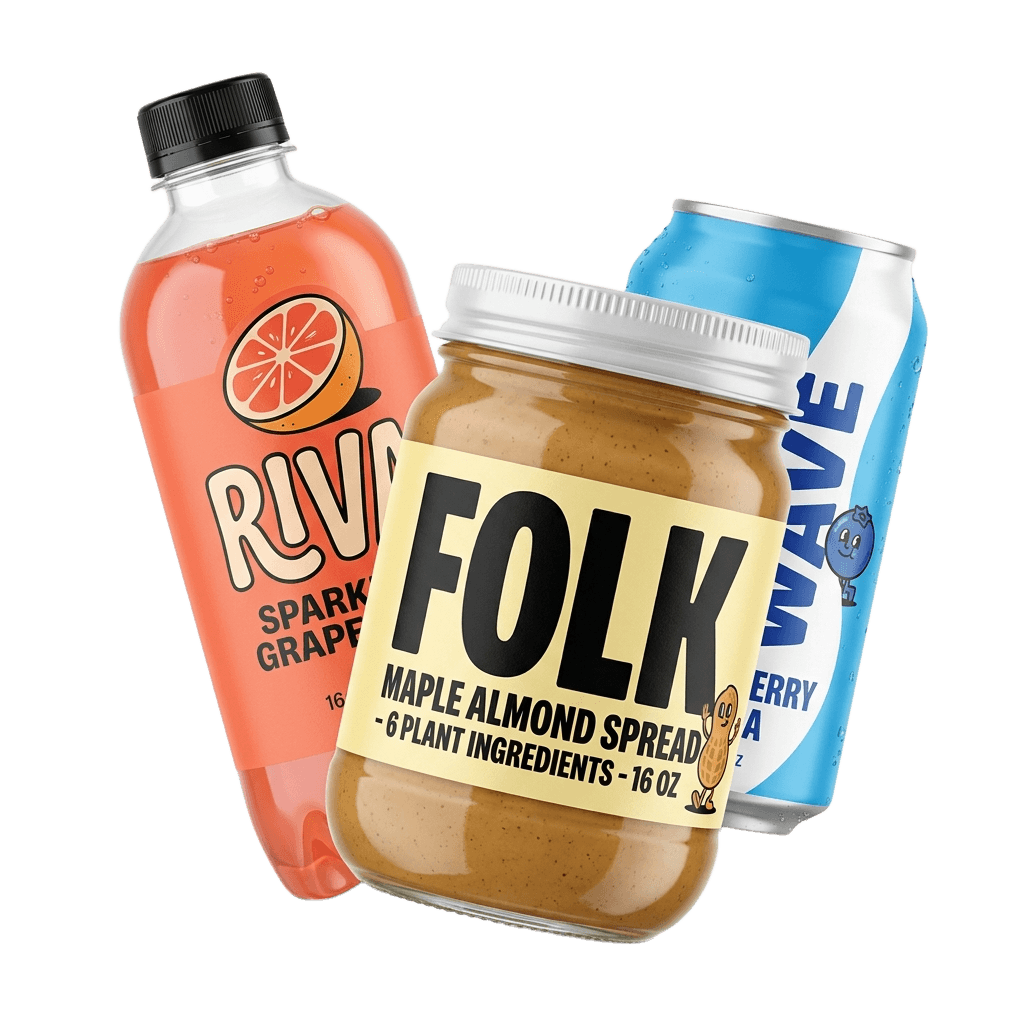
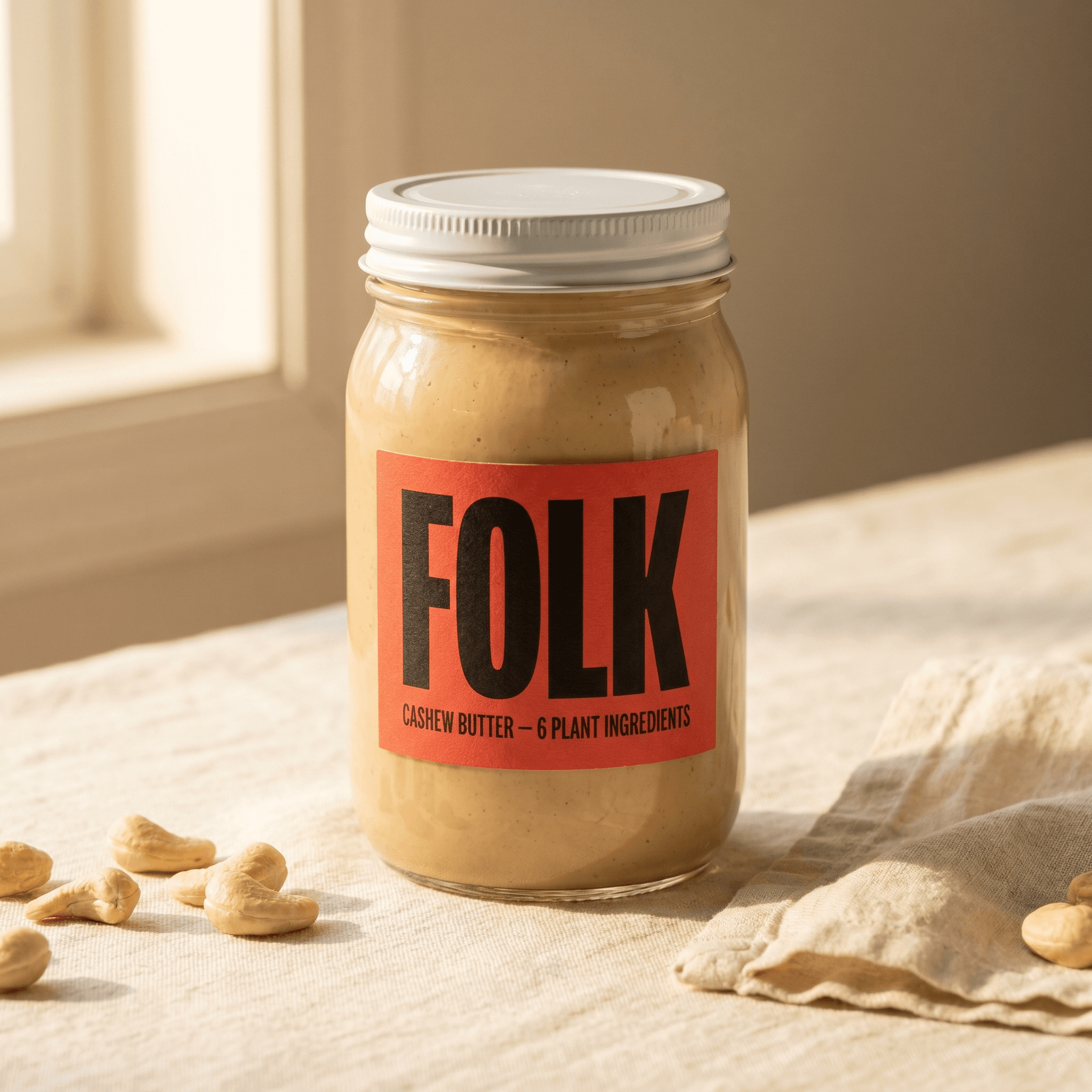
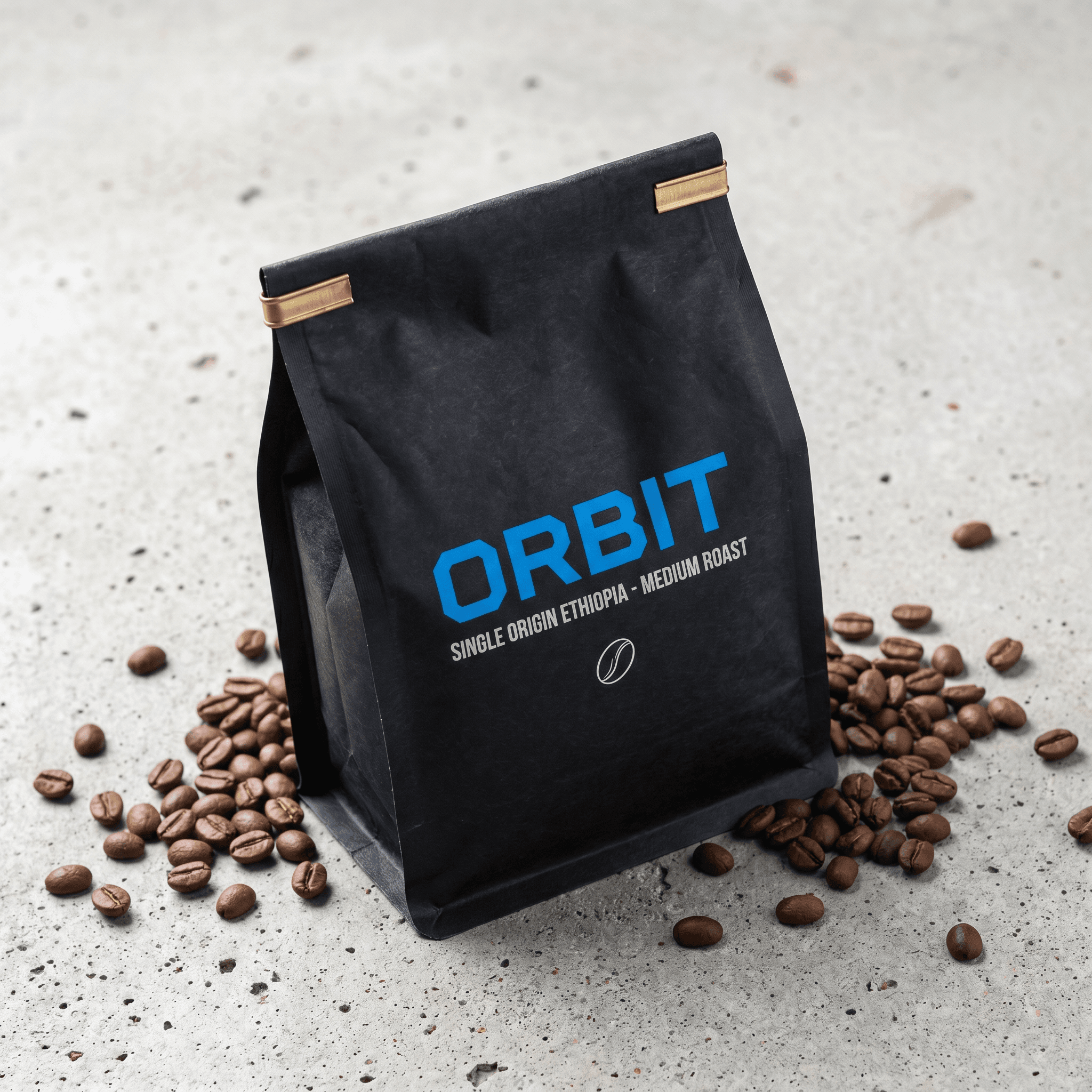
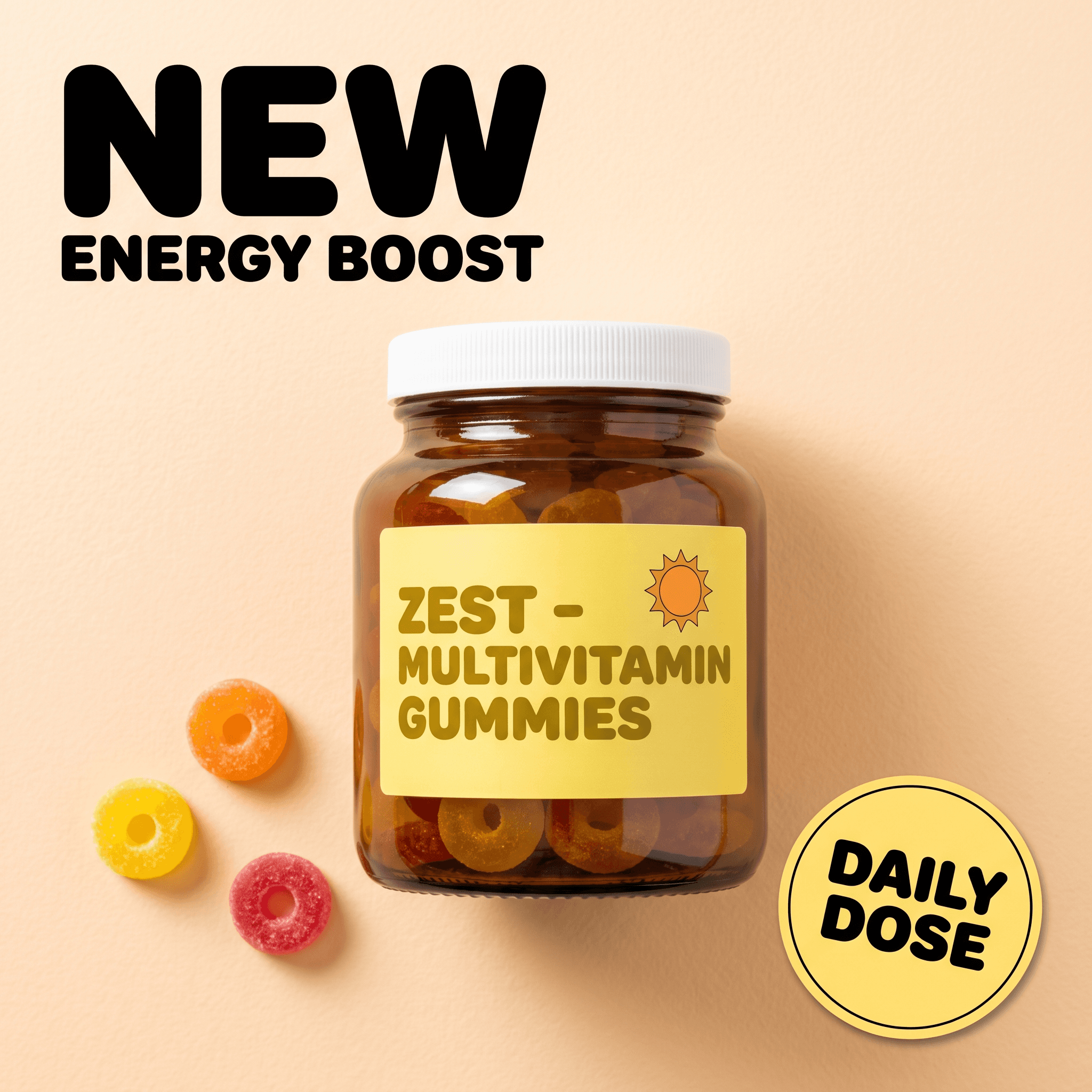
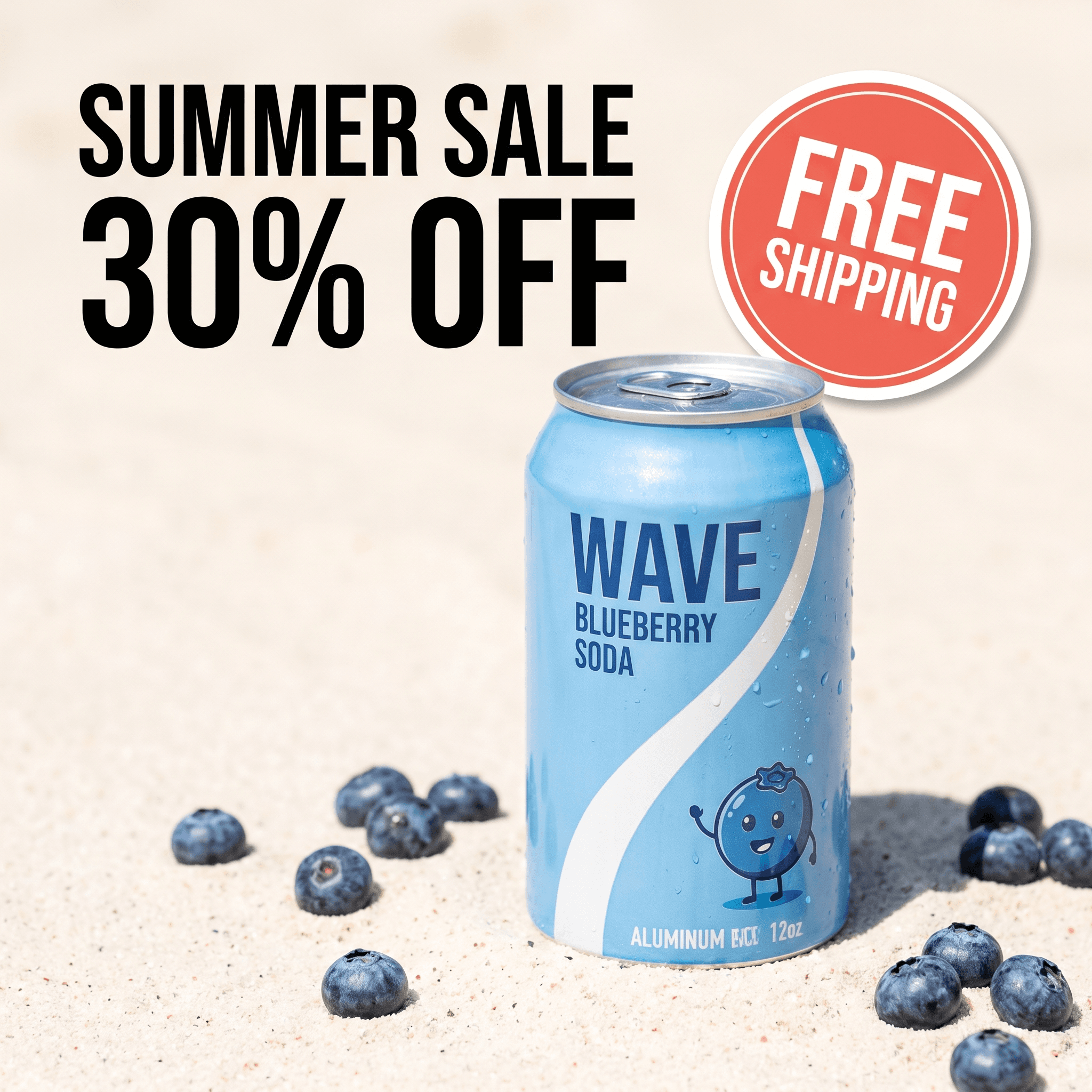
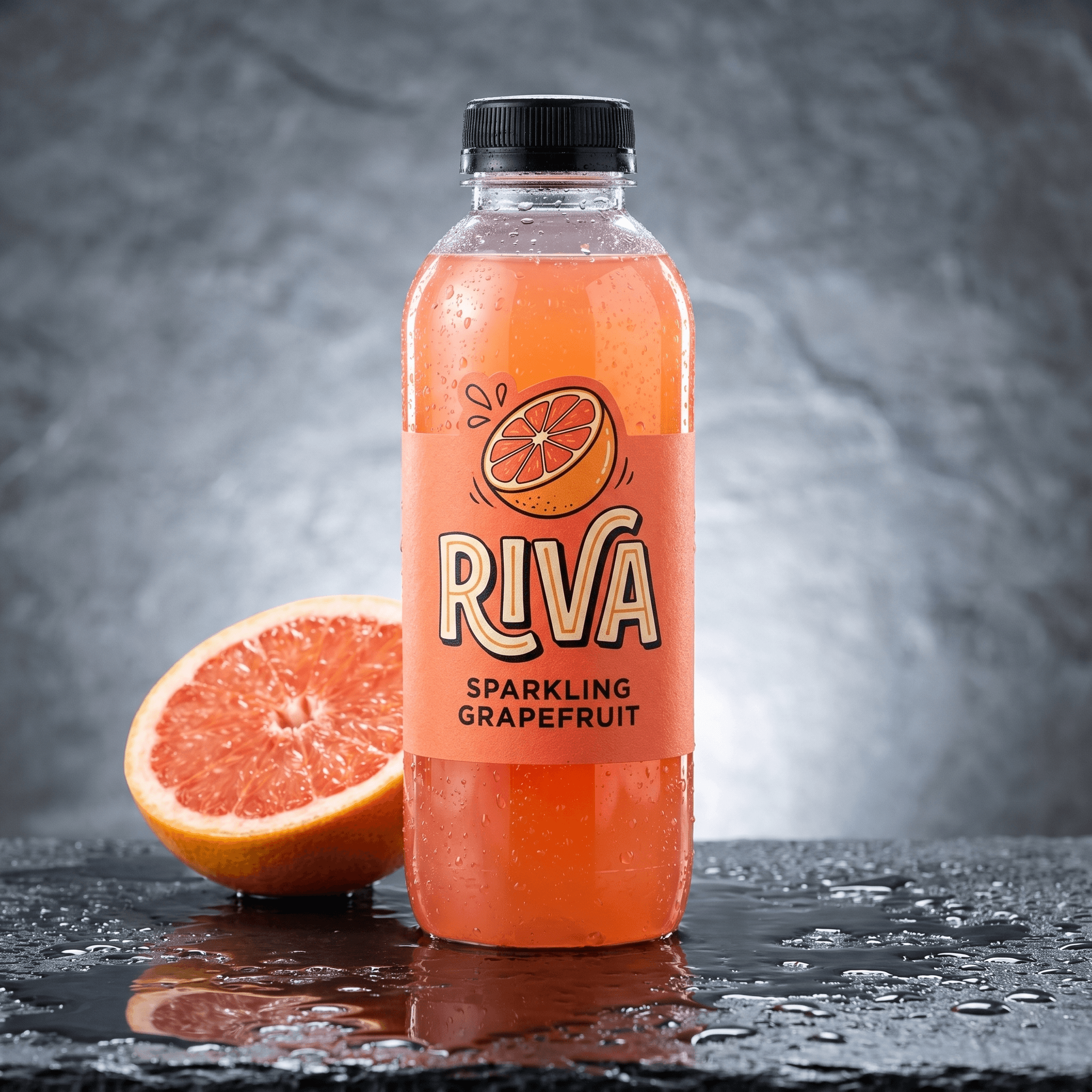
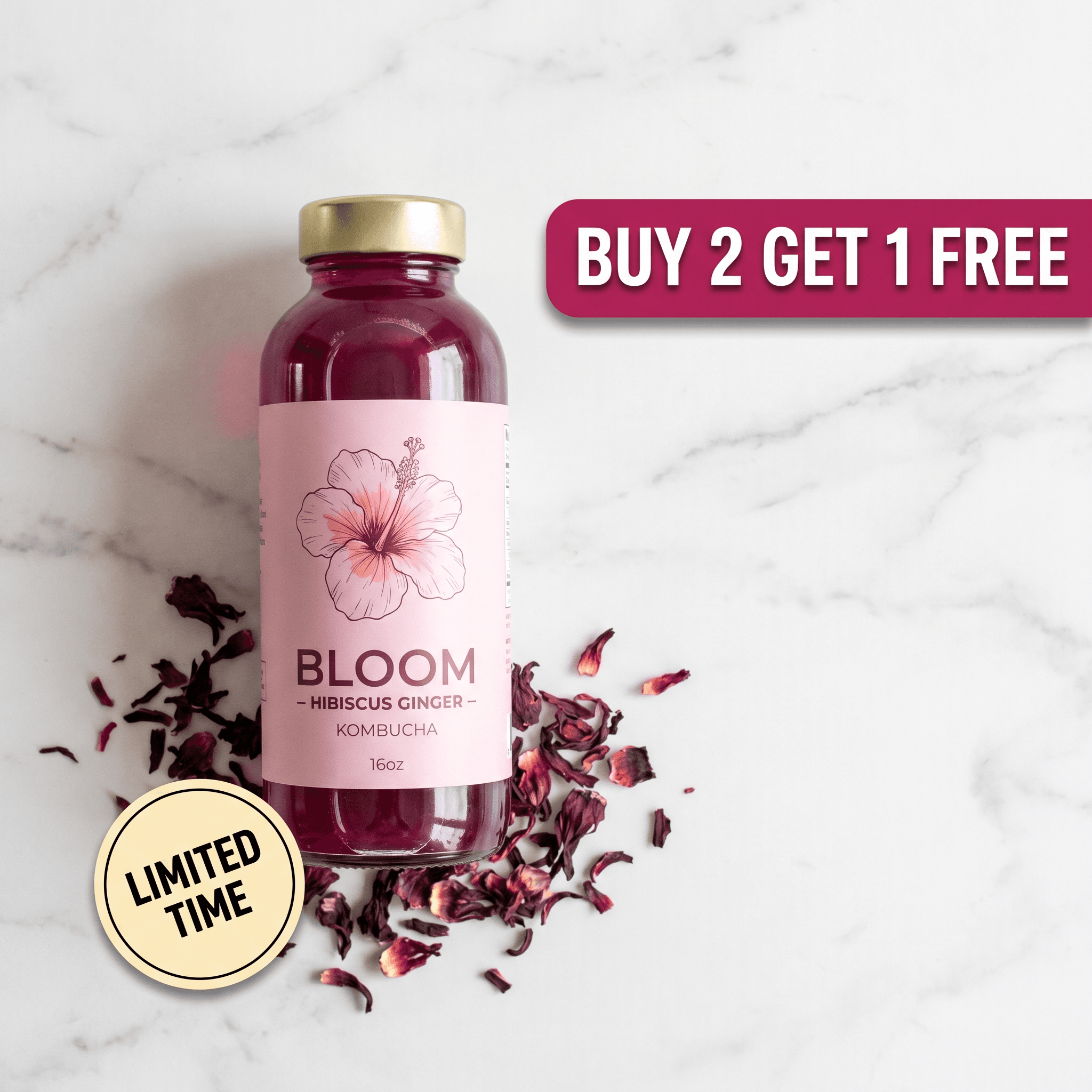
Six static ad creatives generated from one product photo - different layouts, hooks, and scene treatments. Each is a separate variant inside the same test batch.
How Do You Generate 30 Static Facebook Ad Creatives in an Hour?
The trick is not to make 30 ads from scratch - it is to make 6-8 distinct concepts and let AI produce the variations for each. Here is the workflow that compresses a 2-week designer cycle into a single working session.
Step 1: Upload one clean product photo
Start with a single front-facing shot of your product on a plain background. A smartphone photo in good window light is enough. Pixair AI removes the background and isolates your product with the label, logo, and packaging text pixel-accurate - none of those elements are regenerated, so your brand stays consistent across every variation.
Step 2: Generate 4-6 scene variations per concept
Pick one concept - for example, “morning routine.” Generate 4-6 scene variations for it: marble countertop with diffused window light, dark slate with cool rim light, wood surface with warm tones, white studio with hard shadow, lifestyle bathroom shot, ingredient flat-lay. Each generation costs 4 credits and takes under 60 seconds. Six scenes per concept across five concepts gives you 30 base images.
Step 3: Add headline hooks with Ad Maker
For each scene, run it through Pixair's Ad Maker to add typography. The AI reads your product label directly - brand name, product name, key ingredient or claim - and writes headline copy from what is actually on the packaging. No brief, no copy form. You pick the layout style (Light Ad for ingredient stories, Dark Ad for brand-forward looks) and the AI composes the headline, subhead, and benefit callout.
Step 4: Export in Facebook ad sizes
Facebook's ad placements need different aspect ratios: 1:1 for feed, 4:5 for vertical feed (the dominant mobile placement), and 9:16 for Stories and Reels static slots (see theInstagram Story ads generator guide for the 9:16 safe zone). Pixair AI outputs all five aspect ratios from one generation - the layout adjusts automatically so the product stays centered and the headline reflows for each frame. No cropping, no manual rework.
Static Ad Production: Traditional Workflow vs Pixair AI
Here is what a 30-ad batch looks like in each workflow. The cost gap is the obvious one - the time gap is the one that actually moves campaign performance.
Photographer + Designer
Studio shoot, Photoshop, copywriter, exports

Pixair AI static ad pipeline
Photographer + Designer
Studio shoot, Photoshop, copywriter, exports
Pixair AI static ad pipeline
Cost for 30 static ads
$500 - $2,000
Under $5 in credits
Time to launch
7 - 14 days
Under 60 minutes
Source material needed
New photoshoot per concept
One product photo
Concept variations
1 - 2 per shoot
6 - 8 per upload
Headline copy
Brief + copywriter round
Auto-written from label
Aspect ratio exports
Manual crop per format
5 ratios from one generation
Iteration speed
New brief + revision cycle
Regenerate in 60 seconds
Which Static Ad Hook Formats Work on Facebook in 2026?
A static ad has under one second to land. The image and the headline have to hit the brain at the same time. These five hook formats account for the majority of high-CTR static creatives in DTC accounts spending past $50K/month on Meta.
- Before / after split. The frame is divided in half - the product or result on the right, the problem on the left. Works for skincare, supplements, cleaning products, organization products. Eye reads the contrast in milliseconds.
- Named customer hook. Headline calls out a specific buyer (“For founders who skip lunch,” “If you wear contacts in dry climates”). Filters non-buyers immediately and signals to the right person that this is for them.
- Numbered claim. A specific number in the headline - “3 ingredients,” “60-day money back,” “14 hours of energy.” Specific numbers outperform vague claims by 2-3x on CTR in DTC categories.
- Ingredient story. The product sits with real ingredients placed around it - fruit slices, plant cuttings, raw materials. Works for food, beverage, supplements, skincare. Triggers sensory associations the product photo alone cannot. For beverage-style splash compositions, the same effect is achievable with dynamic product ads using AI hero burst layouts.
- Problem / solution. Two-line headline structure - line one names the problem, line two introduces the product. “Tired by 3pm? This changes that.” Works for any category where the buyer recognizes the pain instantly.
How Do You Run Facebook Static Ads Well?
- Design for the 4:5 vertical, not the 1:1 square. Over 90% of Facebook ad impressions are mobile and the dominant feed format is now 4:5 - it fills more of the screen than 1:1 and beats it on CTR. Generate 4:5 first, then export the 1:1 and 9:16 as secondary formats.
- Keep on-image text under 20% of the frame. Facebook removed the hard rule in 2020 but the underlying delivery preference is still intact - heavy-text statics get lower reach and higher CPMs. Pixair's Ad Maker layouts stay under the 20% threshold by default.
- Refresh every 7-14 days on scaled ad sets. Track frequency in Ads Manager. When it crosses 2.5 on a cold prospecting set, swap in fresh statics from your backlog. This is why the 30-per-batch workflow matters - you need a backlog to draw from, not a scramble for net-new.
- Match the static visual to the landing page. Click-to-conversion drops sharply when the ad image and the landing hero image look unrelated. Use the same scene treatment (same surface, same lighting, same prop palette) on your static ad as on your product page hero. Consistency increases on-page conversion 10-20%.
- Test one variable at a time. When testing 5-10 variations of a concept, hold everything constant except one element - headline only, or image only, or offer only. Otherwise you cannot read which lever moved the result. AI generation is cheap enough that single-variable testing is finally practical.
Ready to build your static ad backlog? Start free with Pixair AI - 30 credits to generate your first batch with no card required.
Frequently Asked Questions
For accounts spending under $5K/month, 5-10 new statics per month is the floor. At $5K-$25K spend, plan for 15-30 per month. Past $25K spend, 50-100+ per month is what high-performing accounts ship. Below those volumes, creative fatigue outpaces your refresh rate and CPA climbs within 14 days.
Facebook feed supports 1:1 (1080x1080), 4:5 (1080x1350), and 9:16 (1080x1920 for Stories). The 4:5 vertical is the dominant feed format on mobile and the one to design for first. Pixair AI exports all three aspect ratios from a single generation so you cover every placement without manual cropping.
Yes. Meta permits AI-generated ad creatives provided they accurately represent the product, do not use deceptive imagery, and follow standard ad content rules. Pixair AI preserves the original product label and packaging exactly - only the scene and ad layout are generated. The white-background and lifestyle outputs comply with Meta and Google Shopping ad policies.
Cross-posting a 1:1 static between Facebook feed and Instagram feed works fine - they share the same placement format. For Instagram Stories and TikTok, switch to the 9:16 export. Pixair AI generates all aspect ratios from one upload, so the same concept runs across every Meta placement plus TikTok with no rework.
A static is a single image; a video plays a sequence of frames. Statics load instantly, work on all bandwidths, and isolate one variable per test. Videos can show product use and movement but cost more to produce, take longer to test, and lose viewer attention faster on cold traffic. Most DTC accounts run a mix - statics for cold prospecting and video for retargeting.
Yes. Pixair AI reads your product label directly - brand name, product name, ingredient list, claims, and any tagline - and writes the headline, subhead, and benefit callout from what is printed on your packaging. No copy brief required. You pick the layout style and the AI composes ad copy specific to your actual product.
Keep reading
Related articles
Instagram Story Ads Generator: Make 9:16 Ads From 1 Photo
Instagram Story ads maker and generator in one: only 69% of a 1080x1920 frame is safe, so generate native 9:16 Story ads from one product photo for $0.18 each.
Ad Creatives for Shopify Stores: The Complete AI Guide
Turn your Shopify product photos into 20+ ad creatives in under an hour. A complete guide to AI ad creatives for Shopify stores - Meta, TikTok, and Google ready.
AI Instagram Ad Creatives Generator: 20+ Ads From 1 Photo
Turn one product photo into 20+ Instagram feed, Explore and Reels ad creatives in 4:5, 1:1 and 9:16. Skip the designer and test more variations for $0.18 each.