AI ad creative A/B testing is the practice of generating multiple versions of an ad that differ by exactly one element - scene, headline, product angle, or layout - then running them against the same audience until one reaches a statistically meaningful win. The discipline is not the testing; it is the isolation. With Pixair AI, you can generate a clean test matrix of 8 single-variable variations from one product photo in under 30 minutes, so every cell in the test changes one thing and only one thing - which is the only way the result actually tells you something.
What Is AI Ad Creative A/B Testing?
An A/B test on ad creative isolates one variable across two or more versions of the same ad and serves them to a comparable audience to learn which version drives a lower cost per result. The “AI” part is the production side: instead of briefing a designer for each variant, you generate the variations - new scene, new headline, new crop - from a single source asset in minutes, which is what makes clean single-variable testing affordable at volume.
The distinction that trips most teams up: A/B testing is not the same as iterating a winner. Testing is how you find which concept works. Iteration is what you do after the test reads, to extend the winner's life. A test changes one variable to learn; iteration changes one variable to scale. Same production engine, opposite goals - and running them as if they were the same workflow is why a lot of accounts test constantly and learn nothing.
Why Do Most Creative A/B Tests Produce No Usable Signal?
Most DTC creative tests fail before they launch - not because the creative is bad, but because the test design makes the result unreadable. Three problems show up over and over.
Variants change more than one thing
The designer ships two ads that differ in headline, background, product angle, and color grade all at once. One wins. You have no idea why - so you cannot reproduce it. A test that changes four things is not a test, it is a coin flip with extra steps. Clean single-variable cells are the entire point, and they are exactly what manual production cannot afford to produce at volume.
Tests get called before significance
A variant pulls ahead after 600 impressions and the team declares a winner. At that sample size the gap is noise - run the same test again and the other variant “wins.” Creative A/B tests need roughly 3,000-4,000 impressions and at least 50 link clicks per variant before CTR and CPC stabilize enough to read. Called early, you are scaling random variance.
There are not enough variants to find a real lift
Testing two ads at a time means you are sampling a tiny slice of the concept space. Top accounts run 6-10 creative cells per test cycle because the win rate on any single new concept is roughly 1 in 5. Test two, and four out of five cycles return nothing better than what you already run. Volume is not optional - it is how you buy enough lottery tickets to hit a winner.
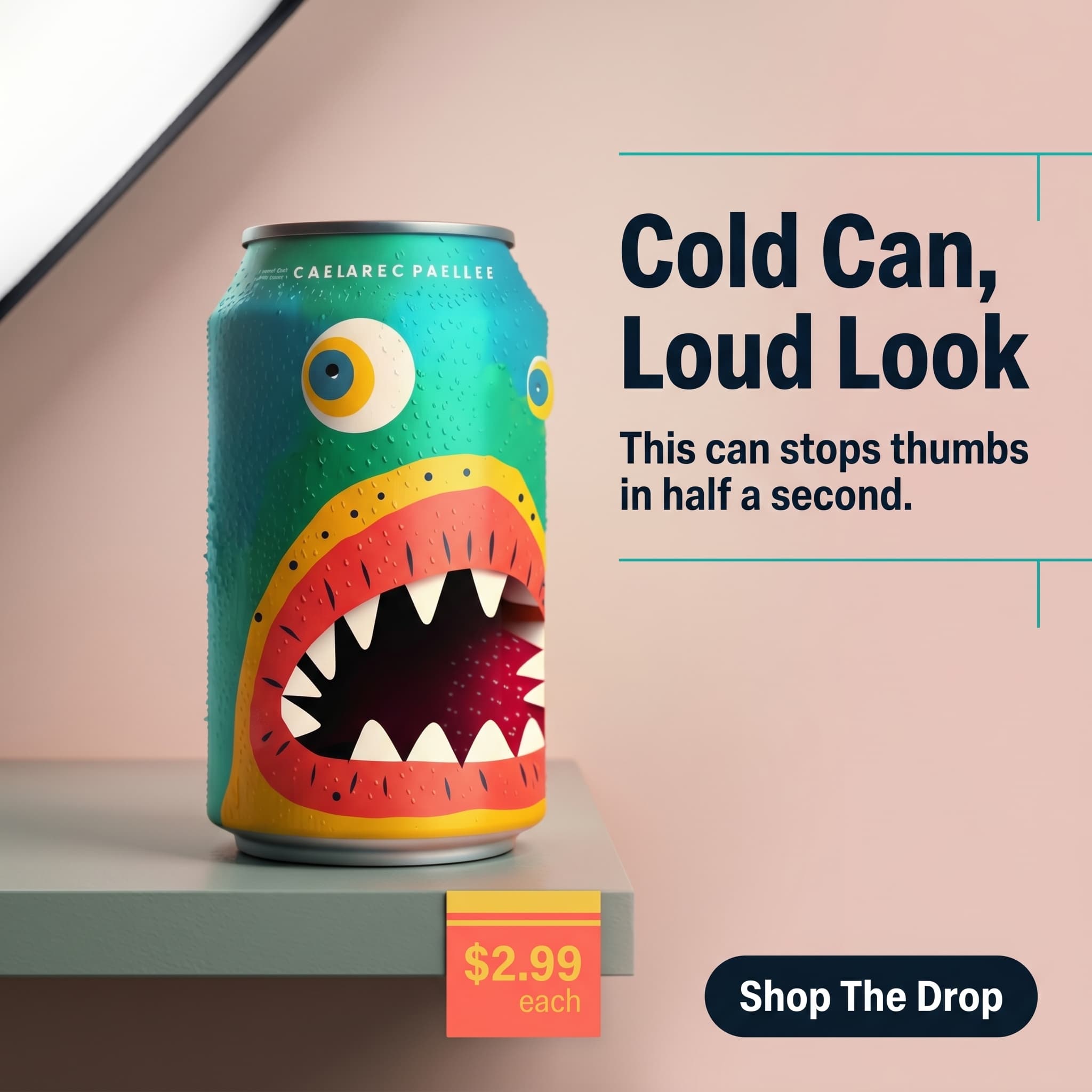
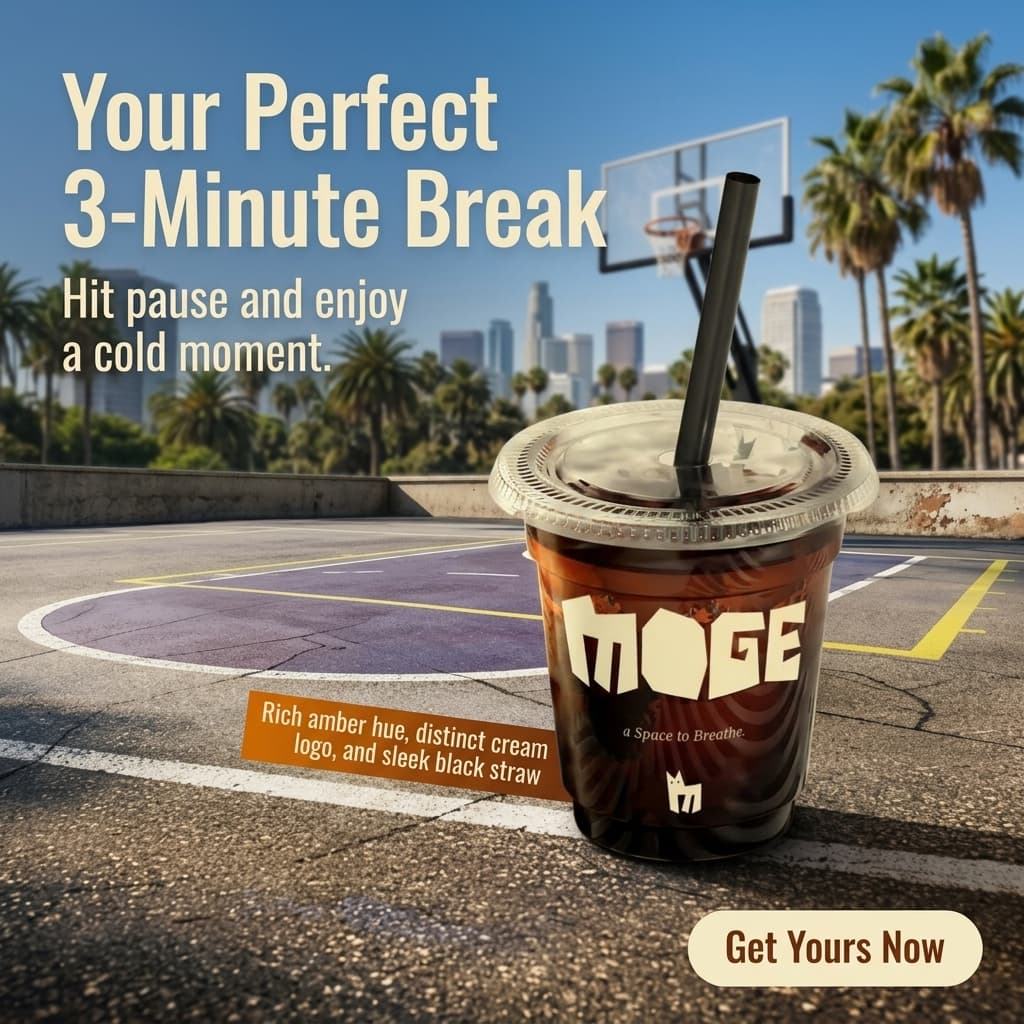
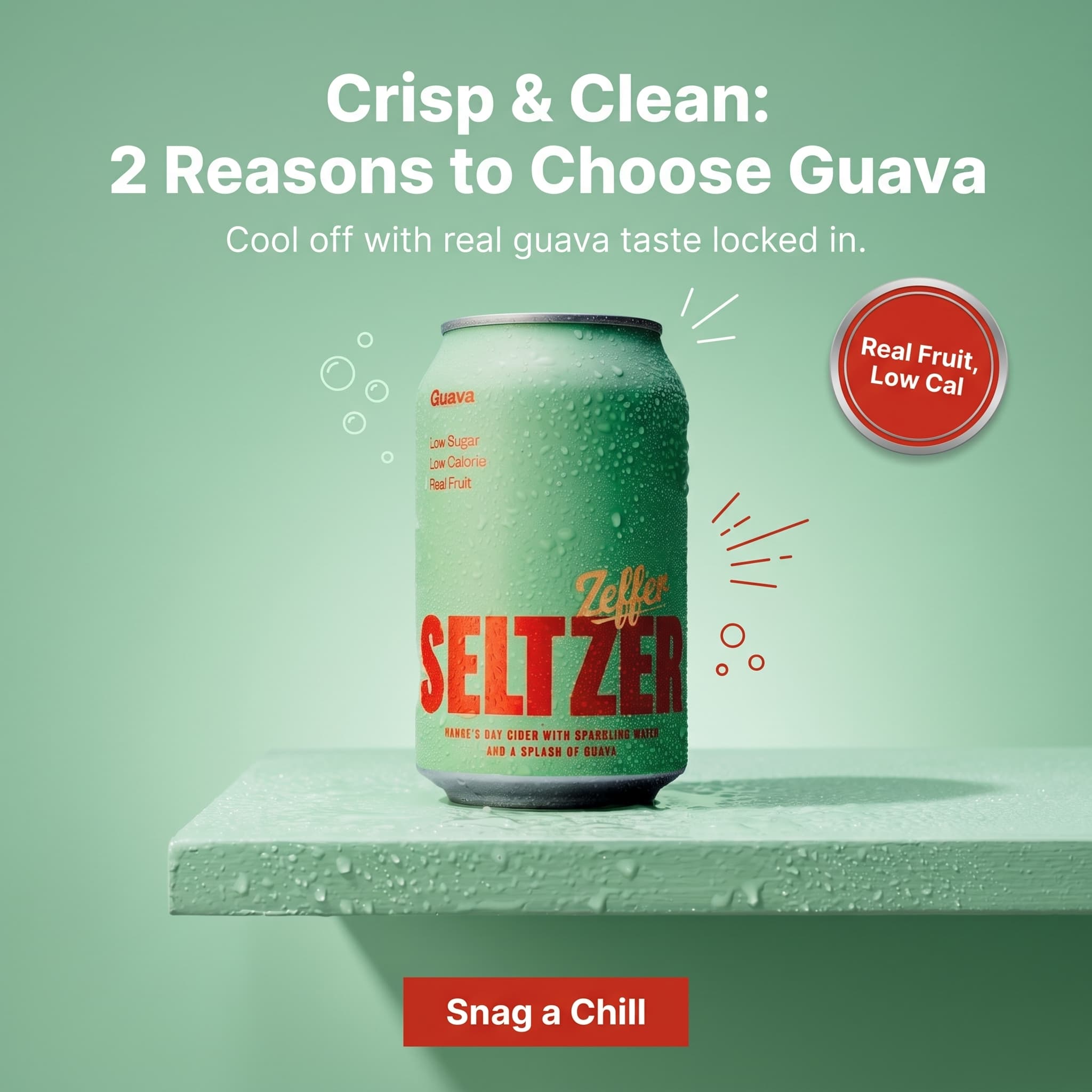
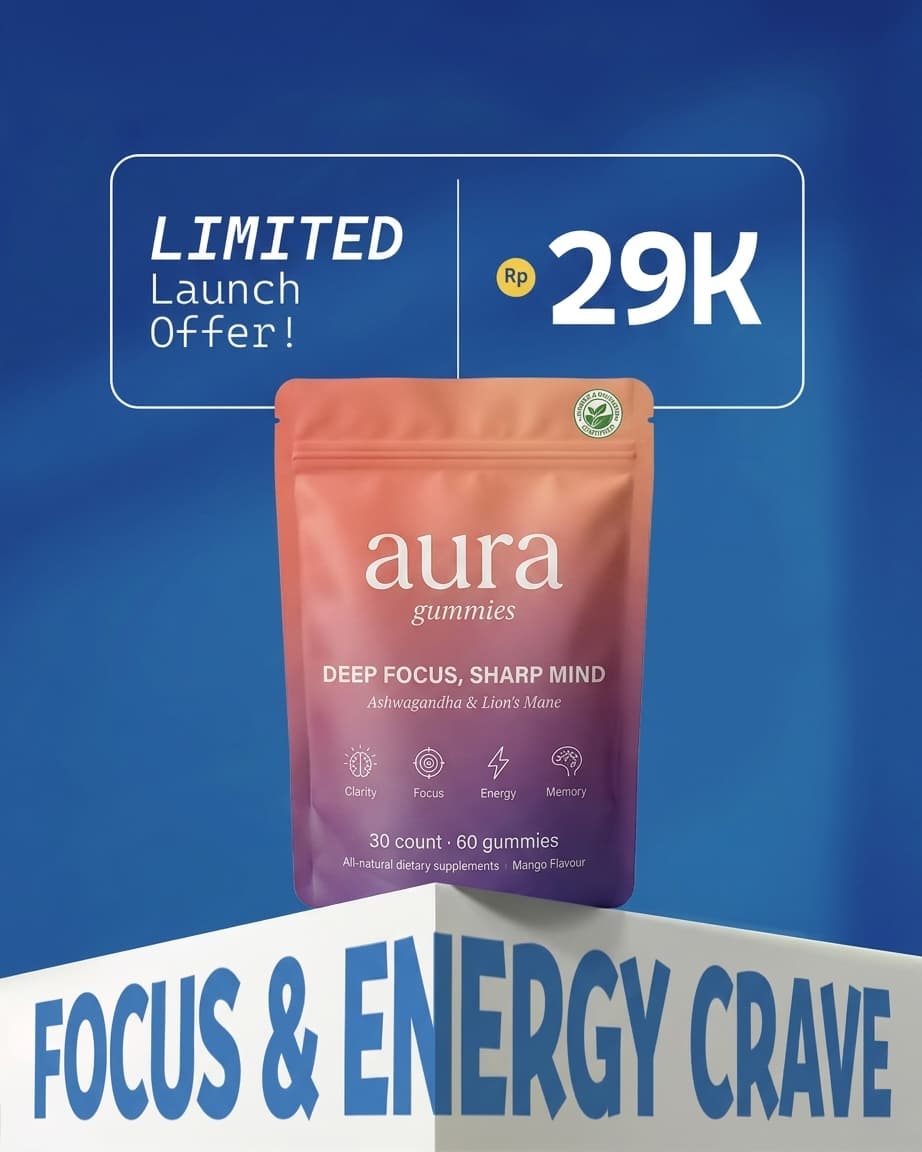
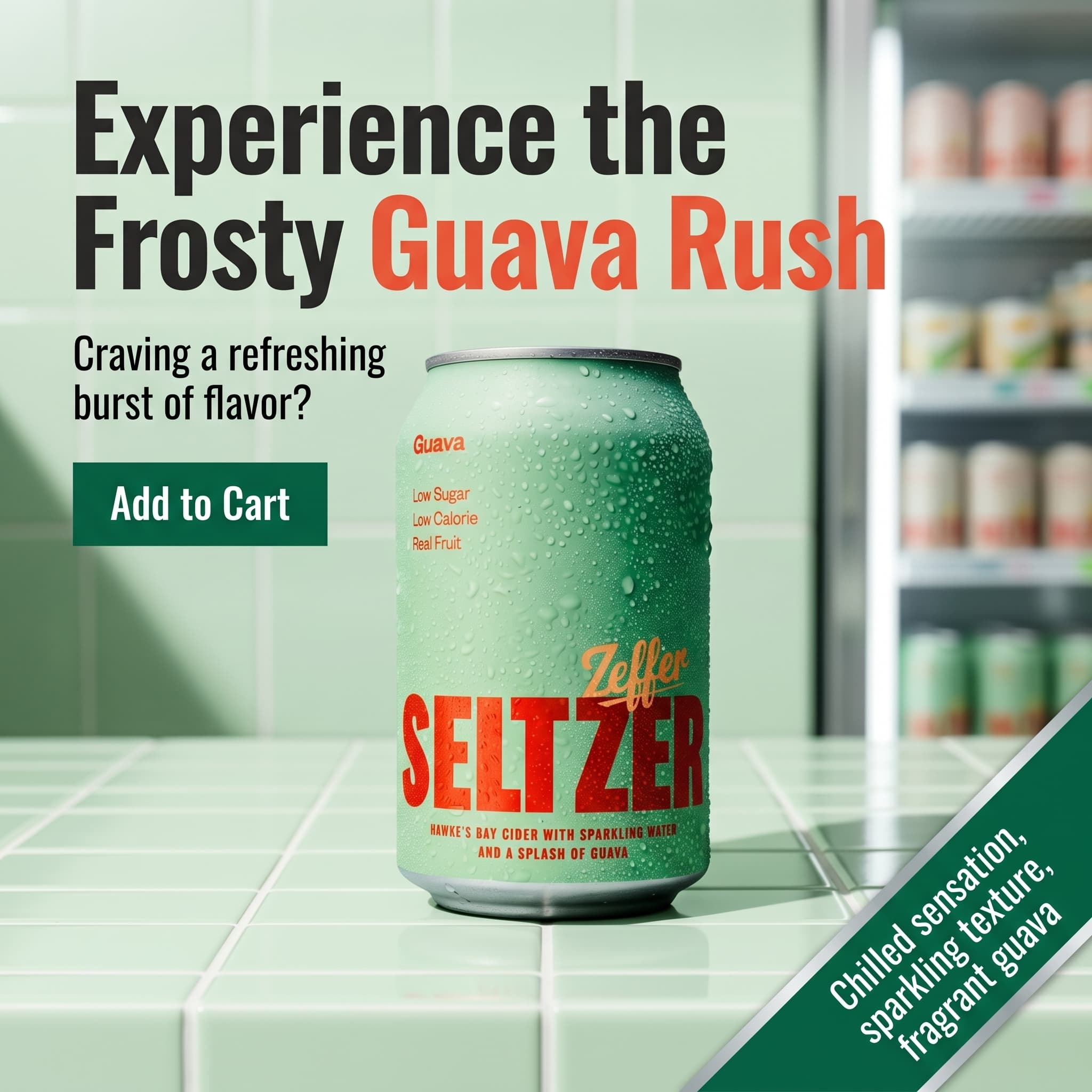

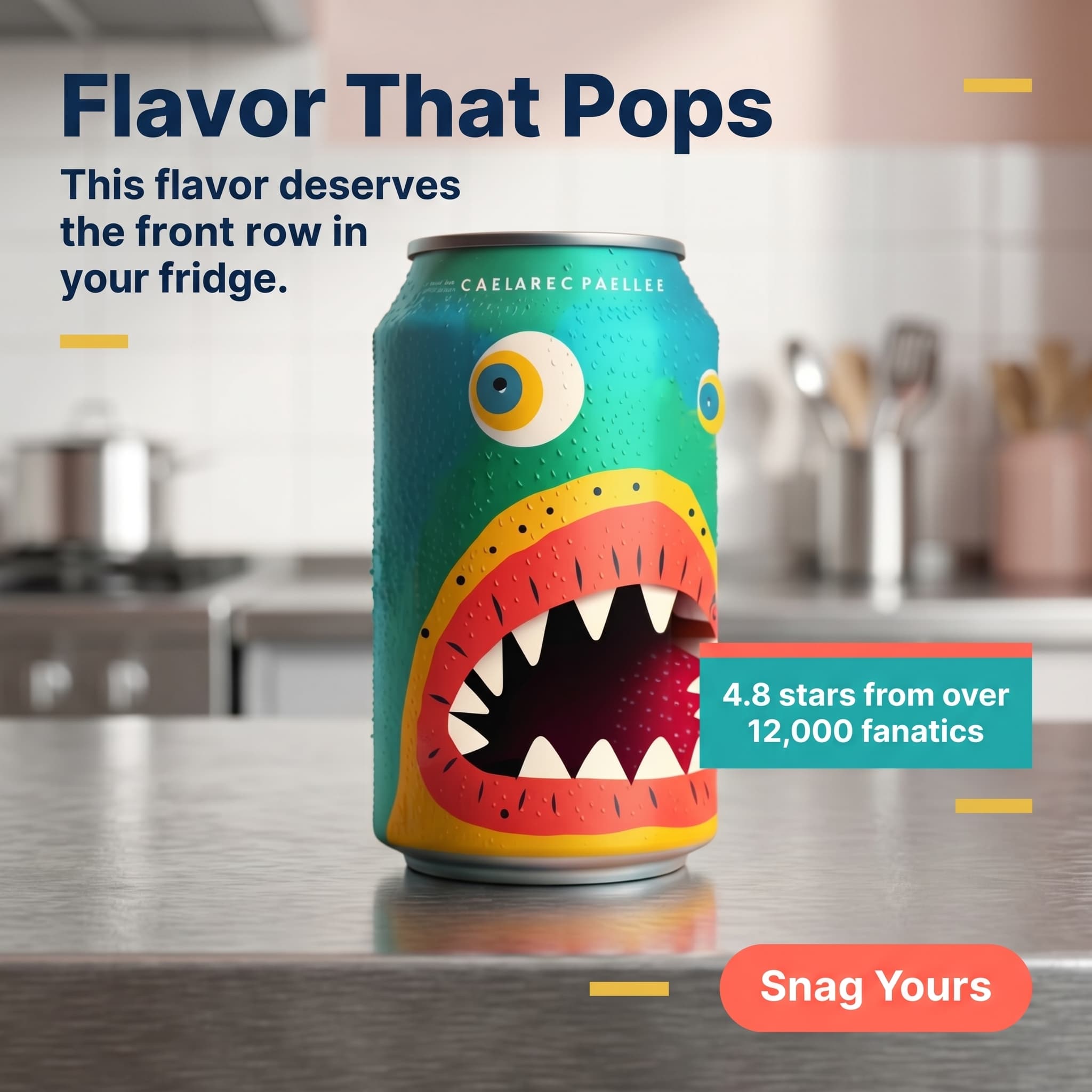

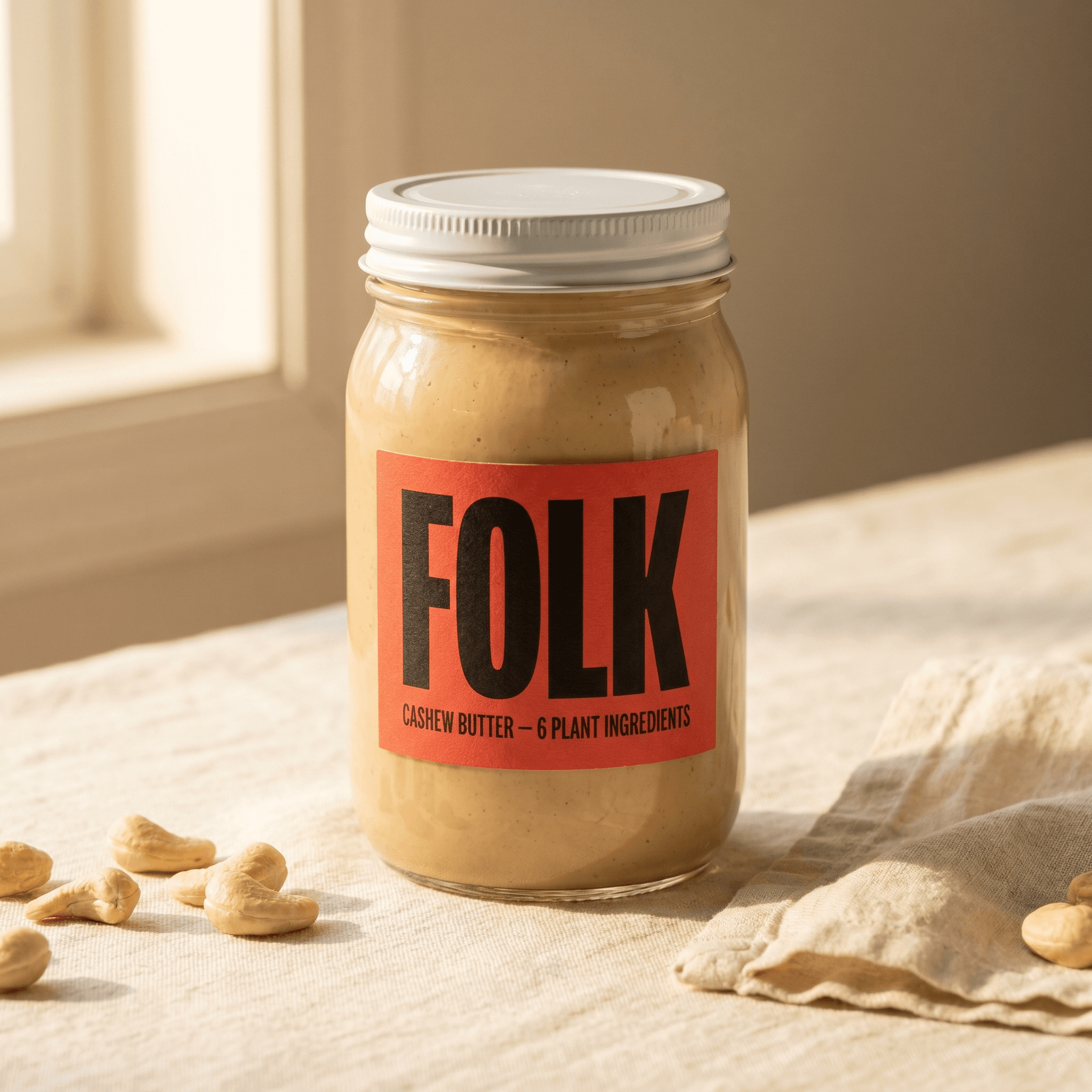
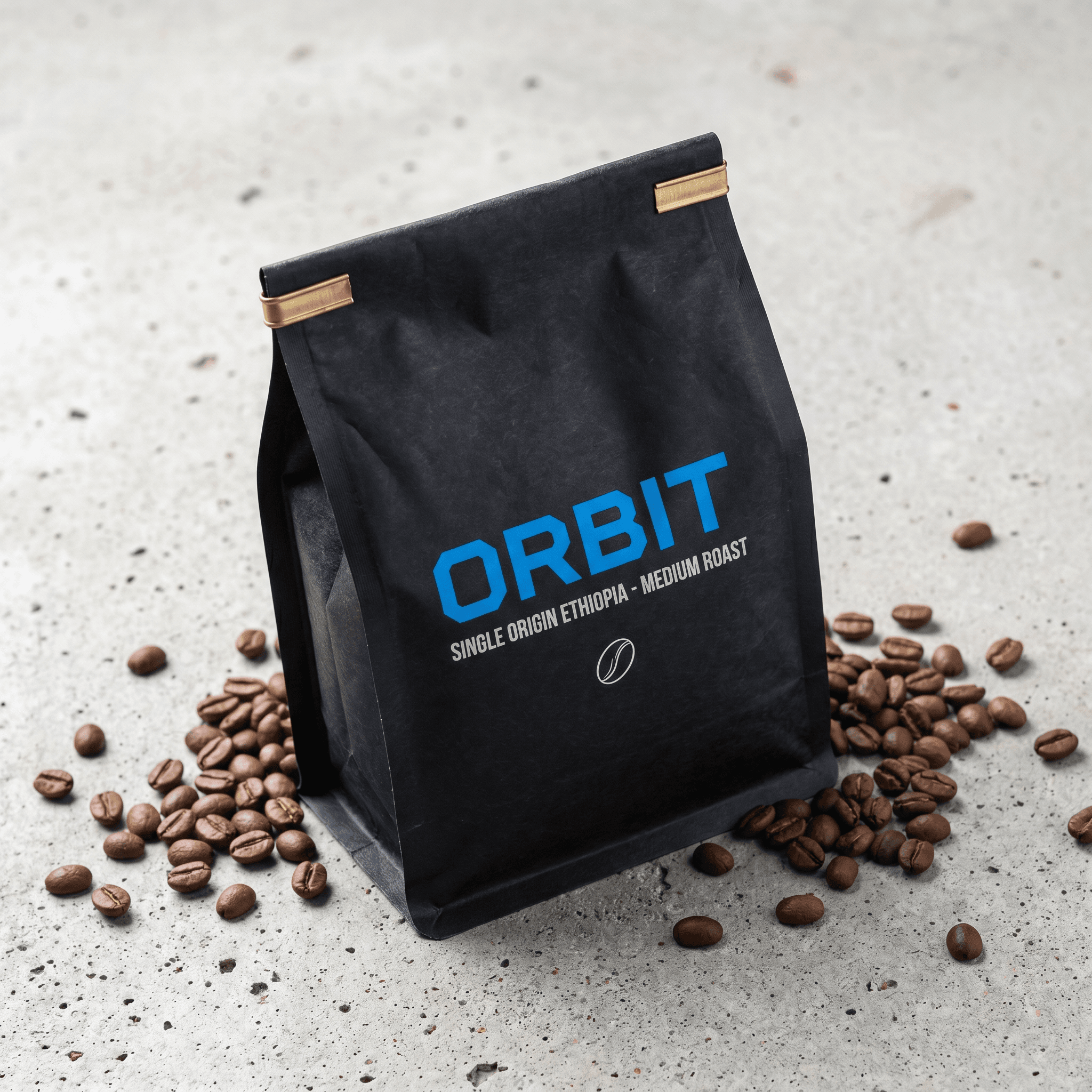
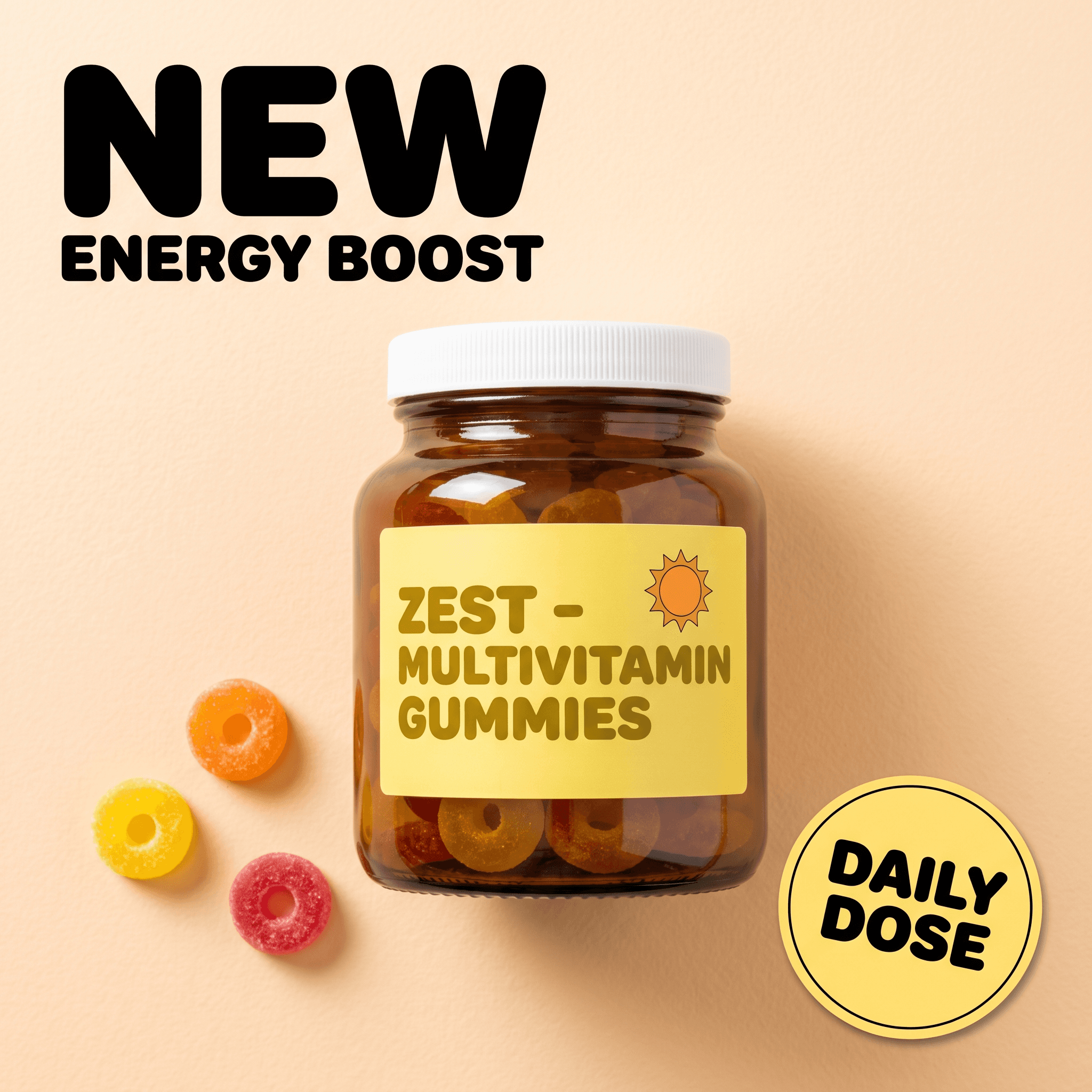
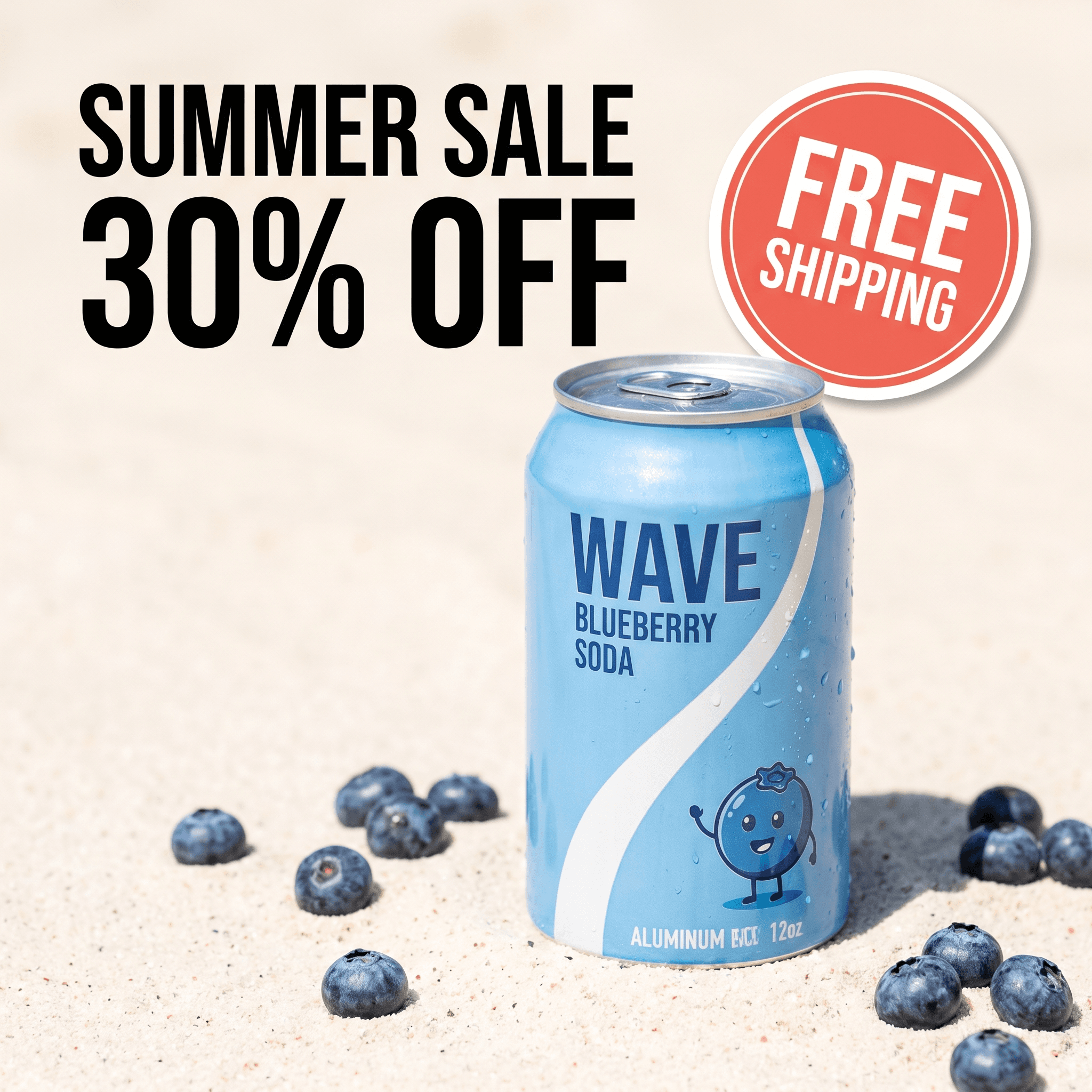
One test matrix: the same product across eight cells, each changing a single variable - scene on the top row, headline framing on the bottom row - so the winning cell points to one specific lever.
How Do You Run an AI Ad Creative A/B Test, Step by Step?
A clean creative test is four steps. The whole setup - pick the variable, generate the cells, structure the campaign, set the read cutoff - takes one working session.
Step 1: Pick one variable, write the hypothesis
Before generating anything, name the variable and the prediction: “A lifestyle scene will beat a white-background scene on CTR for cold traffic.” One variable, one expected direction. The variable is usually scene environment, headline angle, product framing (hero vs in-use), or layout (full-bleed vs card). Everything else stays frozen across every cell.
Step 2: Generate the test cells from one source photo
Upload the product photo once. If you are testing scene, generate 4-6 scenes that differ only in environment while the product stays identical. If you are testing headline angle, hold the scene constant and layer 4-6 headline variants on it through Pixair's Ad Maker. The rule that makes the test valid: only the variable under test moves between cells. AI generation is what makes that discipline cheap enough to actually hold to.
Step 3: Structure the campaign so cells get equal exposure
Put every cell in the same ad set so they compete in one auction against one audience - this is the cheapest way to test and it lets Meta's delivery surface the strongest cell quickly. If you need strict equal spend per cell for a clean read, use a dedicated A/B test (experiment) with budget split evenly instead. Never run cells in separate campaigns with different audiences - the audience difference contaminates the creative result.
Step 4: Set the read cutoff before you launch
Decide the stopping rule in advance: read at 3,000 impressions and 50+ link clicks per cell, or 4 days, whichever comes first. A cell wins only if it beats the control on cost per result by at least 15-20% at that sample size - a 5% gap is noise. Writing the cutoff before launch is what stops you from calling the test the moment a cell looks good on day one.
Manual Creative Testing vs AI-Generated Test Matrix
The cost of clean testing is the cost of producing enough single-variable cells. That is exactly where AI generation changes the economics - and where manual production forces teams into sloppy, multi-variable tests they cannot read.
Manual creative testing
Designer briefs per variant

Pixair AI test matrix
Manual creative testing
Designer briefs per variant
Pixair AI test matrix
Variables changed per cell
2 - 4 (mixed)
Exactly 1
Cells per test cycle
2 - 3
6 - 10
Time to produce a test batch
5 - 10 days
Under 30 minutes
Cost per test batch
$400 - $1,500
Under $3 in credits
Source material per batch
New shoot or stock
One product photo
Re-test turnaround after a read
1 - 2 weeks
Same day
Result attributable to one lever
Rarely
Always
What Should You Actually Test First?
Not every variable moves the needle equally. Test in this order - the early ones produce the biggest CTR swings, so you learn the most per dollar of test budget when you run them first.
- Scene environment. White background vs lifestyle context is usually the largest single CTR lever on cold traffic. Generate the same product on a clean studio backdrop, on a kitchen counter, and in a styled flat-lay, and let the audience tell you which context sells. This is the first test to run on any new product.
- Headline angle. Hold the visual constant and test the message: benefit-led (“sleep deeper”) vs ingredient-led (“3 grams magnesium”) vs objection-led (“no morning grogginess”). Headline angle often beats visual changes on warm and retargeting audiences who already know the product.
- Product framing. Hero shot (product alone, label-forward) vs in-use shot (product mid-action - a pour, an application, a hand-free demonstration). Framing tests tell you whether your buyer needs to see the product or see the outcome.
- Layout density. Full-bleed image with one line of copy vs a card layout with a badge, price, and CTA. Denser layouts often win on feed placements where the ad competes with organic posts; clean full-bleed wins on Stories. Test per placement, not globally.
- Single-element accents last. Color of a badge, position of a price tag, presence of a star-rating row. These are the smallest levers and should only be tested once the big variables are settled - otherwise you are optimizing a button on an ad whose scene was never validated.
How Do You Keep a Creative Testing Program Honest?
- One variable per cell, always. If a cell changes the scene and the headline, you have learned nothing transferable. The reason teams break this rule is production cost - it feels wasteful to generate eight near-identical ads. AI generation removes that excuse: clean cells cost cents, so there is no longer a reason to muddy a test to save a designer's time.
- Always run a control cell. Include your current best-performing ad as the baseline in every test. A new cell “winning” means nothing in isolation - it has to beat the incumbent by a real margin to earn budget. Without a control, you are comparing new ads to each other and crowning a winner that may be worse than what you already run.
- Log every test result with its hypothesis. Keep a testing log: variable, hypothesis, winning cell, lift, sample size. After 20 tests you stop guessing - you know your buyer prefers lifestyle scenes over studio, benefit headlines over ingredient lists. That accumulated map is worth more than any single winner because it shapes every future test.
- Do not re-test what you already know. If lifestyle scenes have beaten studio backgrounds in your last six tests, stop testing that variable and bank it. Spend the test budget on variables you have not resolved. Re-running settled questions is the most common way testing programs waste budget while feeling productive.
- Pipe winners straight into iteration. The moment a cell wins with significance, hand it to your static ad production pipeline and spin it into a batch of scale variants. A test is only valuable if the winner gets exploited fast - the same source photo that produced the test matrix produces the iteration batch.
Ready to build your first clean test matrix? Start free with Pixair AI - 30 credits to generate your first eight test cells, no card required.

Frequently Asked Questions
Run 6-10 cells per test cycle, always including your current best ad as the control. Because roughly 1 in 5 new concepts beats the incumbent, testing only two cells means most cycles return no improvement. With AI generation producing single-variable cells in minutes, the production cost of 8-10 cells is negligible, so volume is no longer the constraint it used to be.
Plan for roughly 3,000-4,000 impressions and at least 50 link clicks per cell before CTR and cost per result stabilize. Below that, a leading cell is usually noise that reverses if you rerun the test. A cell should beat the control by at least 15-20% on cost per result at that sample size to count as a real win, not a 5% gap that falls inside normal variance.
A/B testing changes one variable to learn which concept performs; iteration changes one variable to scale a concept that already won. Testing happens before you know the winner, iteration happens after. Both use the same single-variable discipline and the same AI production engine, but testing fills the top of the funnel with new concepts while iteration extends the life of proven ones.
Put all cells in one ad set so they compete for one audience in one auction - this is the cheapest setup and surfaces the strongest cell fastest. For a strictly equal-spend read, use Meta's dedicated A/B test (experiment) tool with budget split evenly. Never split cells across separate campaigns with different audiences, because the audience difference contaminates the creative result and the test becomes unreadable.
Yes. The testing bottleneck has always been producing enough clean single-variable variants, and AI generation removes it. Pixair AI generates 6-10 test cells from one product photo in under 30 minutes - scene variations, headline variants, and framing options - each changing exactly one element, so the winning cell points to one specific lever you can then scale.
Keep reading
Related articles
UGC Ad Creatives With AI: The Complete 2026 Guide
UGC ad creatives cost $3.15 per 10-second clip when AI renders them from your product photo, not $200 per creator video. Hooks, examples, full workflow.
Video Ad Hooks: How to Win the First 3 Seconds
Six video ad hook mechanisms with real examples, plus the math on testing five hooks for $11.05 instead of $1,500. Buy the first three seconds, cut your CPM.

Ad Testing Tools 2026: AI Creative Testing Software Compared
Compare ad testing tools and AI creative testing software by stage. A year of weekly testing costs $288 to $60,000 - see which category actually fixes your bottleneck.