
An AI marketing studio is a single workspace that turns one flat product photo into a full set of ad-ready creatives, without a photographer, a model, or a design tool. You upload one image, pick a preset - a ready-made scene or an on-model look - and Pixair AI rebuilds your product inside it in under 60 seconds. The new studio ships with two preset families: photoshoot presets that place a product into a styled scene, and try-on presets that put a wearable product on a model in a real setting. Together they answer the question most brands actually have - “how do I get my product into different scenes for ads without booking a shoot?”
What Is an AI Marketing Studio?
A marketing studio is the production layer between a raw product photo and a launched ad. In the old model that layer was physical - a photographer, a set, lighting, a model, and a designer who assembled the final creative. An AI marketing studio collapses all of that into one screen. You bring the product; the studio supplies the scene, the styling, and the export.
The piece that makes it usable for non-designers is the preset. A preset is a saved scene recipe - surface, lighting, mood, props, camera angle - that has already been dialed in to look like a real brand shoot. Instead of describing a scene in words and hoping the output lands, you pick a preset thumbnail and the studio composes your product into that exact look. It is the difference between a blank canvas and a tested template.
How Do Scene Presets Turn One Photo Into Many Ads?
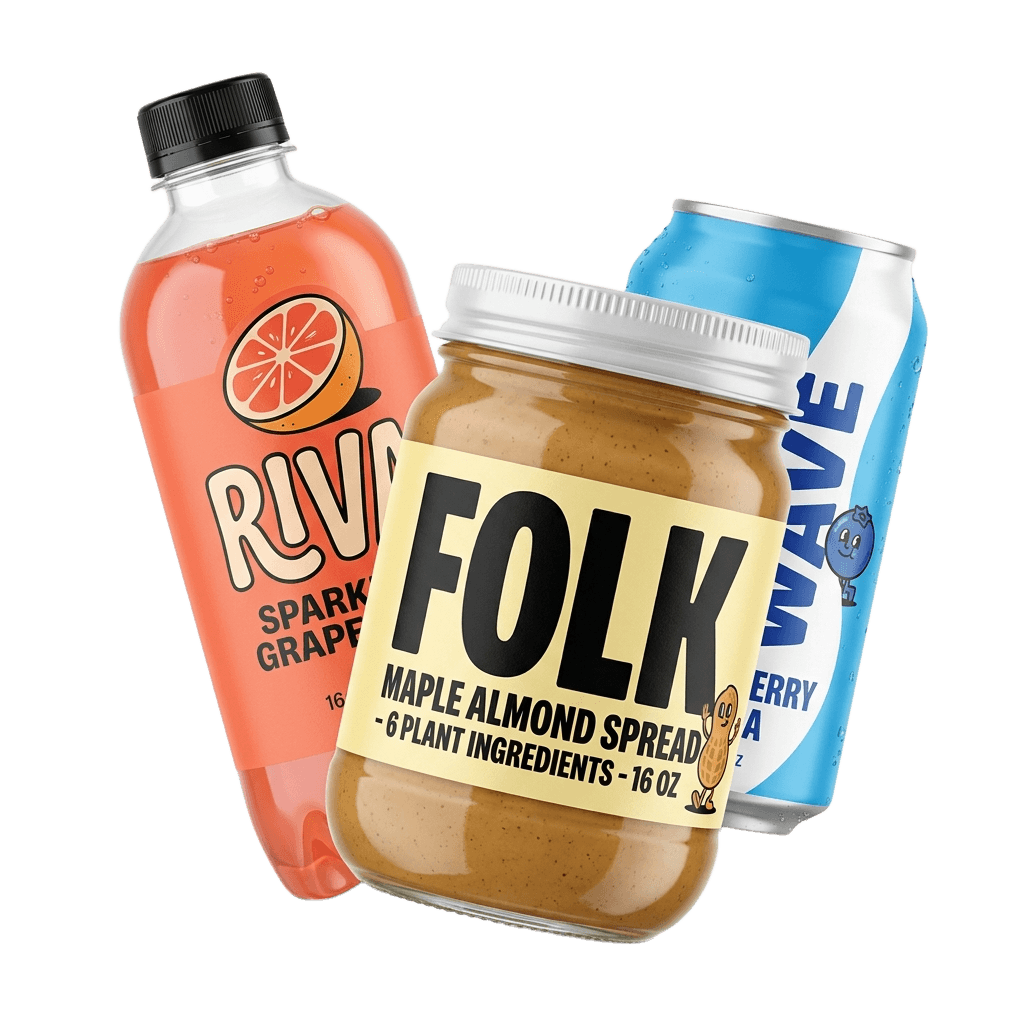
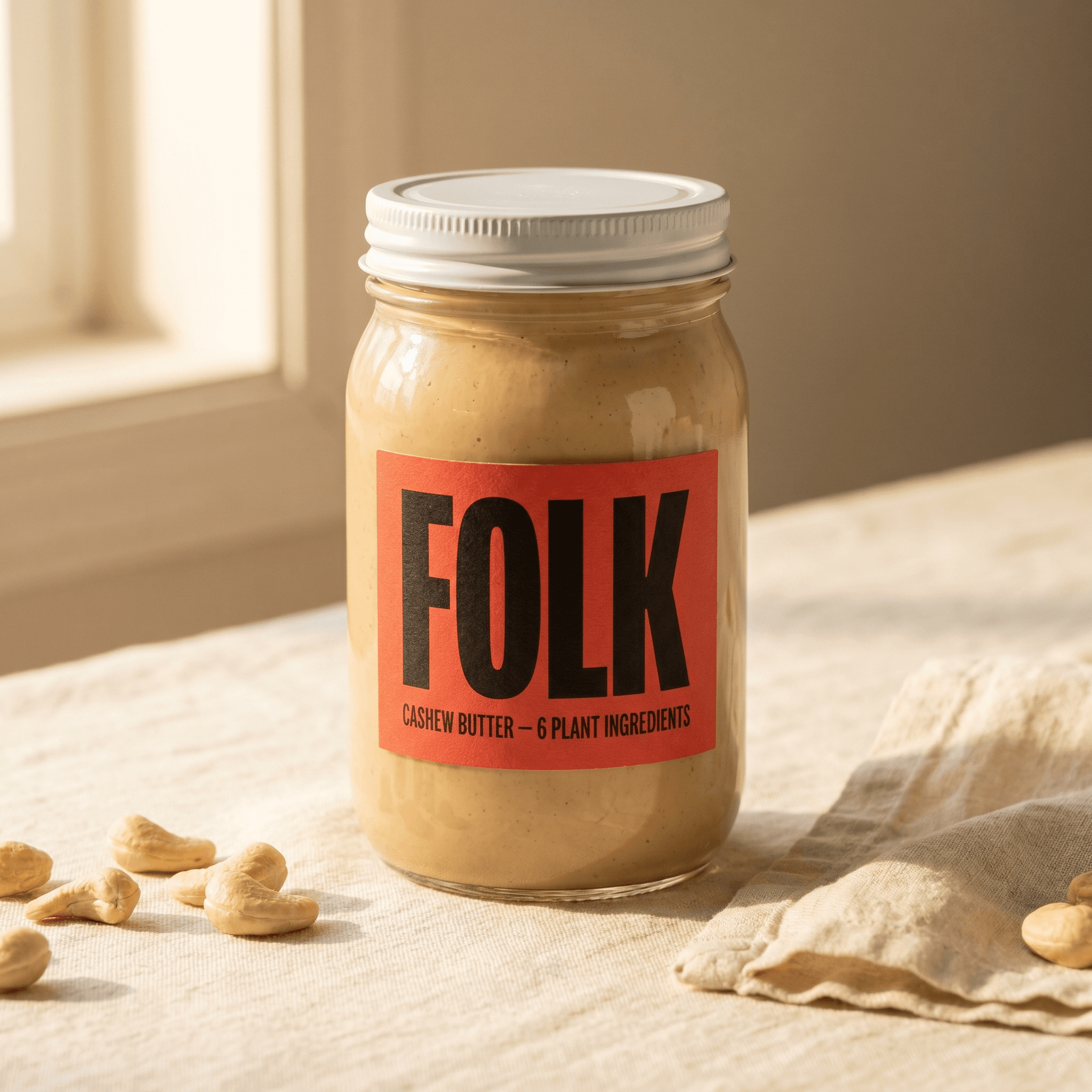
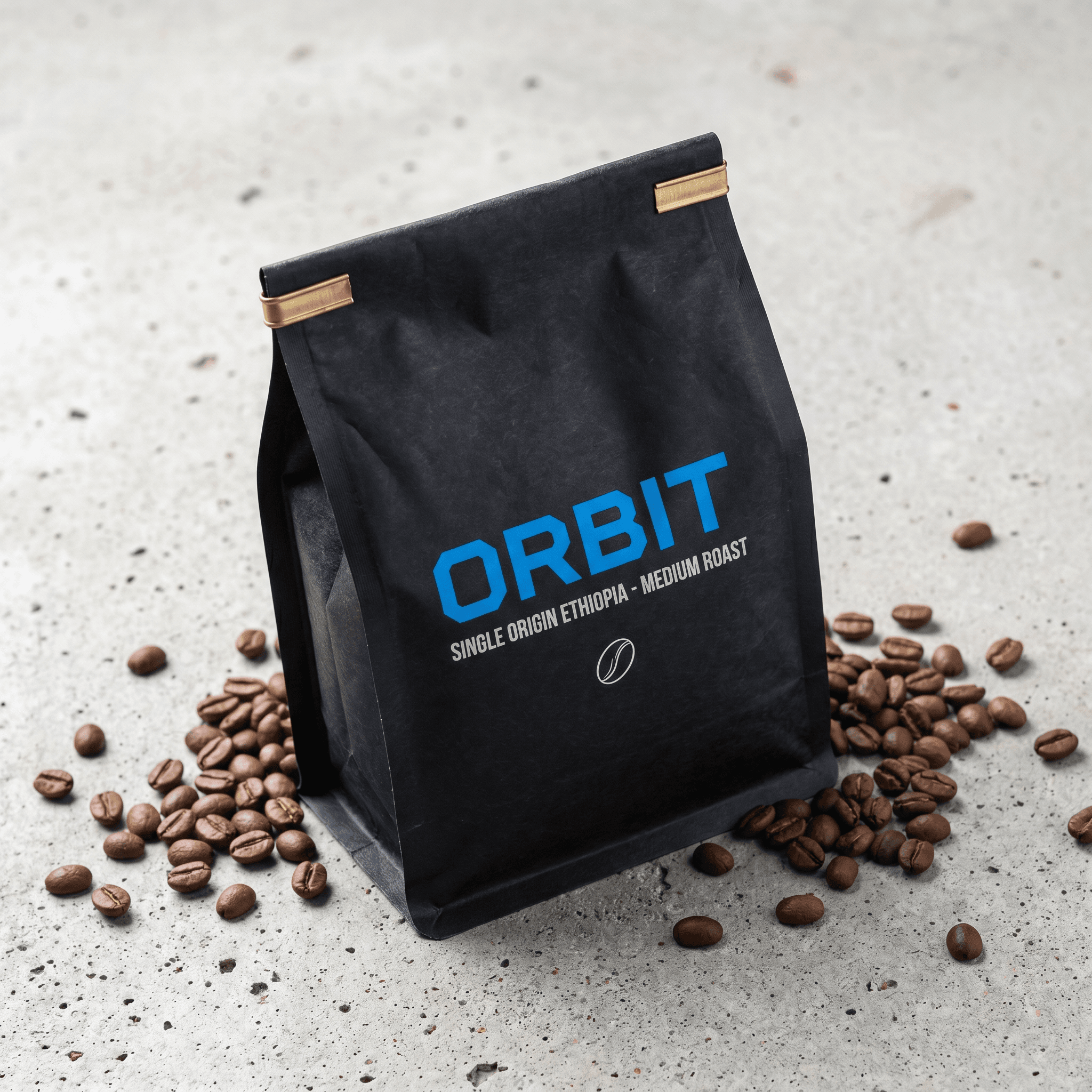
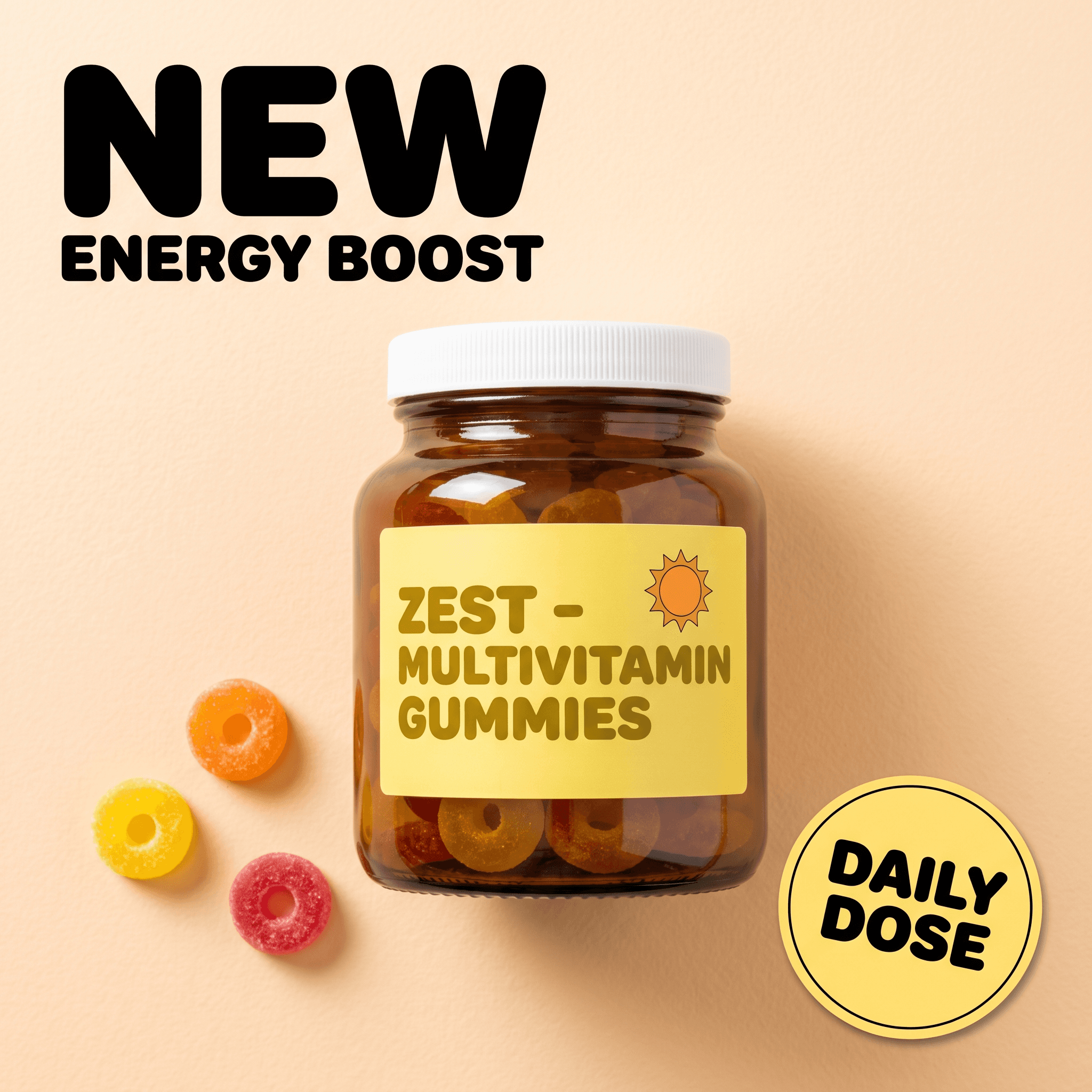
Photoshoot presets are for products you hold, pour, or place - bottles, jars, cans, packaged goods. You upload a clean packshot, the studio isolates the product with the label and packaging text kept pixel-accurate, and then rebuilds it inside the chosen scene. Below, the same perfume bottle rendered through four different photoshoot presets - one upload, four distinct ad scenes.


One perfume packshot run through four photoshoot presets - warm amber stone, twilight driftwood, dewy moss, and still water. Each is a separate ad-ready scene from a single upload.
Because each preset is a self-contained look, four presets give you four genuinely different creatives to test - not four crops of the same image. That maps directly onto how performance advertising works: you launch several distinct scenes against one product and let the ad account tell you which mood converts. The studio is the supply side of ad creative A/B testing - it gives you enough real variation to test something meaningful.
What Are Try-On Presets and When Do You Use Them?
Try-on presets are for products that are worn, held, or carried by a person - apparel, drinkware, accessories, anything that reads better in human context. Instead of placing the product on a surface, the studio places it with a model inside a styled setting: a flower field, a clear-sky portrait, a pastel interior. For fashion and lifestyle brands this answers the most expensive question they face - getting a product onto a model without a casting, a studio day, or sample shipping.


Try-on presets put a product into a model-led scene - flower field, clear-sky portrait, pastel interior - the kind of lifestyle ad that normally needs a casting and a shoot day.
The cost gap here is the whole reason the feature exists. A traditional model shoot for a small brand runs roughly $2,000-$5,000, and a 100-SKU catalog needing several looks each can reach $35,000-$48,000 per cycle. Brands that switch to AI try-on for their marketing imagery routinely report 70%+ savings, because the per-image cost drops from tens of dollars to cents. Try-on presets bring that to ad creative specifically: you generate the on-model lifestyle shot the ad needs, not just a catalog cutout.
Blank-Prompt AI vs a Preset-Based Marketing Studio
Most AI image tools hand you an empty prompt box. That is powerful for an expert and paralysing for everyone else. A preset-based studio removes the prompt-writing skill from the path to a good ad. Here is how the two approaches compare for someone who just wants launch-ready creatives.
Blank-prompt AI tool
Type a description, hope it lands

Pixair AI marketing studio
Blank-prompt AI tool
Type a description, hope it lands
Pixair AI marketing studio
Skill needed to get a good result
Prompt-writing expertise
Pick a preset thumbnail
Consistency across a batch
Varies prompt to prompt
Locked by the preset recipe
On-model / try-on output
Hard to prompt reliably
Dedicated try-on presets
Time to first usable ad
10 - 30 min of iterating
Under 60 seconds
Label / packaging accuracy
Often warped or invented
Original label preserved
Variations to A/B test
Re-prompt each one
Swap presets in one click
Export sizes for ads
Manual cropping
Every placement ratio at once
How Do You Build an Ad Set in the Studio?
The workflow is built so a founder with no design background can ship a full ad set in one sitting. Four steps, one upload, a launch-ready batch at the end.
Upload one clean product photo
A front-facing shot on a plain background is all the studio needs. It removes the background and isolates the product while keeping the label, logo, and packaging copy intact, so your brand reads identically in every scene that follows. For a wearable product, upload the garment or accessory flat.
Pick presets, not prompts
Choose photoshoot presets for products you place on a surface, try-on presets for products a person wears or holds. Select three to five presets that fit your brand mood. Each one is a separate creative concept, so picking five presets is the same as briefing five different mini-shoots - except it happens in seconds.
Add the headline hook
Run the chosen scenes through Ad Maker to layer typography. The studio reads your product label - brand name, product name, key claim - and drafts the headline and benefit line from what is on the packaging, so you are not staring at a blank copy field.
Export every placement at once
One generation outputs 1:1 and 4:5 for Meta feed, 9:16 for TikTok and Stories, and standard banner ratios for Google Display. The layout reflows per frame so the product stays centered and the headline never crops. One product becomes a multi-platform ad set with no manual resizing.
How Do You Get the Most Out of Presets?
- Match the preset mood to the product, not your taste. A warm amber-stone scene sells a fragrance or a candle; a cool still-water scene sells a supplement or a tech accessory. Pick presets whose lighting temperature matches the feeling the category buys on, even if a different look is prettier to you.
- Run three presets as your first test, not one. The point of a studio is cheap variation. Launch a fragrance against amber stone, twilight driftwood, and dewy moss simultaneously, then keep the winner. Testing one scene wastes the one thing the studio is best at.
- Use try-on presets for the scroll, packshots for the click. On-model try-on scenes stop the thumb in a feed; a clean photoshoot-preset scene reassures on the product page. Generate both from the same product and use the try-on as the ad, the packshot scene as the landing image.
- Keep one preset as your brand signature. Pick a single photoshoot preset and run your whole catalog through it for a consistent grid. Then break the pattern with try-on presets only for hero launches - the contrast makes the launch feel like an event.
- Re-run a fatigued ad through a new preset, not a new brief. When frequency climbs past 2.5 on a cold audience, swap the scene preset and relaunch the same product. It is a fresh creative in 60 seconds - see the ad creative iteration guide for the full refresh loop.
Ready to turn one product photo into a full ad set with presets? Start free with Pixair AI - 30 credits to run your first batch, no card required.
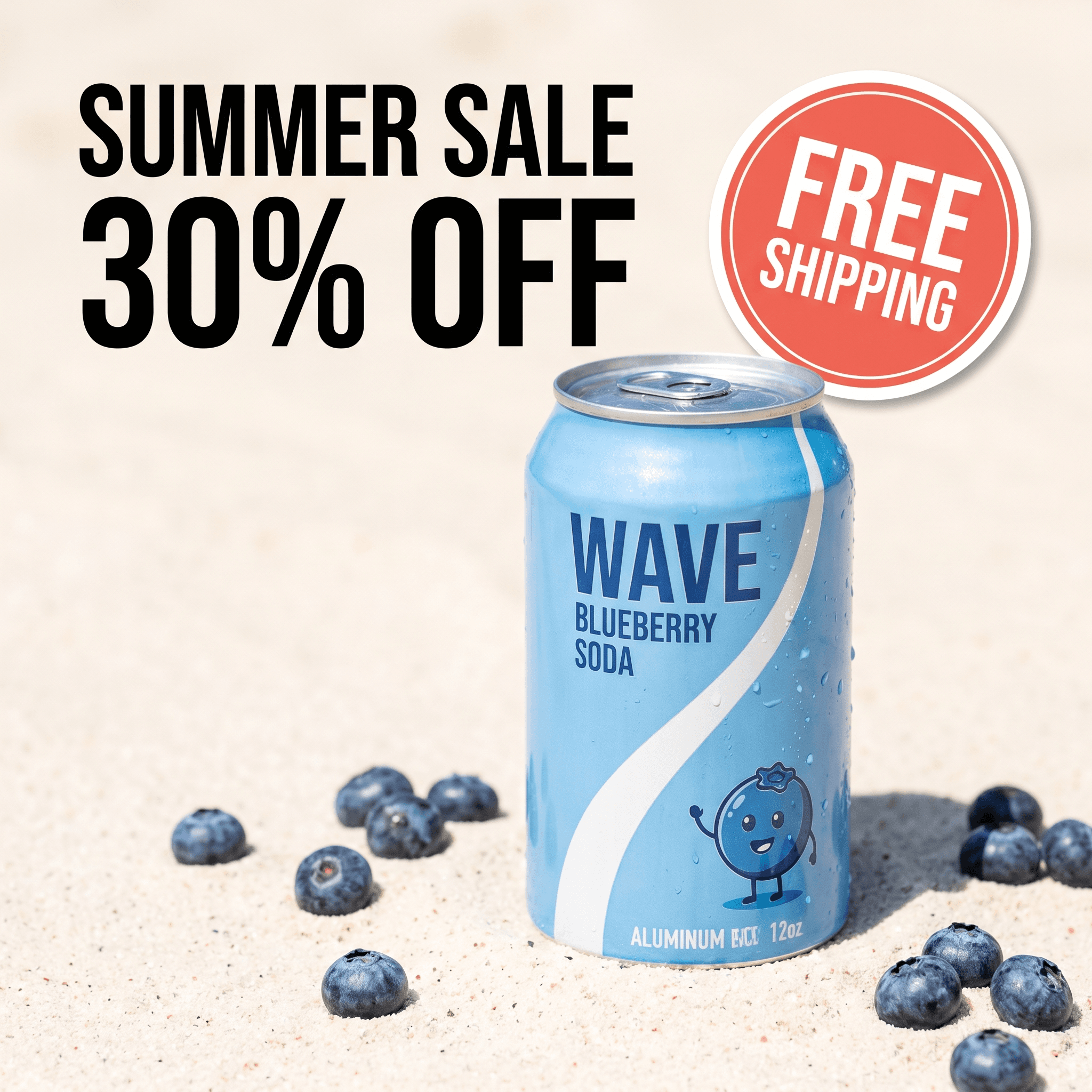
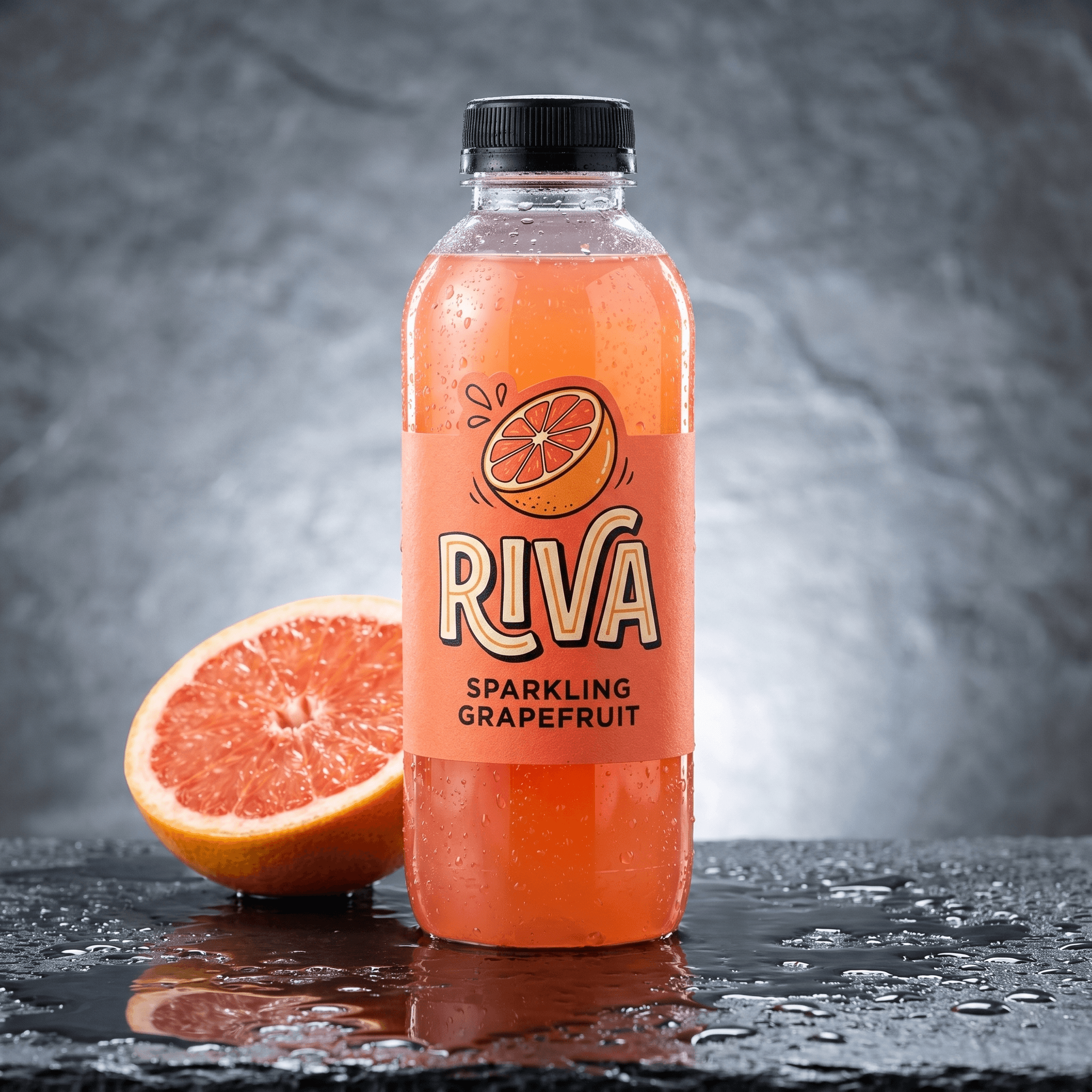
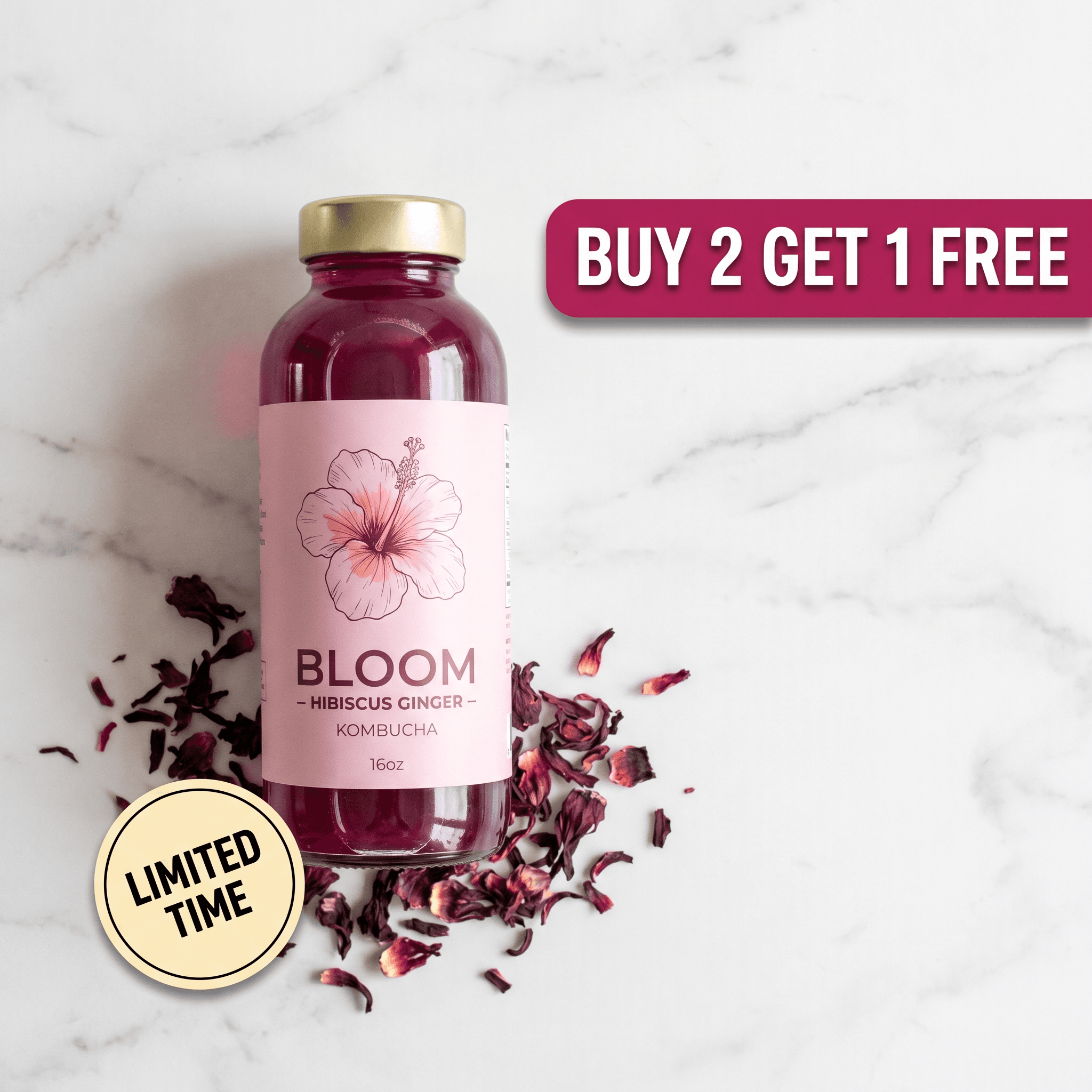
Frequently Asked Questions
An AI marketing studio is a single workspace that converts one product photo into ad-ready creatives without a photographer, model, or design tool. You upload an image, pick a preset scene or on-model look, and the studio rebuilds your product inside it in under 60 seconds. Pixair AI's studio includes photoshoot presets for products on surfaces and try-on presets for wearable products on a model.
Upload one clean product photo to a preset-based studio like Pixair AI, then select several scene presets. Each preset places your product into a fully styled environment - different surface, lighting, and mood - while keeping your label pixel-accurate. Three presets give you three distinct ad scenes from a single upload, with no camera, set, or studio day required.
Photoshoot presets place a product on a styled surface - bottles, jars, cans, and packaged goods sitting in a scene. Try-on presets put a wearable or held product onto a model inside a real setting, such as apparel, drinkware, or accessories shown in lifestyle context. Use photoshoot presets for things you place and try-on presets for things a person wears or carries.
No. Presets exist specifically to remove prompt-writing from the workflow - you pick a thumbnail instead of describing a scene in words. Each preset is a pre-tuned recipe for surface, lighting, mood, and camera angle, so you get a consistent, brand-quality result without prompt expertise. You can still write a custom prompt if you want full control, but it is optional.
Yes. Try-on presets generate on-model lifestyle images from a flat garment photo, which is what fashion and accessory ads need. Brands that replace traditional model shoots with AI try-on commonly report 70%+ cost savings, since per-image cost falls from tens of dollars to cents. This makes it practical to produce on-model ad creatives for an entire catalog rather than only hero SKUs.
From a single upload you can generate one creative per preset you select, and Pixair AI ships multiple photoshoot and try-on presets. Picking five presets yields five distinct scenes, and because each generation exports every ad ratio at once, one concept becomes several placement-ready assets. In practice one product photo can produce 20+ launch-ready ad creatives in under an hour.
Keep reading
Related articles
Instagram Story Ads Generator: How to Make 9:16 Ads
Only 69% of a 1080x1920 Story frame is safe for your product and offer. Generate native 9:16 Instagram Story ads from one product photo for $0.18 each.

AI Apparel Ad Creatives: On-Model Ads From a Flat Lay
Turn one flat garment photo into on-model ad creatives in under 60 seconds, no model or booking. The guide to AI apparel ad creatives for DTC fashion brands.

AI Furniture Ad Creatives From One Product Photo
Turn a single furniture photo into a full editorial ad campaign in under 5 minutes. A guide to AI furniture ad creatives for DTC home brands - no studio, no model.