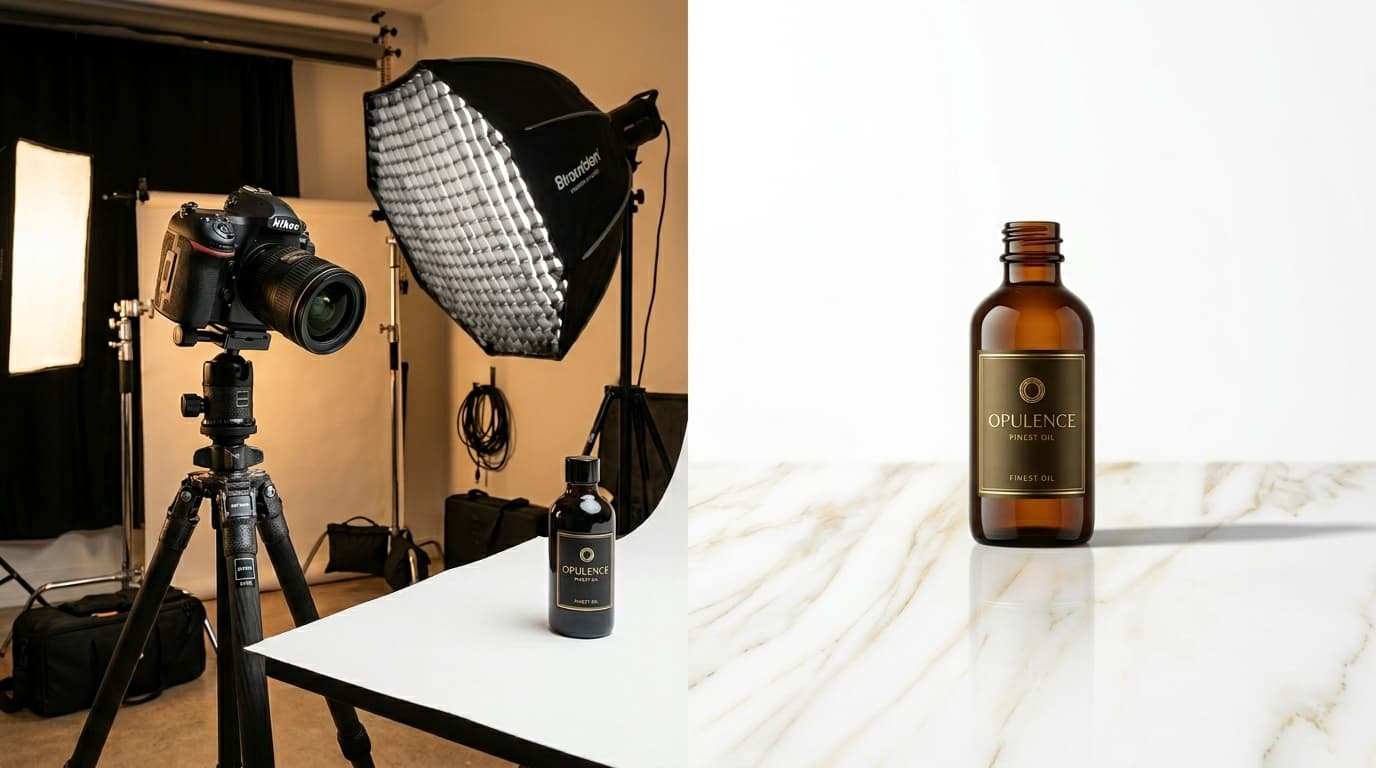
Product photography in 2026 costs $50 to $400 per image with a freelance photographer, $100 to $225 per finished image at a professional studio (with a $1,500 to $3,500 day-rate minimum), and under $0.50 per image with AI tools. For a 30-SKU catalog, that is roughly $4,000 to $10,000 traditional versus $24 per month for unlimited AI generation. This guide breaks down real 2026 pricing across all three methods - and where each one is actually the right choice.
“Just use AI” is not the right answer for every product or every brand. Below is a framework for choosing the approach that fits your catalog size, budget, and quality bar.
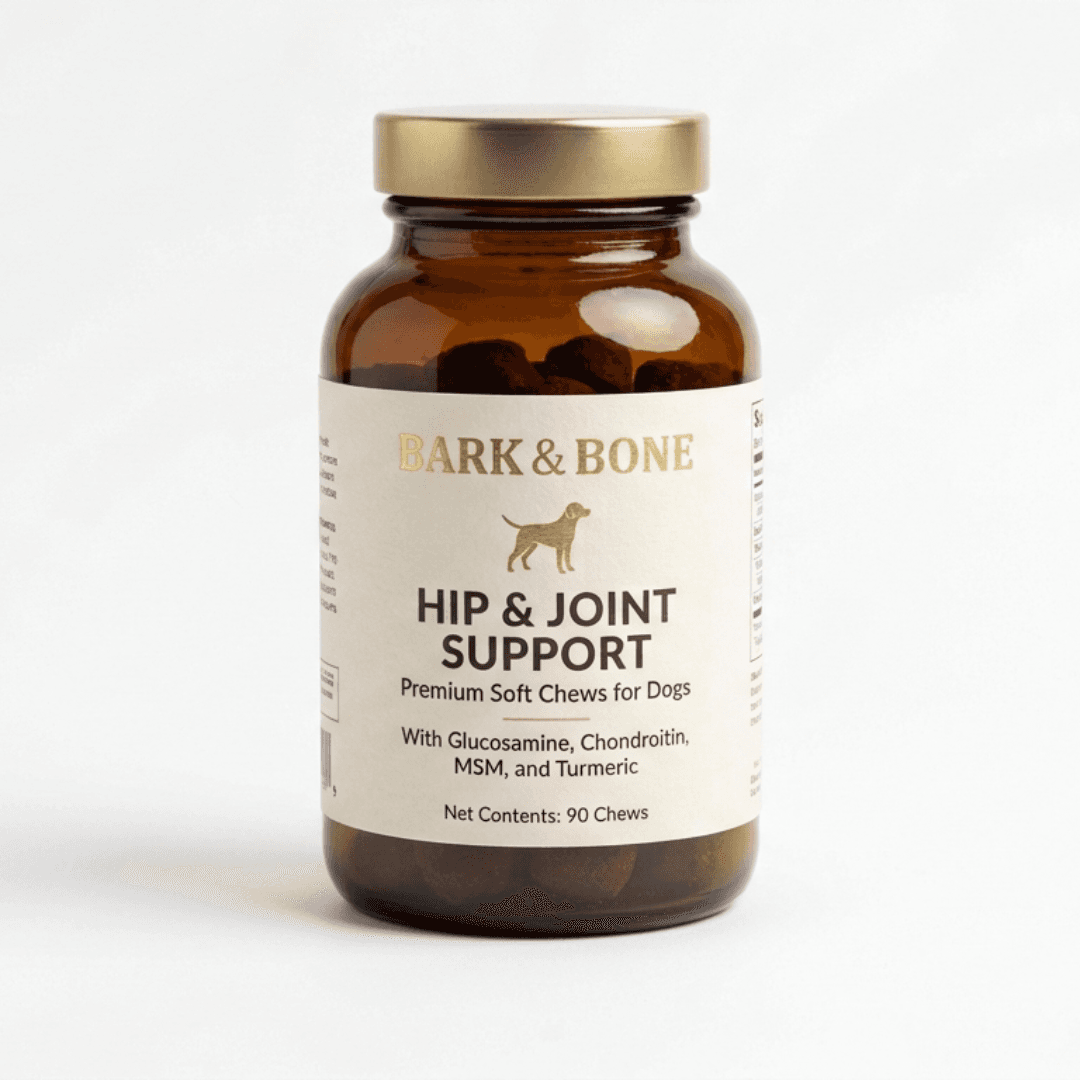
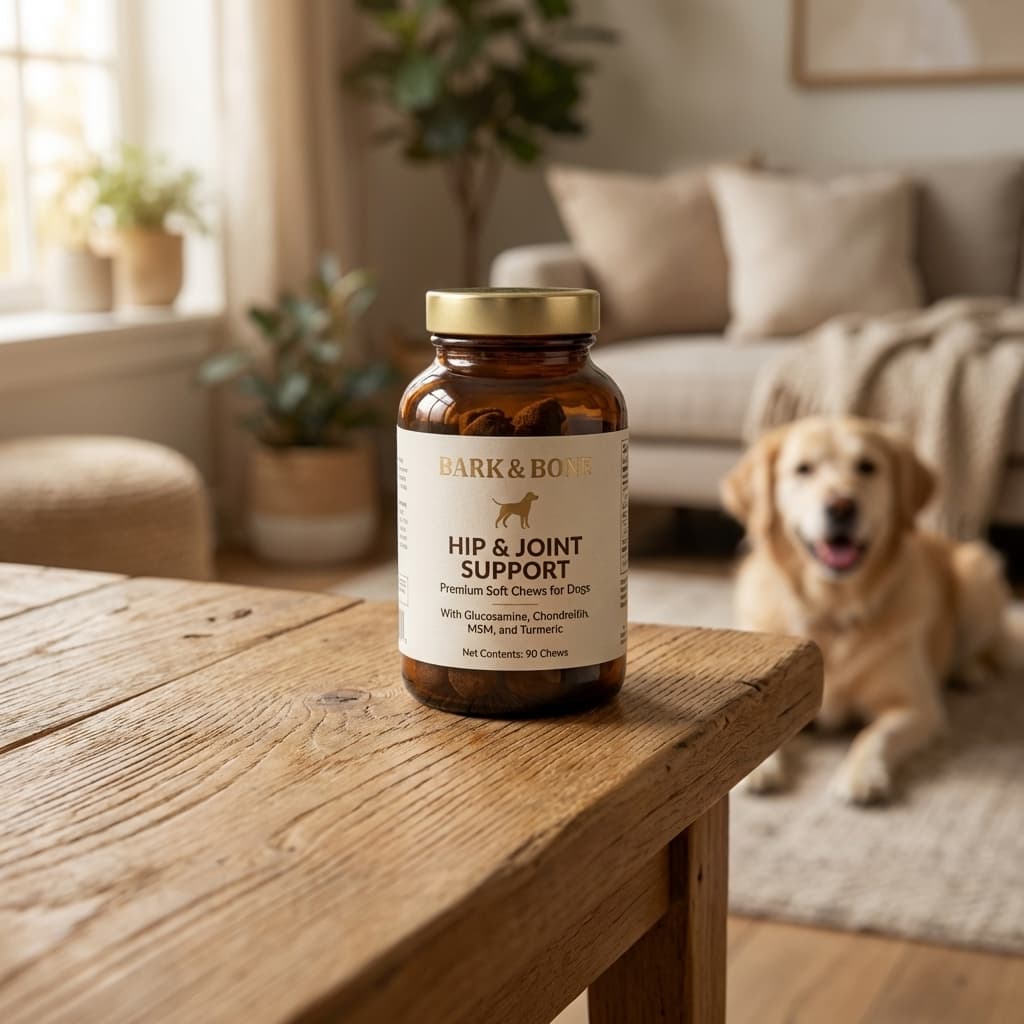
Same product. One phone photo as input. No photographer, no studio.
The Three Methods, Defined
Before the numbers, a quick definition of each method - because “freelancer” and “studio” get used interchangeably and they are not the same thing. For a deeper look at how AI photography works in practice, see the complete AI product photography guide - or the supplement-specific workflow or the Amazon listing image generator guide if you sell on Amazon. If minimizing cost is the whole point, the product photography on a budget guide breaks down the cheapest workable setup at every price tier, and Etsy sellers have a dedicated guide for handmade and small-batch catalogs.
- Professional studio:A dedicated photography studio with owned lighting rigs, cyclorama walls, prop libraries, and in-house retouchers. You book time by the half-day or full-day. The studio provides the photographer, equipment, and post-processing. Best for brands with 20+ SKUs or premium price points that demand consistent, controlled output.
- Freelance photographer:An independent photographer who either comes to your location or has a home studio setup. You negotiate per-image or per-session rates directly. Quality varies enormously. Turnaround is typically 3-7 business days after the shoot. Best for small batches (5-15 products) or brands with a specific visual style that needs a human creative eye.
- AI product photography:You photograph your product yourself - on your kitchen counter, on a plain sheet, on a windowsill - and upload it to an AI tool. The AI removes the background and places your product into a photorealistic generated scene: marble countertop, outdoor lifestyle, dark studio backdrop. Output is delivered in under 60 seconds. Best for ecommerce sellers who need consistent, high-volume output at low cost.
Professional Studio: What You Actually Pay
Studio rates in 2026 are typically quoted as half-day or full-day blocks, not per image. This is important because the per-image cost depends entirely on how many products you can shoot in the time you have booked.
| Cost item | Typical range (US, 2026) |
|---|---|
| Studio half-day (4 hrs) | $400 - $900 |
| Studio full day (8 hrs) | $800 - $1,800 |
| Photographer fee (if not included) | $300 - $800 / day |
| Stylist / prop setup | $200 - $600 / day |
| Post-processing / retouching | $25 - $80 / image |
| Rush delivery surcharge | 25 - 50% uplift |
A realistic full-day studio shoot for a 20-SKU product catalog - studio rental, photographer, basic styling, and standard retouching - lands between $2,000 and $4,500 all-in. That works out to $100 - $225 per finished image.
The hidden variable is throughput. A well-organized shoot with simple products (apparel laid flat, packaged goods on a sweep) might yield 40-60 images per day. Complex products - jewelry requiring macro setups, furniture requiring room builds, food requiring a food stylist - might yield 8-15 images per day. The per-image cost can swing from $50 to $500+ on the same day-rate quote.
Freelance Photographer: What You Actually Pay
Freelance rates vary more than studio rates because there is no standardization. A lifestyle photographer in New York charges differently from a product specialist in Austin. That said, the market has settled into recognizable tiers.
| Tier | Per image | What you get |
|---|---|---|
| Entry-level (0-2 yrs) | $15 - $50 | Basic DSLR, minimal retouching, inconsistent quality |
| Mid-tier (3-6 yrs) | $50 - $150 | Reliable quality, 2-3 setups, basic retouching included |
| Senior (7+ yrs) | $150 - $400 | Consistent brand-level output, full retouching, licensing |
| Specialist (food, jewelry) | $200 - $600+ | Niche equipment, styling included, premium retouching |
Most ecommerce sellers end up working with mid-tier freelancers at $50-$150 per image. For a 30-SKU launch, that is $1,500-$4,500 - before you factor in reshoots, seasonal variants, or new SKUs added later in the year.
The real cost multiplier is ongoing: every new product, every seasonal campaign, every listing refresh requires another booking, another turnaround wait, another invoice. Freelance photography is not a one-time cost - it is a recurring line item.
AI Product Photography: What You Actually Pay
AI photography tools use a credit or subscription model. You pay a flat monthly fee and consume credits per generation. The effective per-image cost is dramatically lower than either human alternative.
| Plan | Monthly cost | Credits / month | Effective per image |
|---|---|---|---|
| Free (Pixair) | $0 | 50 | < $0.01 (capped) |
| Pro (Pixair) | $24 / mo | 400 | ~$0.06 |
| Business (Pixair) | $59 / mo | 1,000 | ~$0.06 |
There is one real cost that AI pricing tables omit: your time taking the source photo. A usable phone photo takes 5-10 minutes per product. For a 30-SKU catalog, that is 2.5-5 hours of your time - front-loaded, but manageable, and never repeated unless the product changes.
After that initial photo session, generating new backgrounds, seasonal variants, or platform-specific crops costs nothing additional beyond credits. A summer launch background swap that would require a full freelance reshoot takes 30 seconds.
Side-by-Side: 10, 30, and 100 SKUs
Here is what each method costs to produce a full product catalog at three common ecommerce scales. Assumes mid-tier freelancer rates, a mid-range studio quote, and the Pixair Pro plan at $24/month.
| Catalog size | Professional studio | Freelance photographer | AI (Pixair Pro) |
|---|---|---|---|
| 10 SKUs (1 image each) | $1,000 - $2,500 | $500 - $1,500 | ~$24 / mo |
| 30 SKUs (1 image each) | $2,000 - $4,500 | $1,500 - $4,500 | ~$24 / mo |
| 100 SKUs (1 image each) | $5,000 - $15,000 | $5,000 - $15,000 | ~$59 / mo |
| 30 SKUs (3 images each) | $4,500 - $10,000 | $4,500 - $13,500 | ~$24 / mo |
| Annual reshoots (30 SKUs) | $2,000 - $4,500 / yr | $1,500 - $4,500 / yr | Included in subscription |
The cost gap compounds as your catalog grows and as you add seasonal or campaign-specific variants. A brand running quarterly campaigns across 30 SKUs would spend $6,000 - $18,000 per year with freelancers. The same output with AI costs $180.
What Each Method Gets Right (and Wrong)
Cost is not the only variable. Here is an honest assessment of where each method wins and where it falls short.
Professional Studio
Works well for
- +Maximum control over lighting, props, and composition
- +Best output for complex products: reflective surfaces, transparent packaging, food
- +Human creative direction catches problems AI cannot anticipate
- +Consistent output at scale when process is well-managed
Watch out for
- -High minimum spend - rarely worth it under 20 SKUs
- -Long lead times: booking, shoot day, post-processing
- -Every change (new product, seasonal variant) requires a new booking
- -Stylist and retoucher coordination adds coordination overhead
Freelance Photographer
Works well for
- +More flexible than studios - can come to your location
- +Better for lifestyle shots with human subjects or location-specific context
- +Easier to build a long-term relationship with a consistent visual style
- +Lower minimum batch than studios
Watch out for
- -Quality inconsistency across different freelancers
- -Scheduling friction - especially for seasonal turnarounds
- -Per-image cost scales badly for large catalogs
- -Reshoots and revisions often cost extra
AI Photography
Works well for
- +Cost per image is 50-100x lower than human alternatives
- +Instant turnaround - new variant in under 60 seconds
- +Unlimited iterations at no extra cost
- +Scales effortlessly from 1 SKU to 1,000 SKUs
- +No scheduling, no waiting, no invoices
Watch out for
- -Requires a clean source photo as input - you still need to photograph the product
- -Struggles with highly reflective materials (mirrors, polished chrome, clear glass)
- -Cannot generate human lifestyle shots (models wearing clothing, hands holding products)
- -Output quality is strong but not always indistinguishable from high-end studio photography
When AI Is Not the Right Choice
AI photography is the right default for most ecommerce sellers. But there are genuine cases where a human photographer is worth the cost:
- Ultra-premium or luxury productsIf your product sells for $500+ and your buyer expects perfection, the margin exists to justify studio-level photography. The difference between AI-generated and hand-crafted studio output is small but perceptible to a trained eye - and your buyer may have one.
- Products requiring human modelsAI cannot yet reliably generate hands holding a product, a model wearing jewelry, or a person using a product naturally. If lifestyle shots with people are central to your brand identity, you need a photographer.
- Highly reflective or transparent materialsClear glass bottles, polished metal, chrome hardware, and mirrors reflect their environments. AI scene generation sometimes produces artifacts or inconsistent reflections on these surfaces. A controlled studio with proper lighting handles reflective products more predictably.
- Hero brand campaignsIf you are producing a campaign that will run as paid ads, appear in editorial placements, or anchor a major seasonal launch, the creative direction and polish of a studio shoot is often worth the investment. AI is excellent for catalog and listing photography; for hero creative, human judgment still adds value.
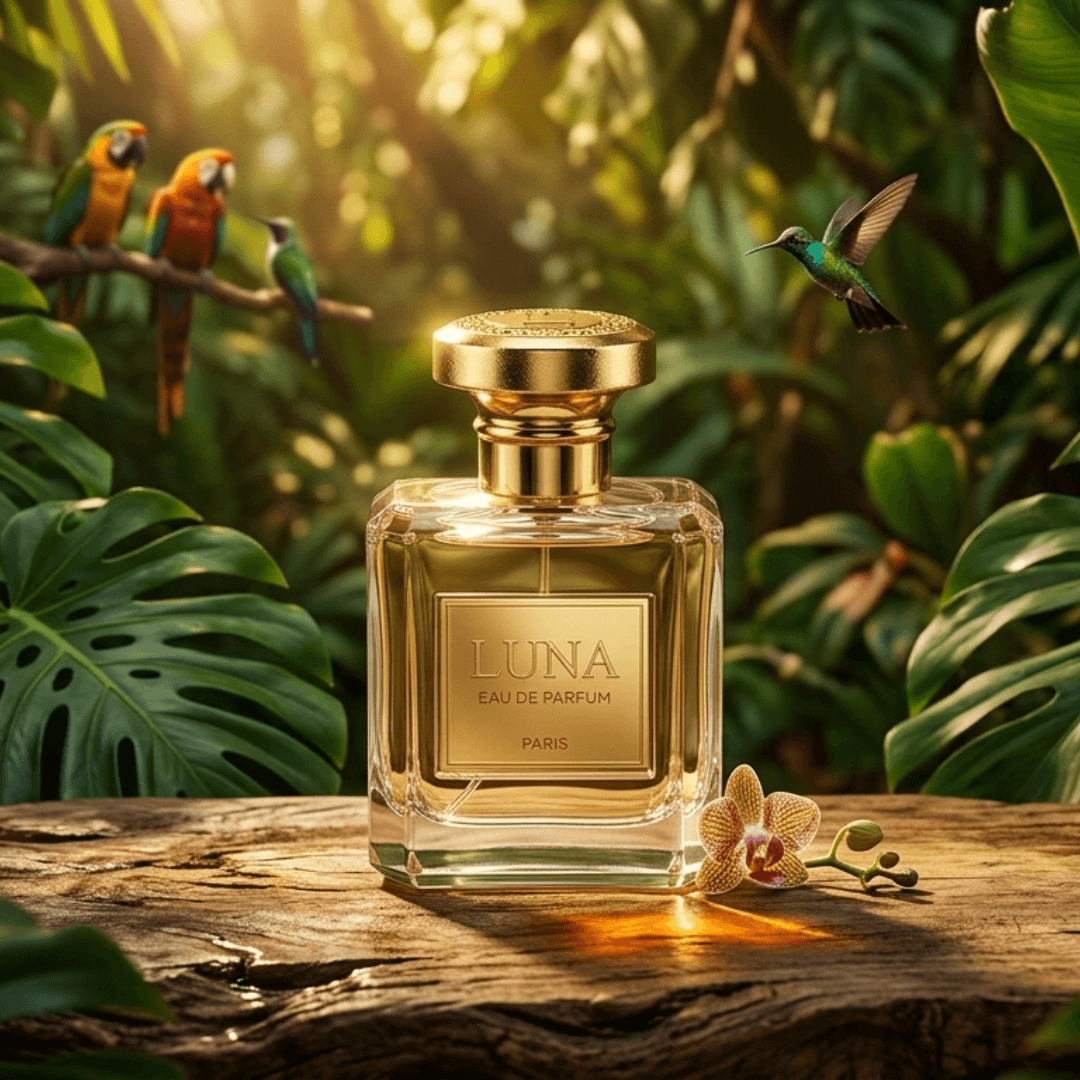
Candles & Home
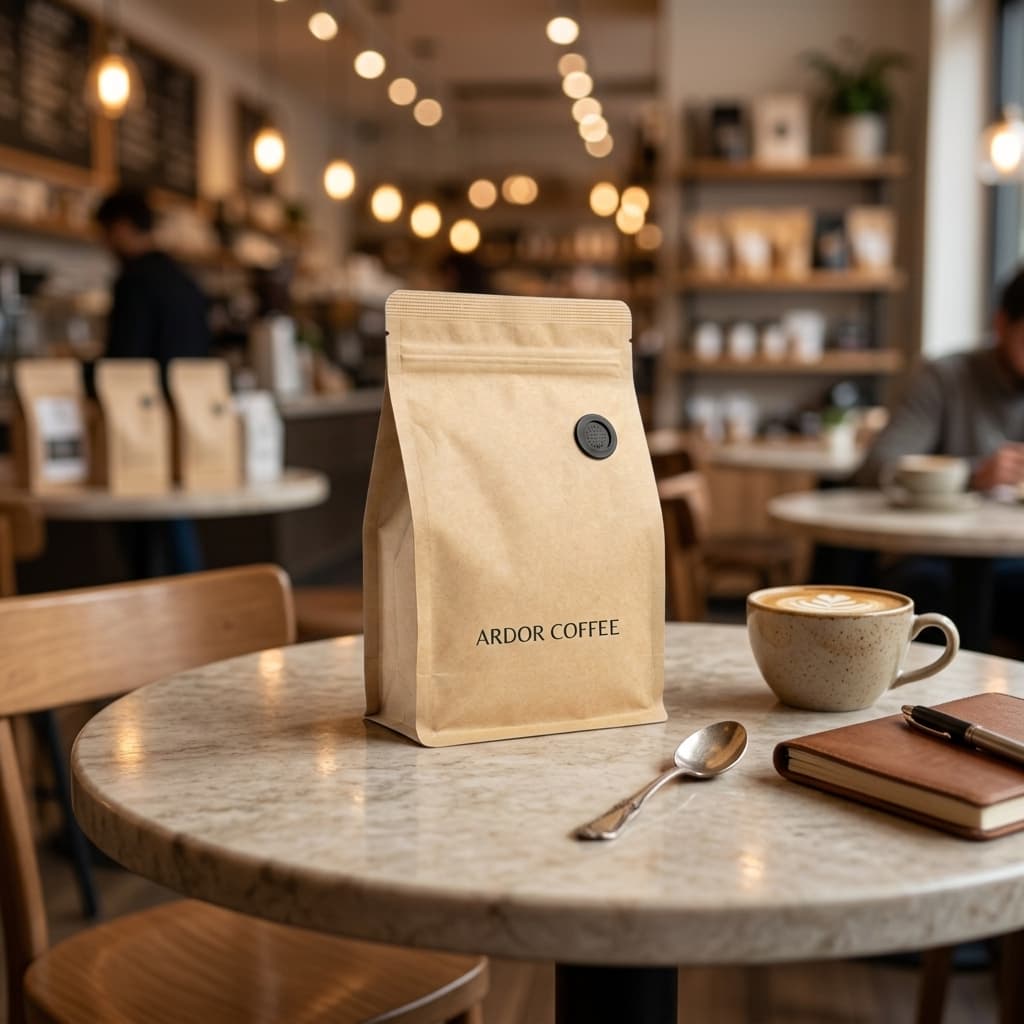
Skincare & Beauty
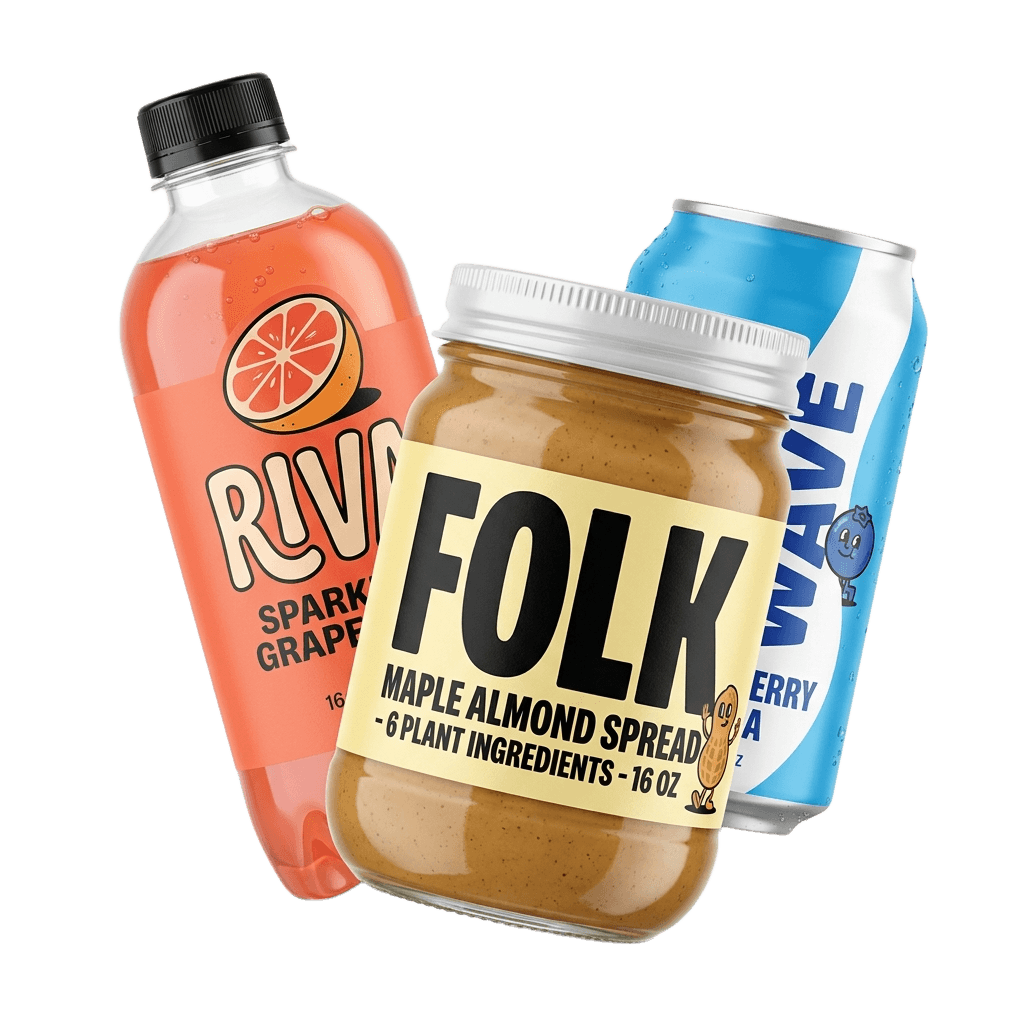
Food & Edibles
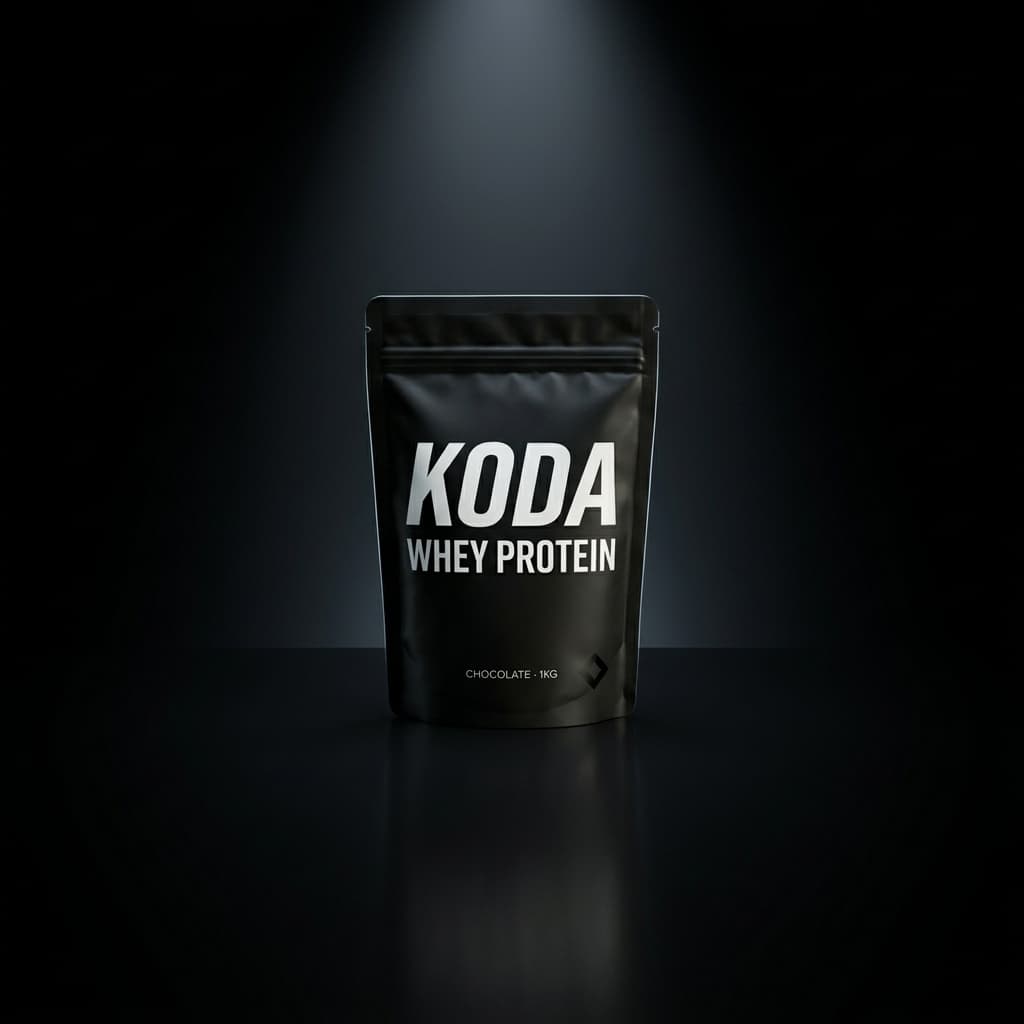
Supplements
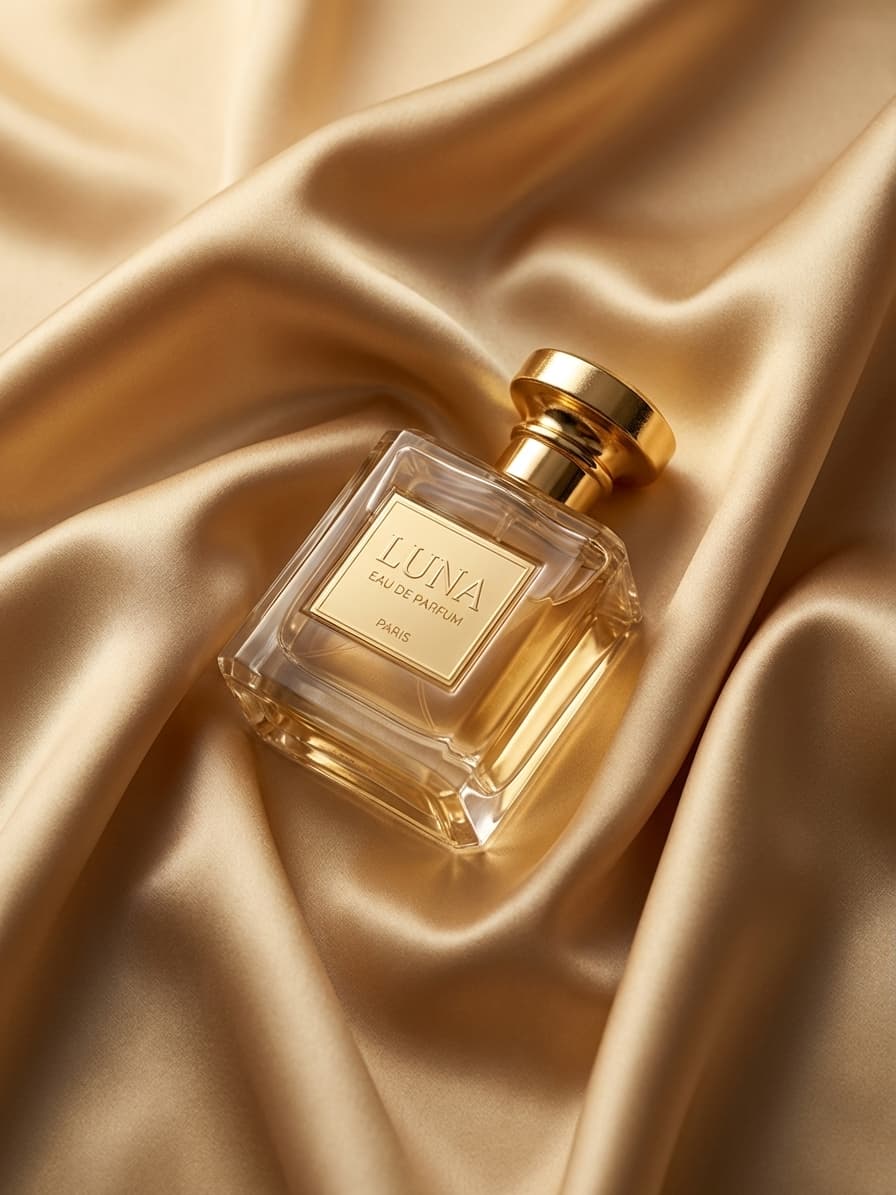
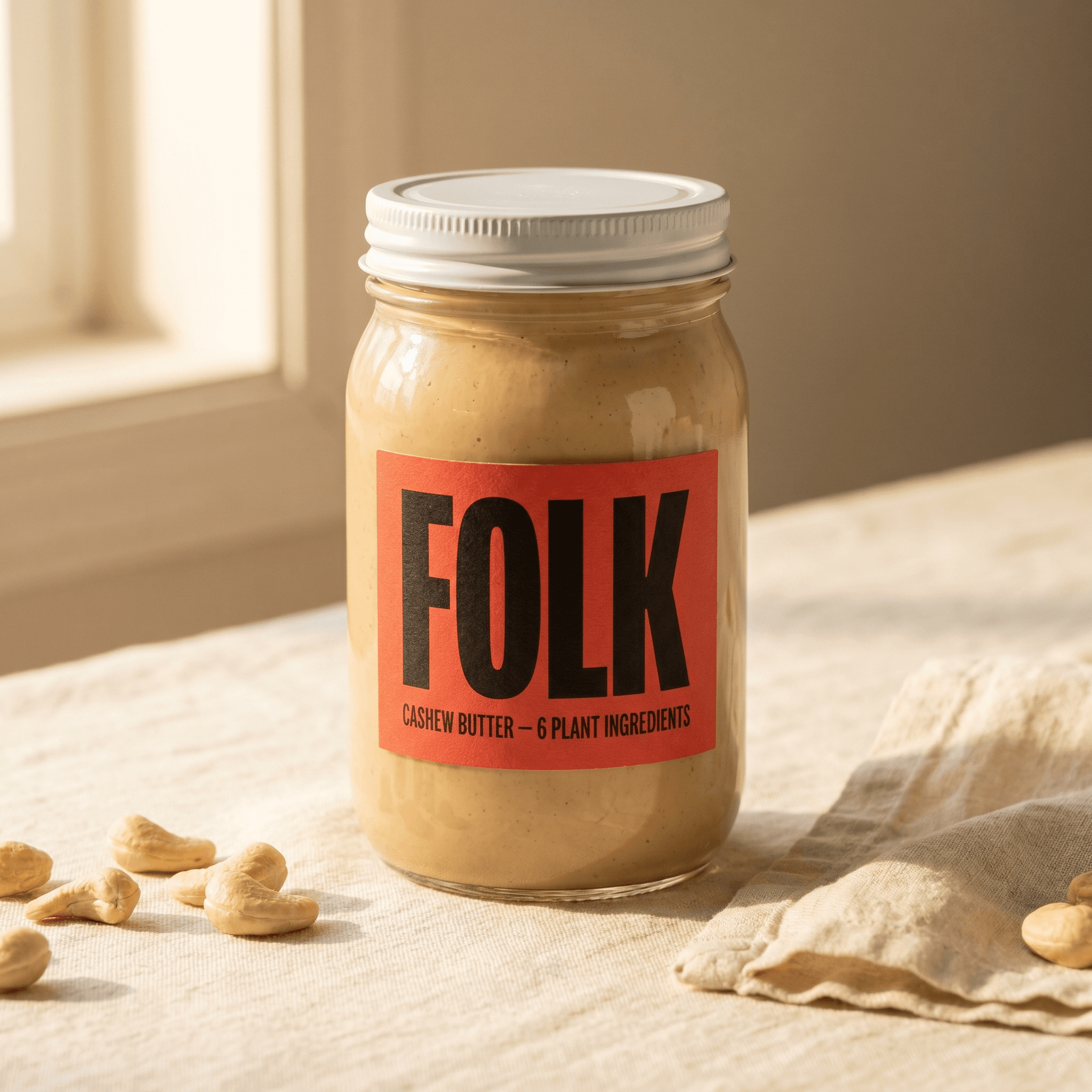
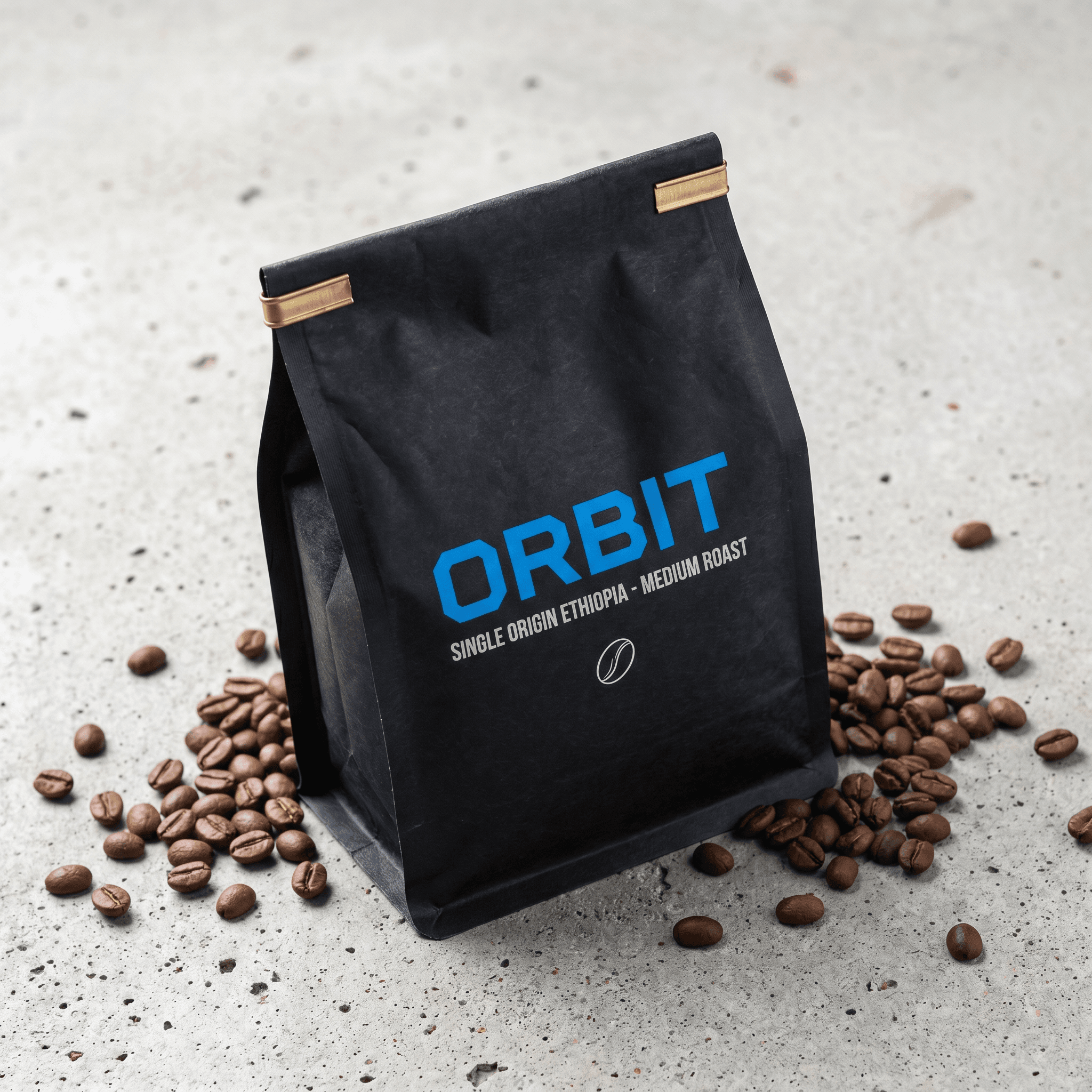
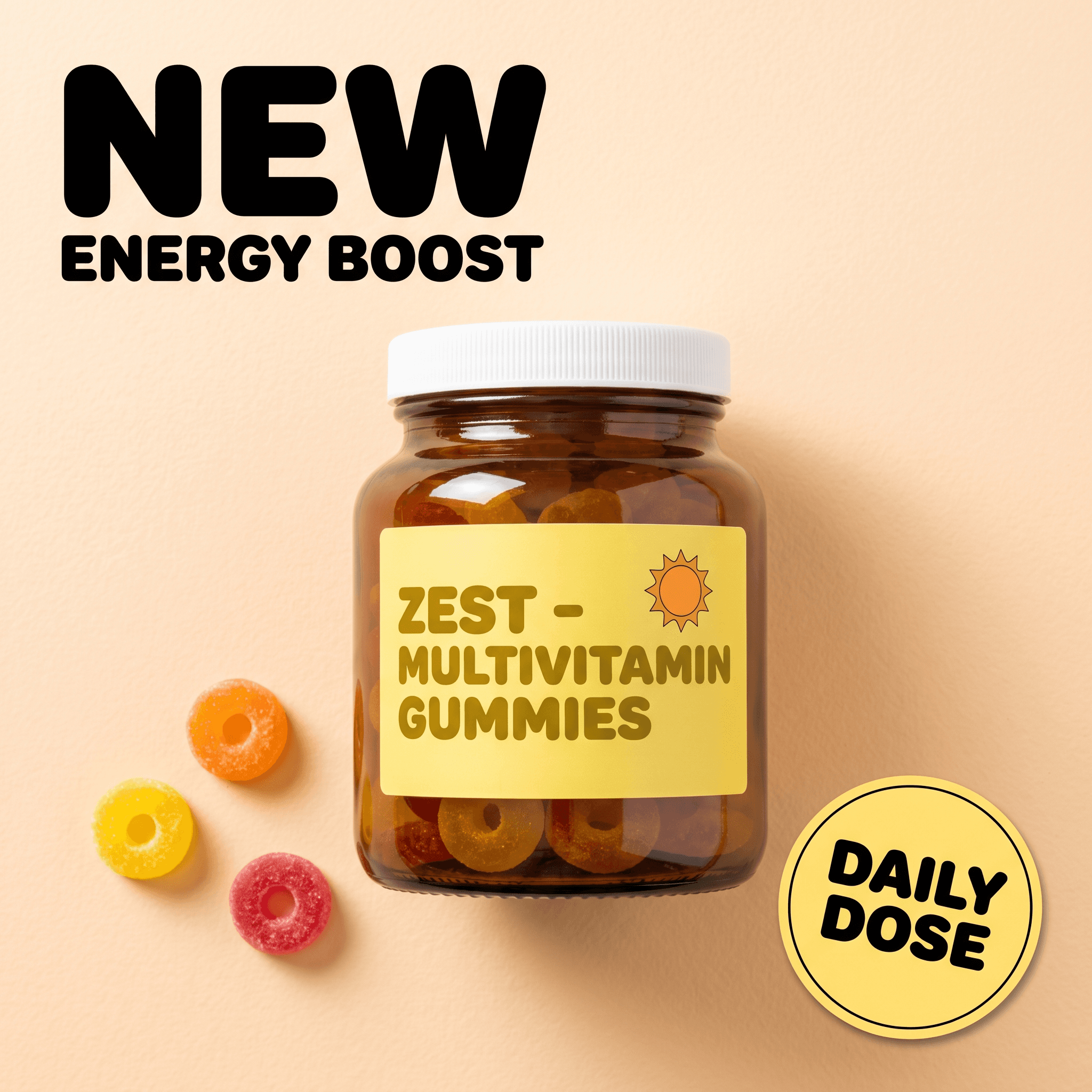
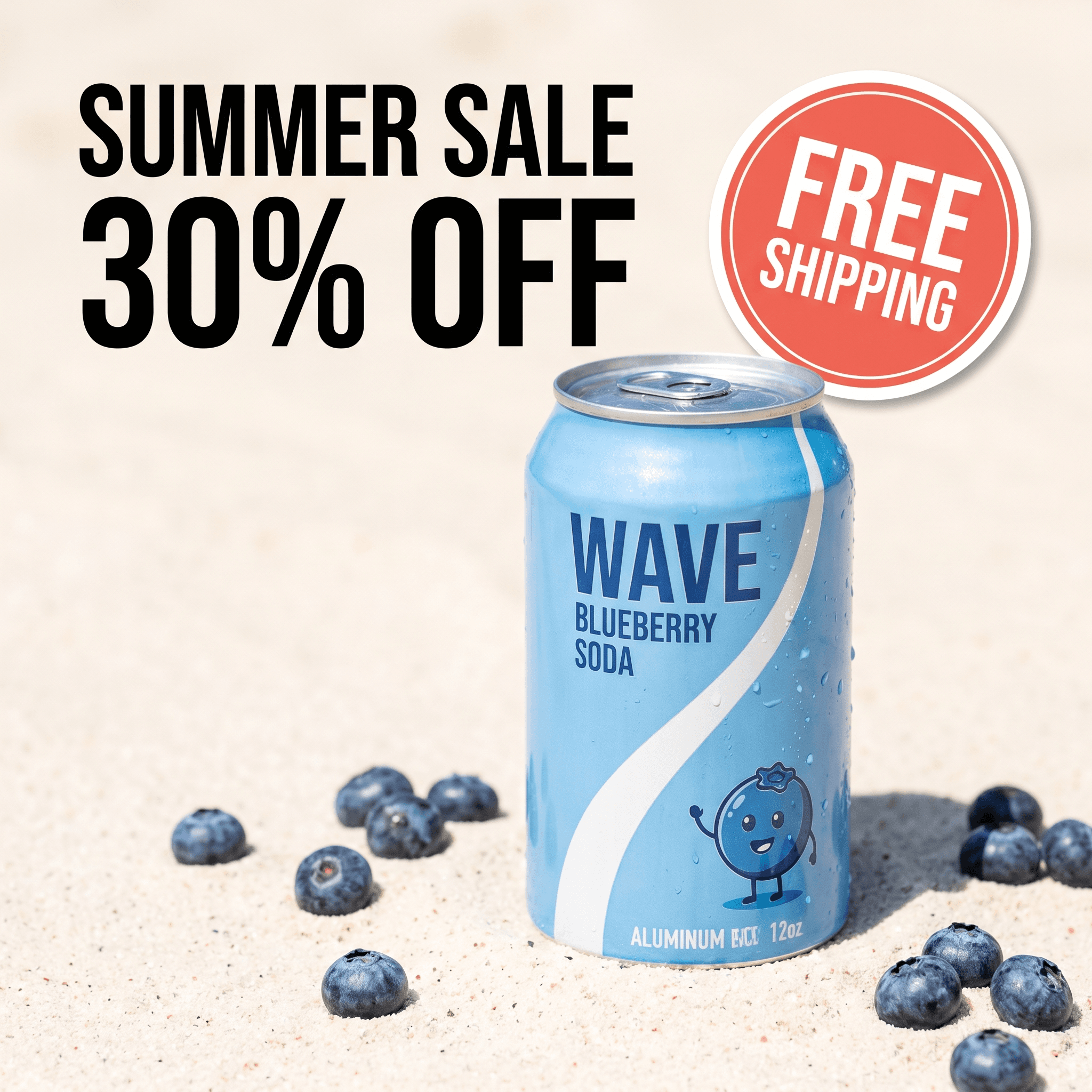
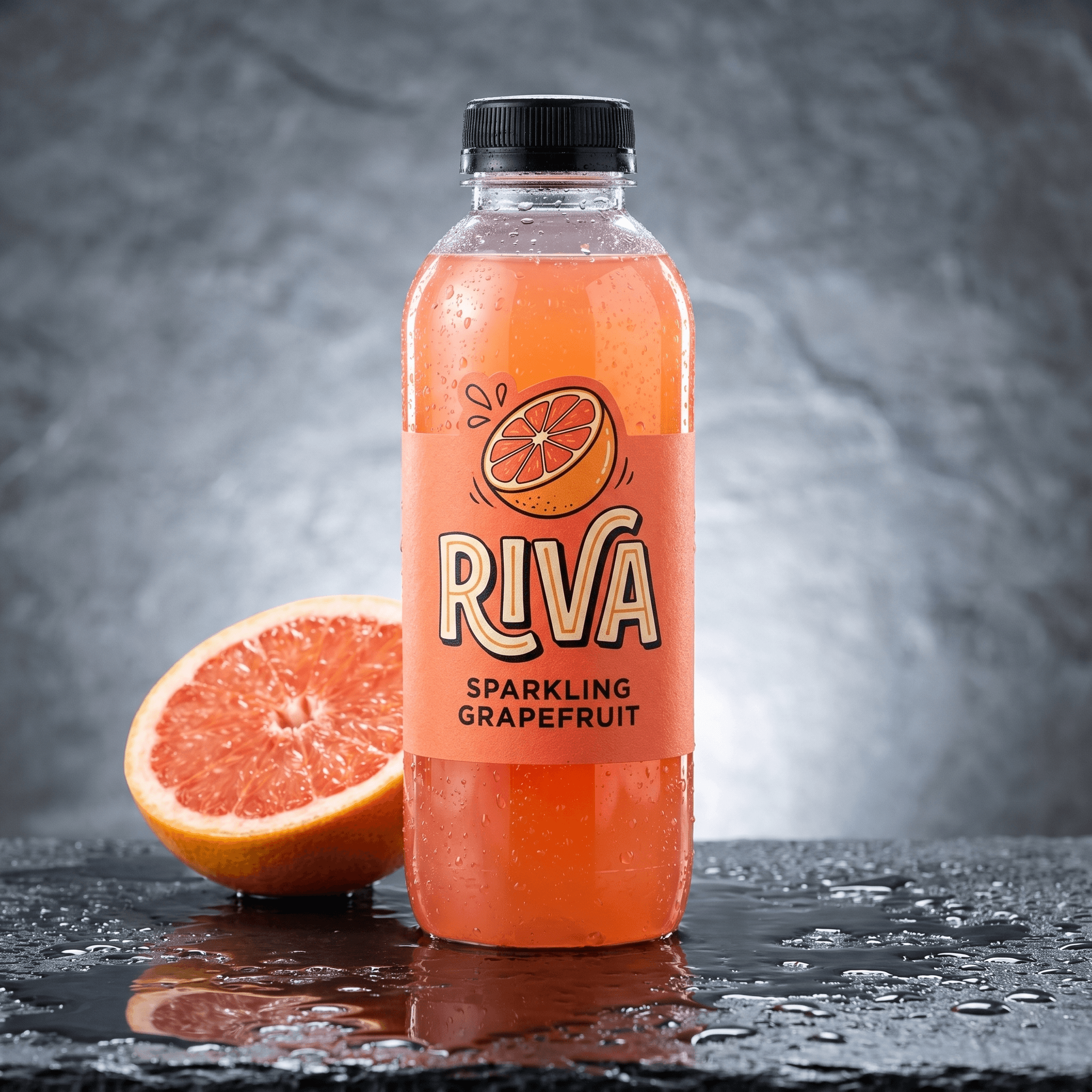
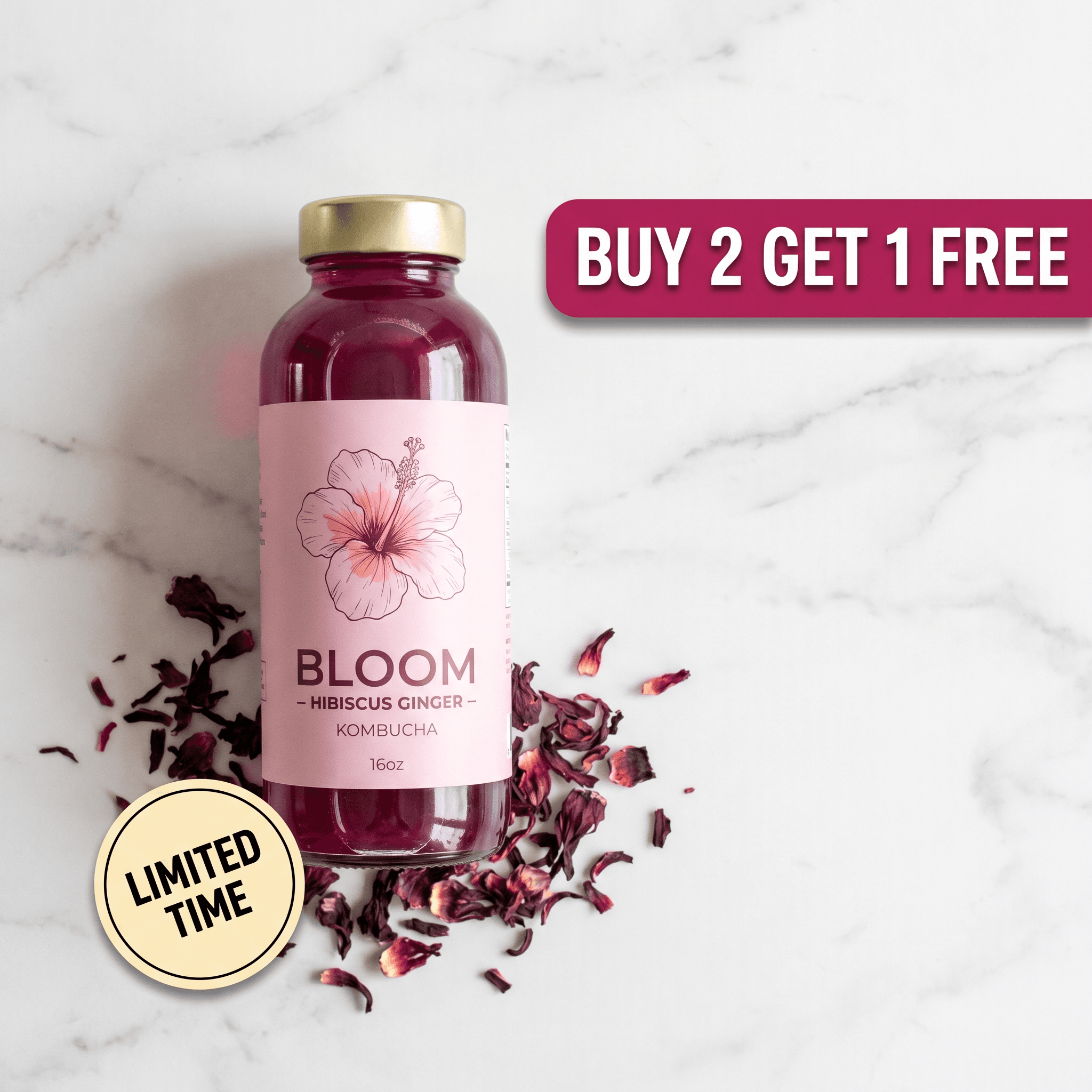
AI-generated product photos across four categories. Each started as a single phone photo.
The Hybrid Approach Most Sellers End Up Using
The most cost-effective setup for a growing ecommerce brand is not a binary choice. It is a hybrid: use a professional photographer once per year for 5-10 “hero” images that anchor your brand identity and paid advertising, then use AI for everything else - all catalog listings, platform variants, seasonal refreshes, and new SKUs.
This approach reduces your annual photography spend from $4,000-$10,000 down to $500-$1,200 (one focused freelance day) plus $180/year for an AI subscription. Total cost: under $1,400 per year for a 30-SKU brand with multiple seasonal campaigns.
It also eliminates the single biggest friction point in traditional product photography: the 3-7 day wait every time you need a new image. With AI handling catalog and listing work, your team can move as fast as your business does.
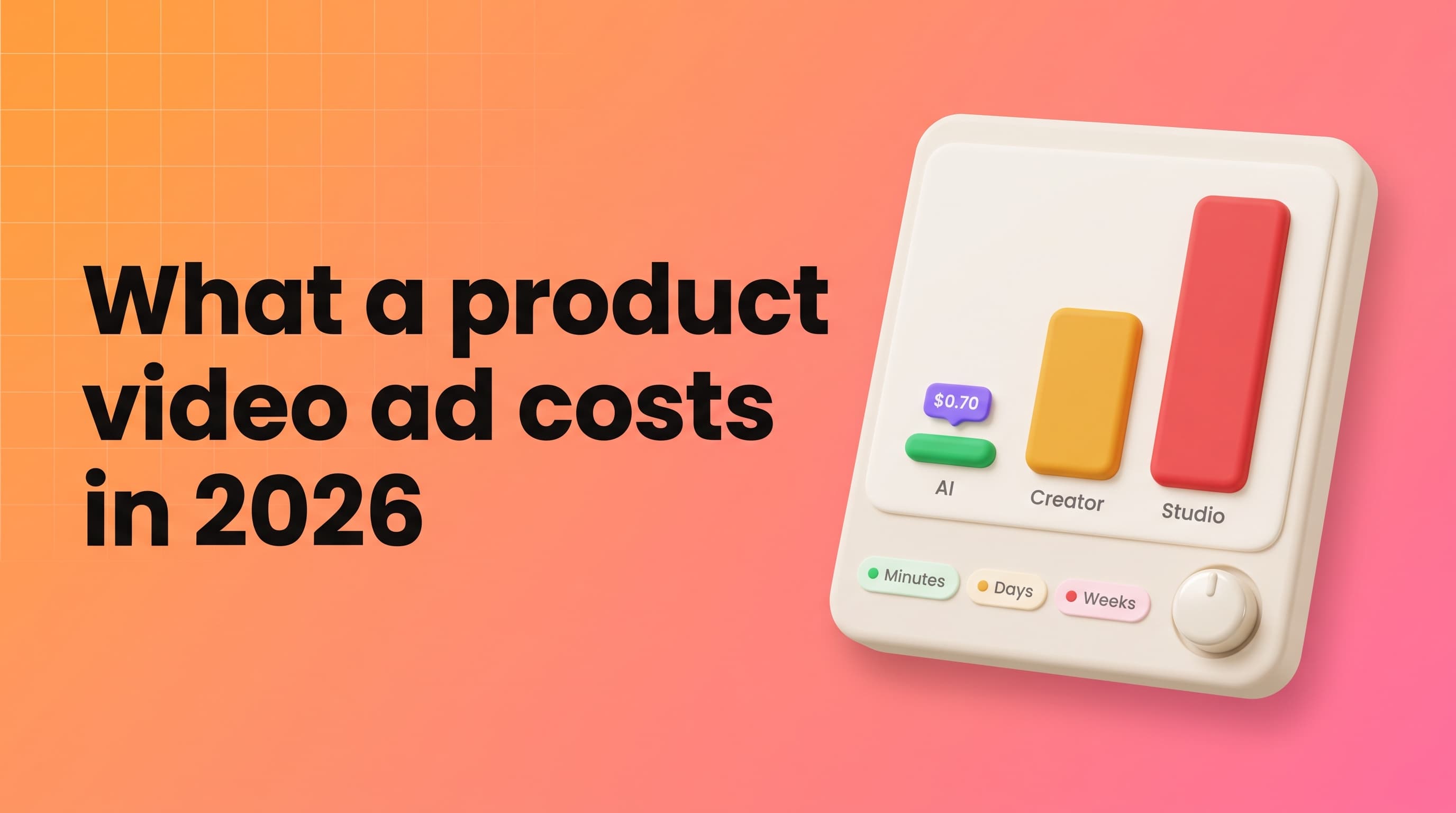
Budgeting for video too? See how much a product video ad costs in 2026 for the same AI vs creator vs studio comparison, priced per video.
Frequently Asked Questions
A freelance photographer charges $50 to $400 per finished image depending on complexity and lifestyle context. A professional studio works out to $100 to $225 per image once you pay the $1,500 to $3,500 day rate and shoot 15 to 25 products. AI tools cost under $0.50 per image, with most platforms offering unlimited generation for a flat $20 to $40 per month.
Yes, by roughly 100x to 800x per image for catalog work. A 30-SKU shop spends $4,000 to $10,000 on a freelance shoot versus $288 per year on a $24/month AI subscription with unlimited generation. The break-even point favors AI from the first product if you need more than five images.
For 5 to 10 hero images per year that anchor brand identity and paid ad campaigns, for textile drape on apparel, for fine jewelry filigree, and for any product where physical macro detail is the buying signal. Most growing brands use a hybrid - one focused freelance day ($500-$1,200) for hero shots plus AI ($180/year) for catalog work. Total: under $1,400/year for a 30-SKU brand.
A studio shoot turnaround is 5 to 14 days including booking, shooting, and post-production. A freelance photographer typically delivers in 3 to 7 days. AI generation takes under 30 seconds per image, and you can regenerate variants for free until the composition is right.
Yes. AI outputs at 1024 px and most tools include an upscaler that takes images to 2000+ px, meeting Amazon's 1000 px minimum, Etsy's 2000 px zoom recommendation, and Shopify's default 2048 px hero size. You can also generate pure-white-background (RGB 255/255/255) images to meet Amazon's main-image rule.
Keep reading
Related articles
AI Product Photography for Food & Beverage Brands
Generate appetite-worthy food and beverage product photos with AI - condensation, steam, lifestyle scenes, and packaging shots. No studio. Conversion-ready images for every SKU in your lineup.
Inspire AI Product Photography - Guide Shoots With Reference Images
Use any inspiration image to direct your AI product photography. Match the exact mood, lighting, and color palette of any reference - then iterate with follow-up prompts until it looks right.
How Much Does a Product Video Ad Cost? 2026 Guide
A product video ad costs $0.70-$7.35 with AI, $175 median from a UGC creator before rights, and $1,000-$10,000 from a studio. Compare the real 2026 totals.