
The best MakeUGC alternative for ecommerce and DTC advertisers is Pixair AI, because it prices every clip on the page, starts from your product photo instead of a stock avatar, and does not run a $1 trial that turns into a $59 charge 72 hours later. MakeUGC sells talking-avatar videos on three plans at $59, $79 and $149 a month, with credits that expire at the end of every month and no published number for what one video actually costs. Pixair renders a 10-second UGC clip with your product in the creator's hand for 98 credits - $4.41 on an annual plan - plus static ad creatives from $0.18 and campaign sets from $0.14, with 30 free credits that need no card and never expire.
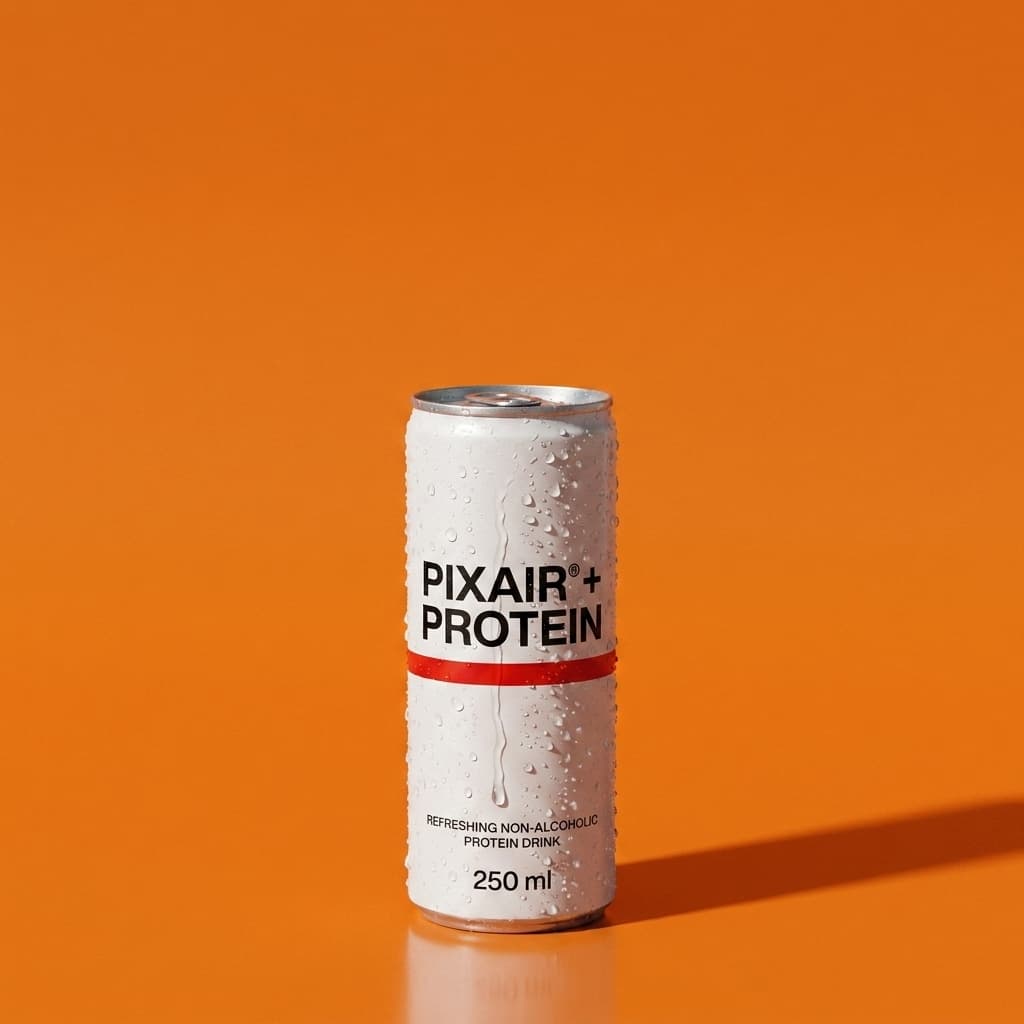
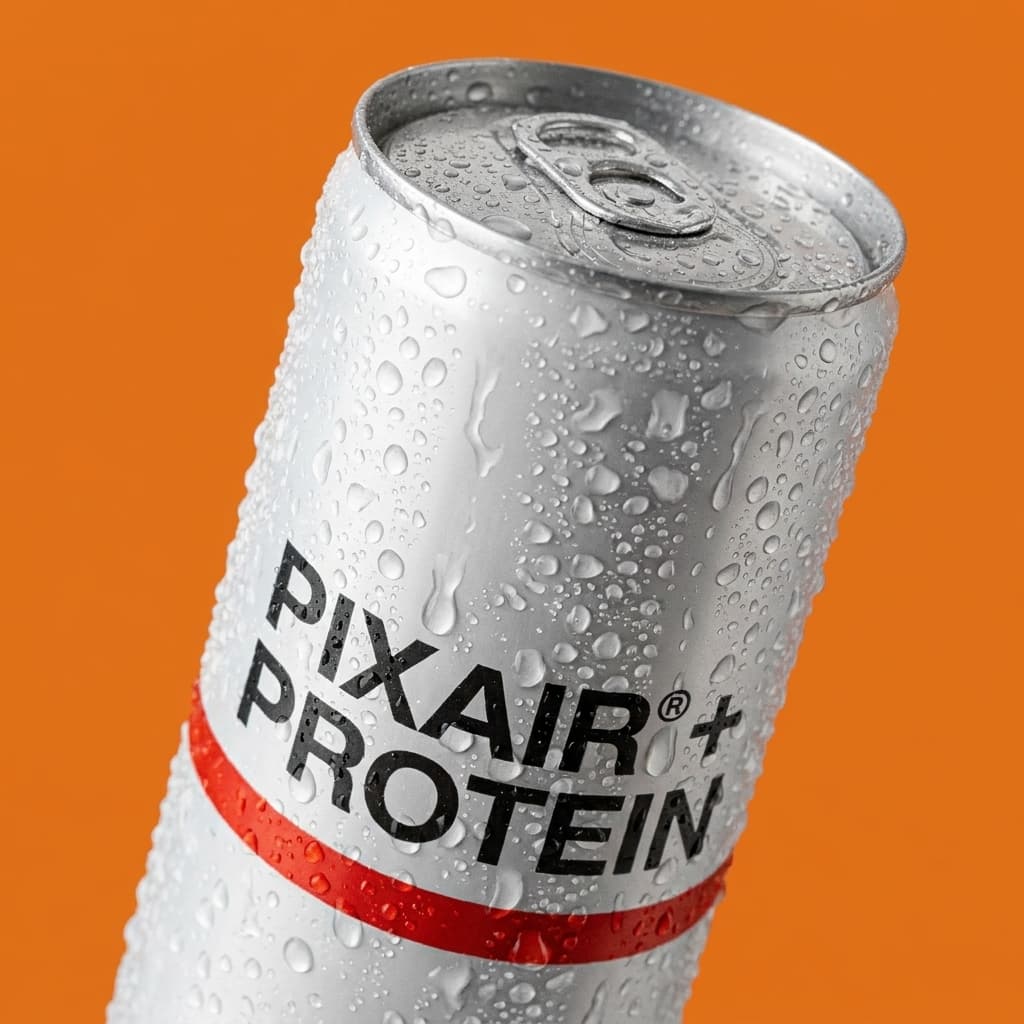
Every clip above started from one uploaded product photo. Hover to play.
Why Are Marketers Looking for a MakeUGC Alternative?
MakeUGC does the thing its name says: it puts an AI creator on camera and has them read your script. The library is large - the site claims 1,000-plus creators and 50-plus languages - and a clip comes back in a couple of minutes. The searches for an alternative are not about the avatars. They cluster around the billing model and the shape of the output.
The $1 trial is a 72-hour fuse. Every plan starts as “$1 for 72 hours”, then renews at the full monthly price - $59, $79 or $149 - unless you cancel inside three days. The pricing page also states that the “Unlimited” generation perks do not activate during the trial, so the three days you are paying $1 for are not the product you would be paying $59 for. At the time of writing Trustpilot sits at 2.8 stars, and the recurring complaint is a charge that landed after the user believed they had cancelled.
Nobody can tell you what a video costs. Plans are sold as 500, 1,000 or 2,000 credits a month. The pricing page does not say how many credits a video consumes; that depends on which actor model and which video model you pick, and the numbers live inside the app. Earlier 2026 versions of the same plans were sold as 5, 10 and 20 videos at $49, $69 and $119 - roughly $6 to $10 a clip - and the vendor's own feature page still promises “under $9” per video. Whatever the real figure is, unused credits expire at the end of each month with no rollover.
Product in hand is a $149 feature. Getting your actual product into the creator's hands - the single thing that separates a UGC ad from a stock talking head - is listed only on the Pro plan. On Startup and Growth the avatar talks about a product it is not holding. For skincare, supplements, beverages and anything else sold on its packaging, that is the whole ad missing.
One format, delivered raw. The output is a talking-avatar clip and nothing else: no static ad creatives, no campaign sets, no product-only scene video, and reviewers consistently note there is no timeline, no music swap and only basic captions. Most Meta accounts still spend the majority of budget on statics, so a MakeUGC subscription is the second tool in your stack, not the first.
How Much Does MakeUGC Cost in 2026?
As of September 2026 the pricing page lists Startup at $59 a month for 500 credits, Growth at $79 for 1,000 credits, and Pro at $149 for 2,000 credits. Product-in-hand videos, the Video Agent and PDF-to-video are Pro only. Two API tiers sit alongside at $99 and $299. Every consumer plan is entered through the same $1, 72-hour trial that renews automatically.
The number the pricing page does not print is what the trial actually costs once it runs its course. Here is the first-year total for each plan if you sign up and simply leave it running, next to the Pixair plan that covers the same job:
| Timeline | MakeUGC Startup | MakeUGC Growth | MakeUGC Pro | Pixair Pro | Pixair Business |
|---|---|---|---|---|---|
| Day 1 | $1 | $1 | $1 | $0 (30 credits) | $0 (30 credits) |
| Day 4 | $60 | $80 | $150 | $0 | $0 |
| Month 3 | $178 | $238 | $448 | $72 | $177 |
| Month 12 | $709 | $949 | $1,789 | $216 | $540 |
| Credits in year one | 6,000 | 12,000 | 24,000 | 4,800 | 12,000 |
| 10s UGC clips in year one | Not published | Not published | Not published | 48 | 122 |
| Product in hand | No | No | Yes | Yes | Yes |
Pixair figures use monthly billing for the month-3 row and annual billing for the year row ($18 and $45 a month), which is how most accounts end up paying. The gap on the last two rows is the point: MakeUGC Growth and Pixair Business hand you the same 12,000 credits across a year, at $949 against $540, and only one of them tells you in advance that a 10-second clip is 98 of those credits.
Put the same $59 side by side and the shape is clearer still. MakeUGC Startup is $59 for 500 credits and an unpublished number of avatar videos with no product in hand. Pixair Business on monthly billing is also $59, for 1,000 credits: ten 10-second UGC clips with the product in frame, or 250 static ad creatives, or 333 campaign ads, or the mix a real ad account runs - five clips and 127 statics. That is the whole creative slate for a month, not one format of it.
Is MakeUGC Free?
No. There is no free plan and no free trial. The entry point on every tier is $1 for 72 hours, billed to a card, after which the plan renews at $59, $79 or $149 a month. The pricing FAQ is explicit that the subscription auto-renews each cycle, that credits do not roll over, and that the Unlimited generation perks only switch on once the first full billing cycle starts - so the trial period is a reduced version of the product.
Pixair gives 30 credits free for life, with no card and no expiry. Video needs a paid plan - the Starter plan is $7 a month with 100 credits - but the free credits cover seven static ad creatives, ten campaign ads or five custom creator portraits, which is enough to see whether the tool holds your label steady before you spend anything. If you want the same trial-terms breakdown for the other tool in this space that hides a fee, the Zeely AI pricing teardown covers a 12% ad-spend charge that works the same way.
What Does Pixair Do That MakeUGC Cannot?
MakeUGC is an avatar engine. Pixair is the creative department around it. Everything below has no MakeUGC equivalent on any plan, or is gated to the $149 tier there.
Product in hand on every plan
You upload the product photo first and the clip is built around that still. The creator is holding the real pack in the opening frame, label readable, colours yours. There is no separate product-in-hand tier because it is not a feature - it is how the generation starts. Read the UGC ad creatives guide for the full workflow and hook patterns.
Static ad creatives at $0.18 each
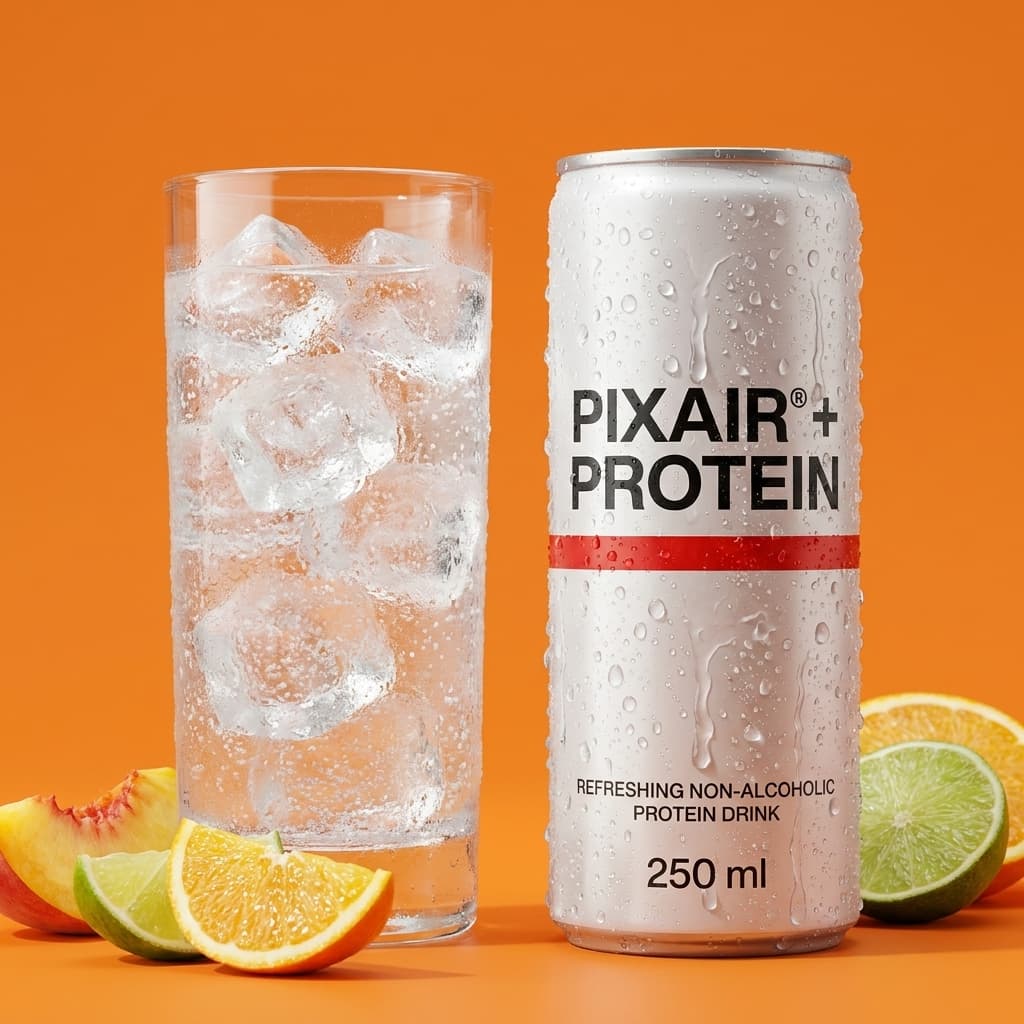
Styled art-direction presets - benefit callouts, clinical mono, splash and pour shots - render fresh around your product photo at 4 credits each. This is the half of a Meta account MakeUGC does not touch, and it ships in the same plan as the video.


Three presets, one product photo, 12 credits for the set. MakeUGC has no static output at any tier.
A 30-second single-take engine with native audio
The standard UGC engine renders up to 10 seconds at 98 credits. When the script needs room - a three-beat demo, a before-and-after - the Seedance 2.5 engine renders up to 30 seconds as one continuous take with lip-synced audio, from 331 credits for ten seconds at 720p. Both are on the same plan, priced per second, and the Seedance guide shows real clips from each.
Matched campaign sets at $0.14 per ad
Campaign presets generate a coherent multi-ad set in one run at 3 credits per ad, so the statics around your video share its art direction instead of looking like six unrelated one-offs.
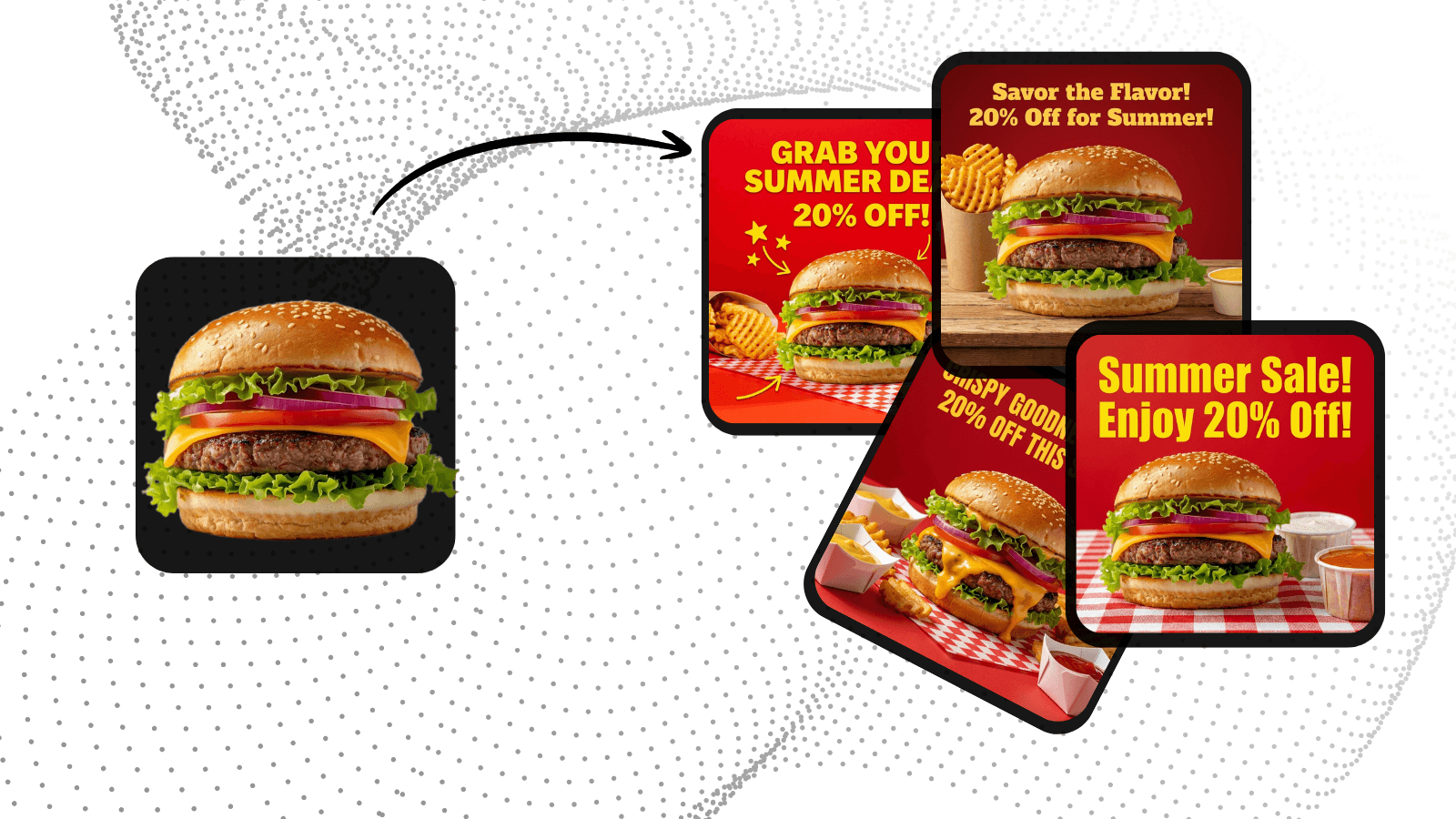
AI Canvas rebuilds any winning ad
Feed the node-based workflow builder your product photo, one or two reference creatives you found in the wild, and a short brief. It crafts the prompt, fans out variations, and saves as a workflow you rerun for the next product. MakeUGC has no reference-driven surface at all - every video starts from a blank script box.
Custom creators for 6 credits
The built-in library has 100-plus creators across beauty, fitness, wellness, food, tech, pets and finance, and you can generate your own creator from a photo for 6 credits - about $0.27 - on Pro and Business. MakeUGC lists custom avatars on its top tier only.
Captions and the production utilities are included
Burned-in captions are 9 credits per minute of video, background removal is 1 credit, HD upscale is 2, and expanding a crop to a new placement ratio is 4. These are the steps between a raw clip and a shippable ad, and the most common complaint about MakeUGC output is that they are missing.
Every price is on the page before you run it
Free, $7, $24 and $59 a month on monthly billing, $5, $18 and $45 annually, and the credit cost of every operation shown next to the button that runs it. You never need to start a trial to find out what a clip costs.
MakeUGC vs Pixair AI: Side by Side
MakeUGC
Script to AI avatar video

Product photo to full ad set
MakeUGC
Script to AI avatar video
Product photo to full ad set
Entry price
$1 for 72h, then $59/mo
Free, then $7/mo
Free plan
None
30 credits, no card, no expiry
Cost per 10s UGC clip
Not published
98 credits - $4.41
Product in hand
Pro plan only ($149/mo)
Every plan, from frame one
Static ad creatives
Not offered
$0.18 per ad
Multi-ad campaign sets
Not offered
$0.14 per ad
Max clip length
Per model, in-app
10s standard, 30s single take
Unused credits
Expire monthly
Free credits never expire
Custom creators
Top tier only
6 credits on Pro and Business
Reference-driven workflows
Not offered
AI Canvas, saved and rerun
Captions, upscale, background removal
Basic captions only
1 to 9 credits, built in
How Do You Replace a MakeUGC Video in Pixair?
The workflow inverts. Instead of picking an avatar and pasting a script into it, you start from the product and decide who holds it and what they say.
Upload one clean product photo
Whole product in frame, label readable, shot against a contrasting surface. A white product on a white background is the most common cause of drift because there is no clean edge to lock onto.
Pick a creator and paste your script
Choose from the library by niche, or generate a creator from a photo. Your MakeUGC scripts port over as-is - a written script is spoken verbatim, so the hooks you already know convert do not need rewriting. Start with the six hook mechanisms if you are testing new ones.
Render three hooks, keep one
Three 10-second variants cost 294 credits - $13.23 on an annual plan. Watch which one holds attention past three seconds in a small-budget ad set, then re-render only the winner as a 20 or 30-second single take if the script needs the room.
Caption it and pair it with statics
Burn in captions for 9 credits, then run a campaign preset off the same product photo so the statics in the ad set share the video's art direction. Size the statics for Stories and Reels using the 9:16 safe-zone rules before you push the batch live.
Who Should Stay on MakeUGC?
Two profiles. If you localise the same talking-head ad into a dozen languages a week, MakeUGC's 50-plus language list and batch mode are built for that and Pixair is not. And if you run an app, a service or an info product where nothing physical needs to be on screen, the product-in-hand gap does not cost you anything.
Everyone selling a physical product through Meta or TikTok is paying for a talking head that is not holding the thing they sell, plus a second tool for the statics. That is the profile the rest of this post is written for. For a script-first competitor with published prices, the Arcads comparison runs the same math at $11 a clip, and the Creatify comparison covers the watermarked free plan and the $39 to $99 jump.
Four Things to Do Before You Switch
Cancel before hour 72, not day 3
The trial is measured in hours from signup, not calendar days. If you started at 9pm on Monday, the renewal fires at 9pm on Thursday. Cancel from account settings on Wednesday and keep the confirmation email.
Spend the credits you have paid for
Credits expire at the end of the billing month with no rollover. If you are mid-cycle, render every script you have queued before the reset rather than leaving a balance behind.
Export every MP4 you still run
Download the clips that are live in Ads Manager while the account is active. Assets left inside a lapsed subscription are the most avoidable loss in this category.
Rebuild your top creative first
Take the one MakeUGC clip with the best thumb-stop rate, upload the same product photo to Pixair, paste the same script, and run the two head to head in one ad set. Decide on the numbers, not the demo reel.
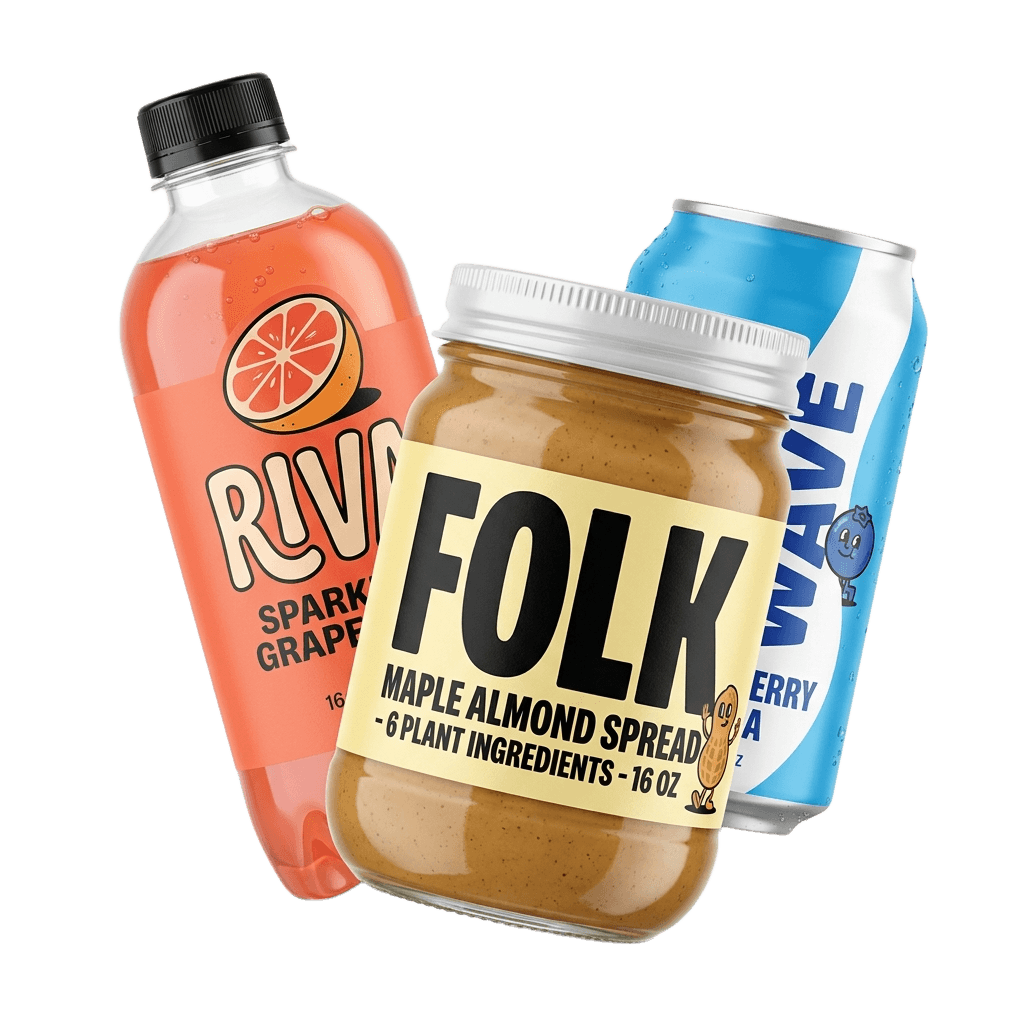
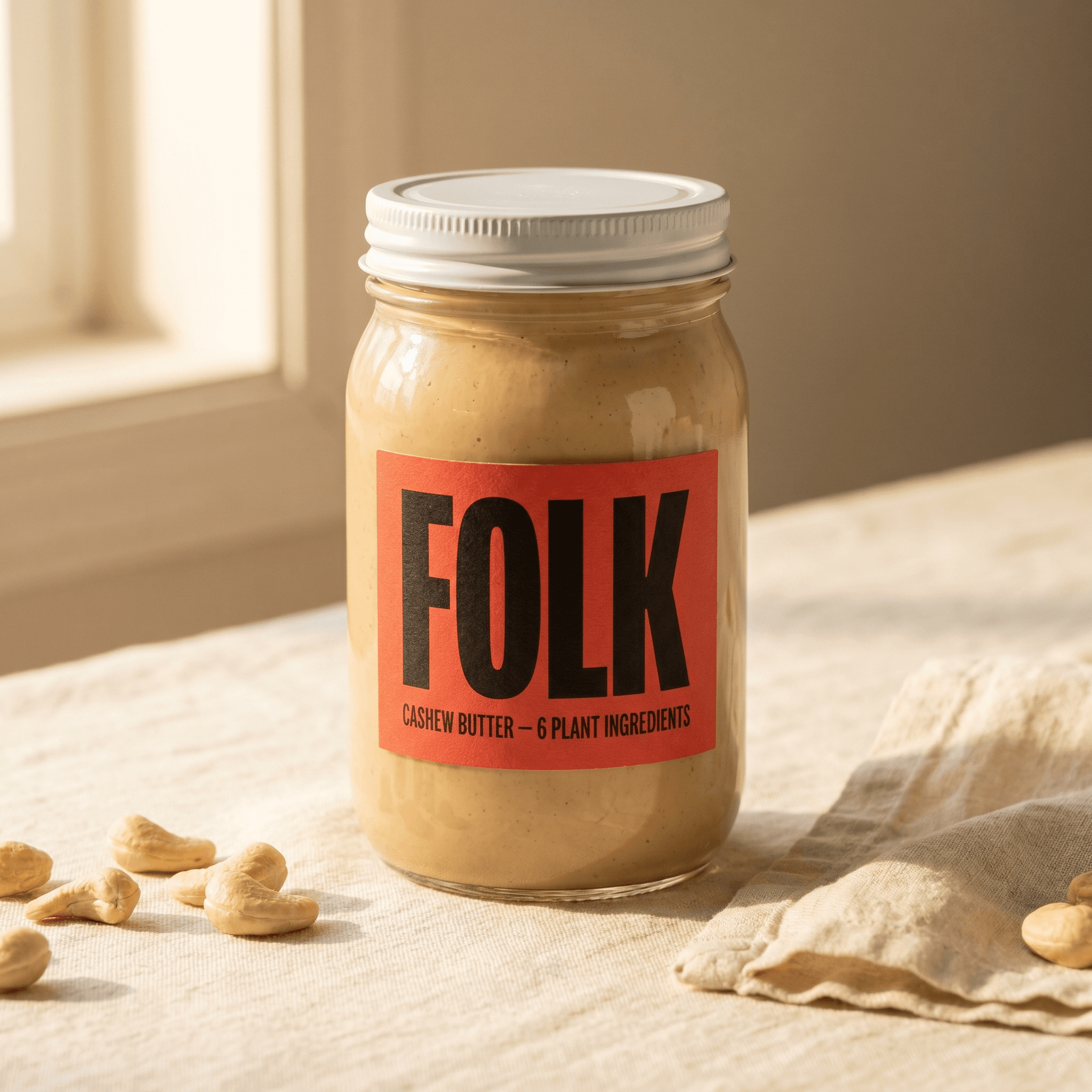
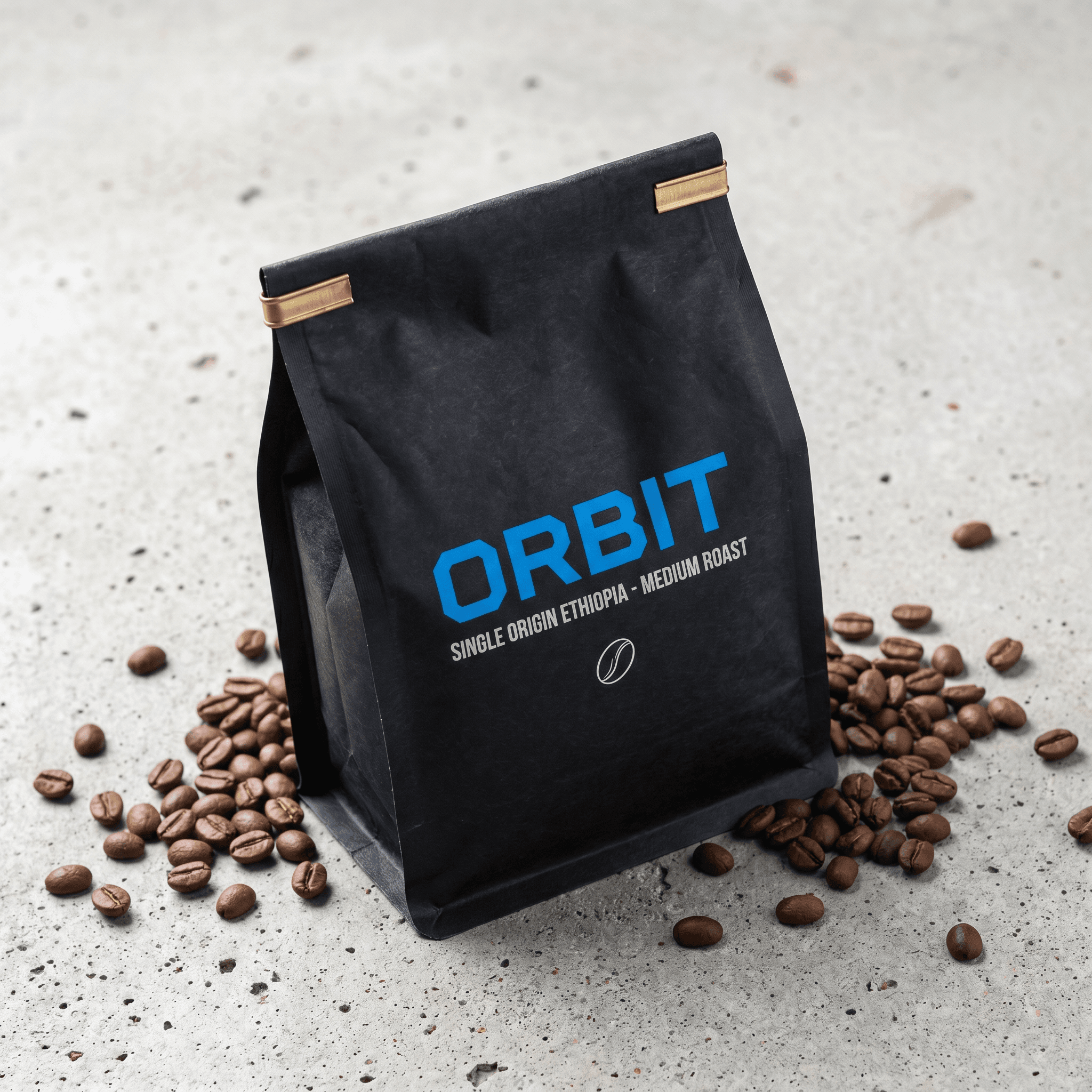
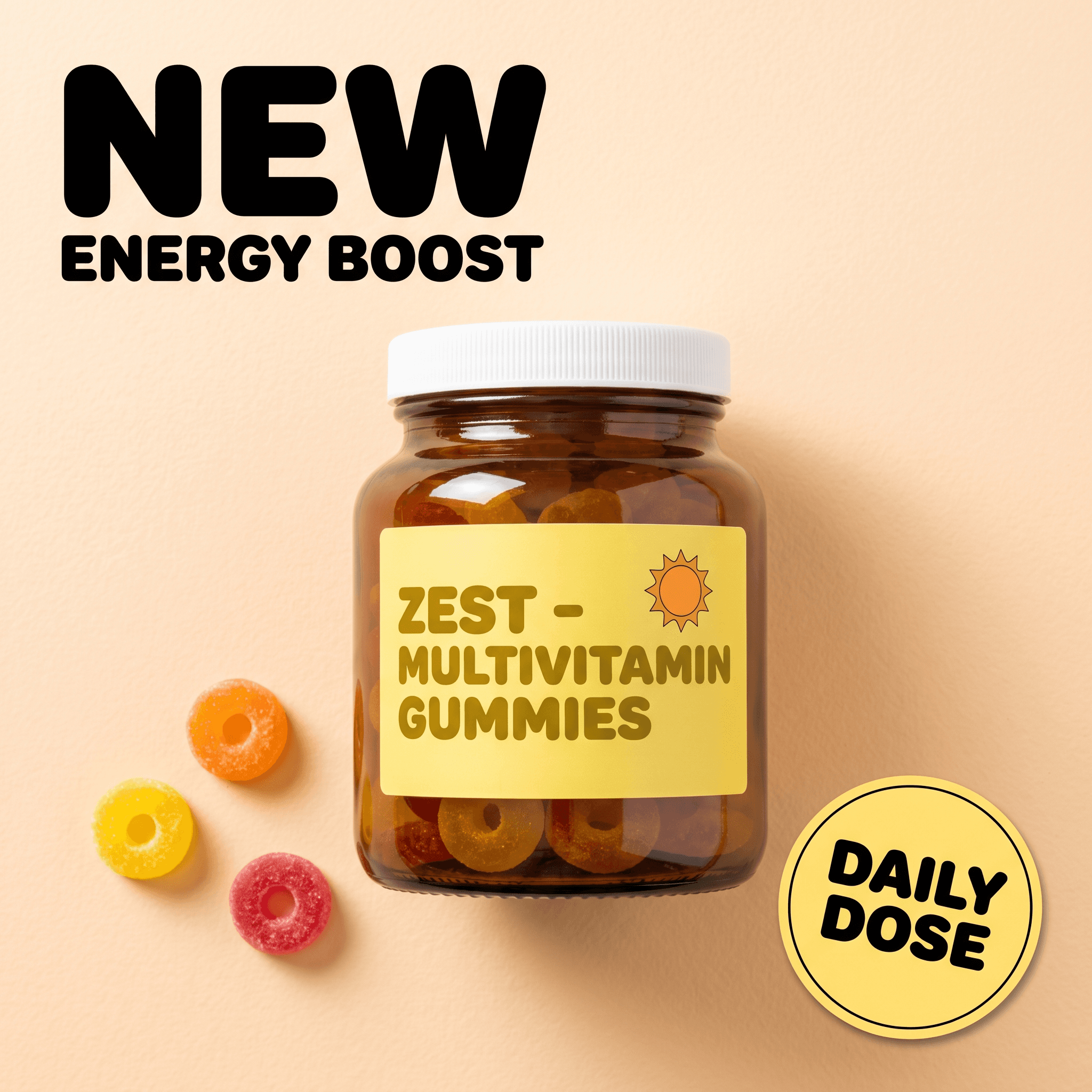
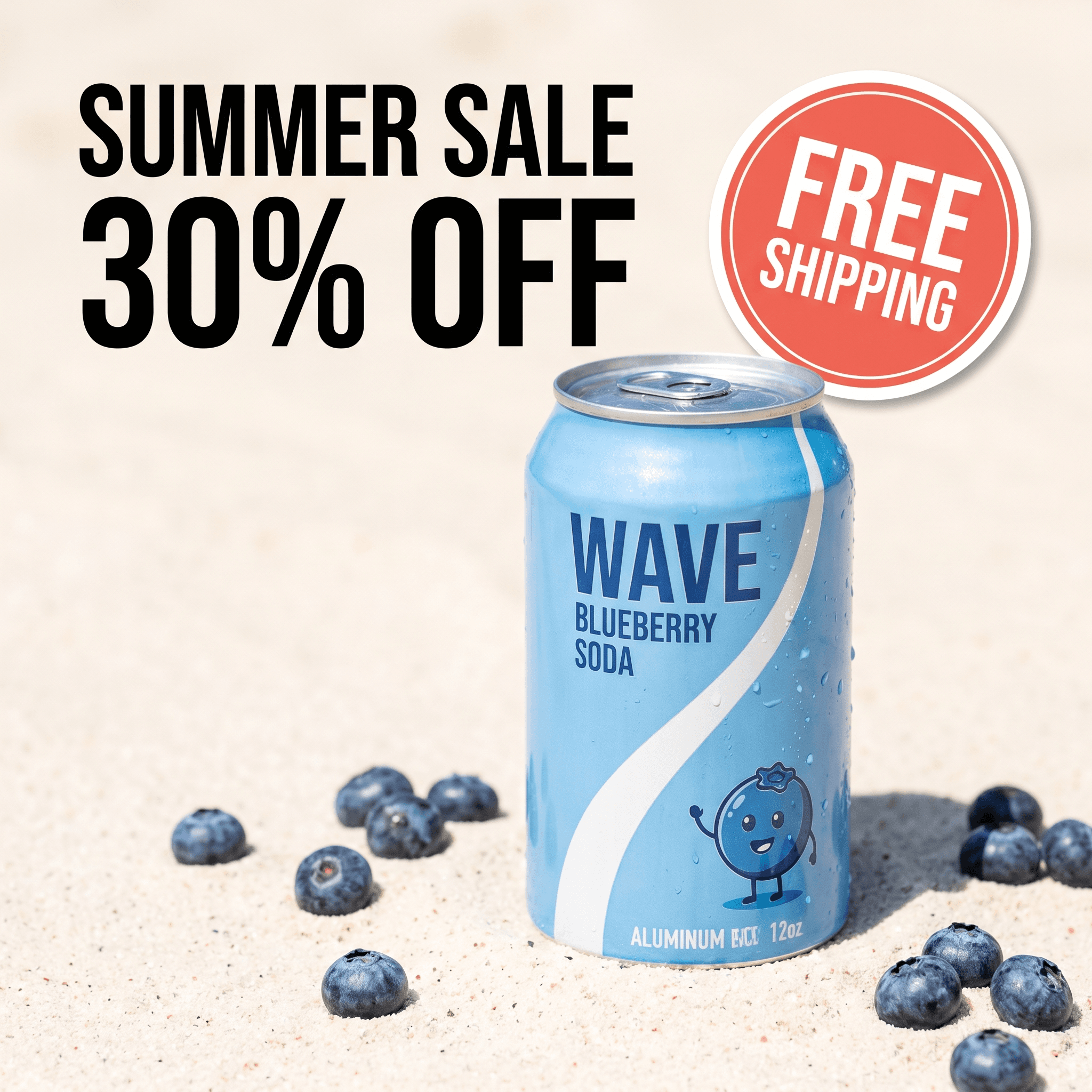
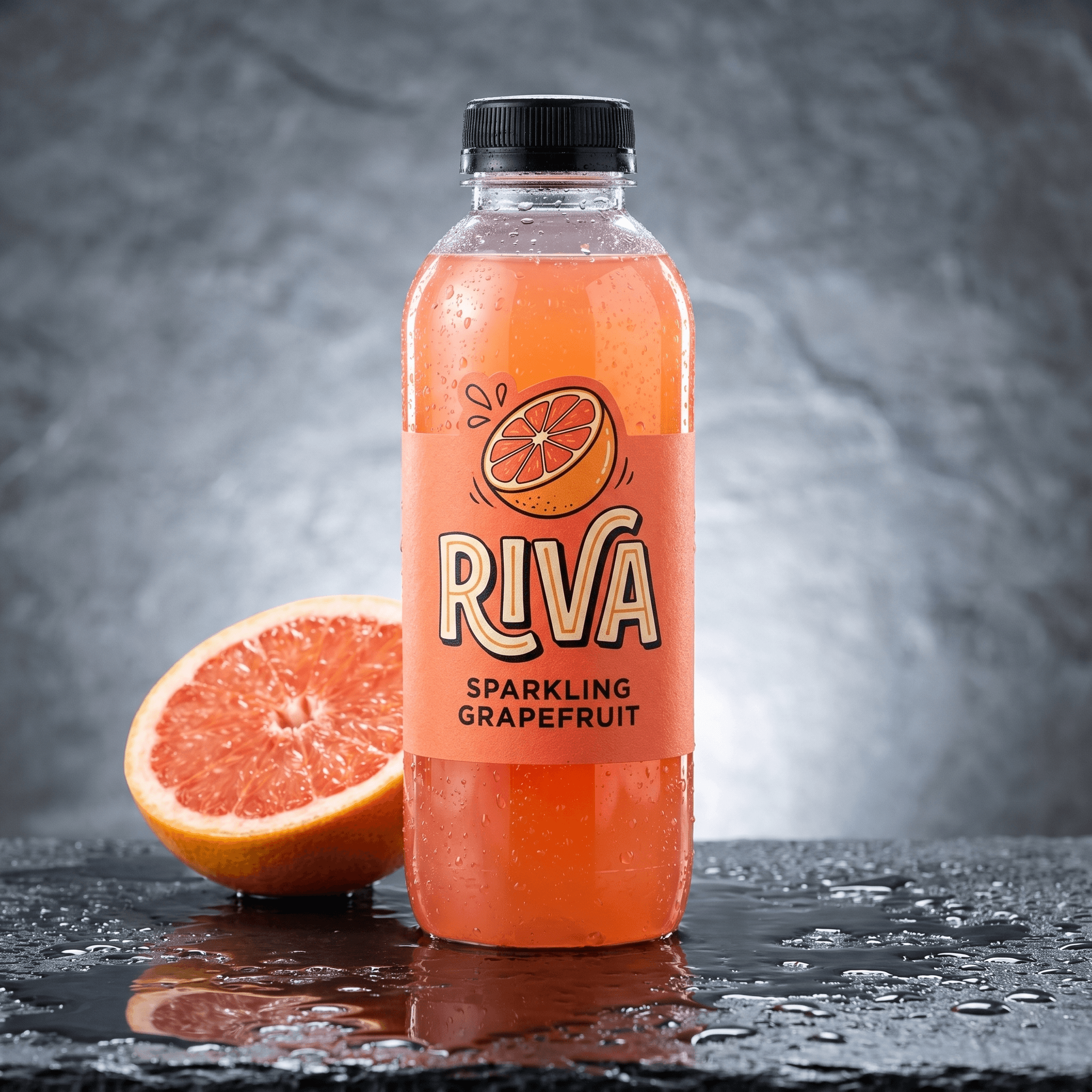
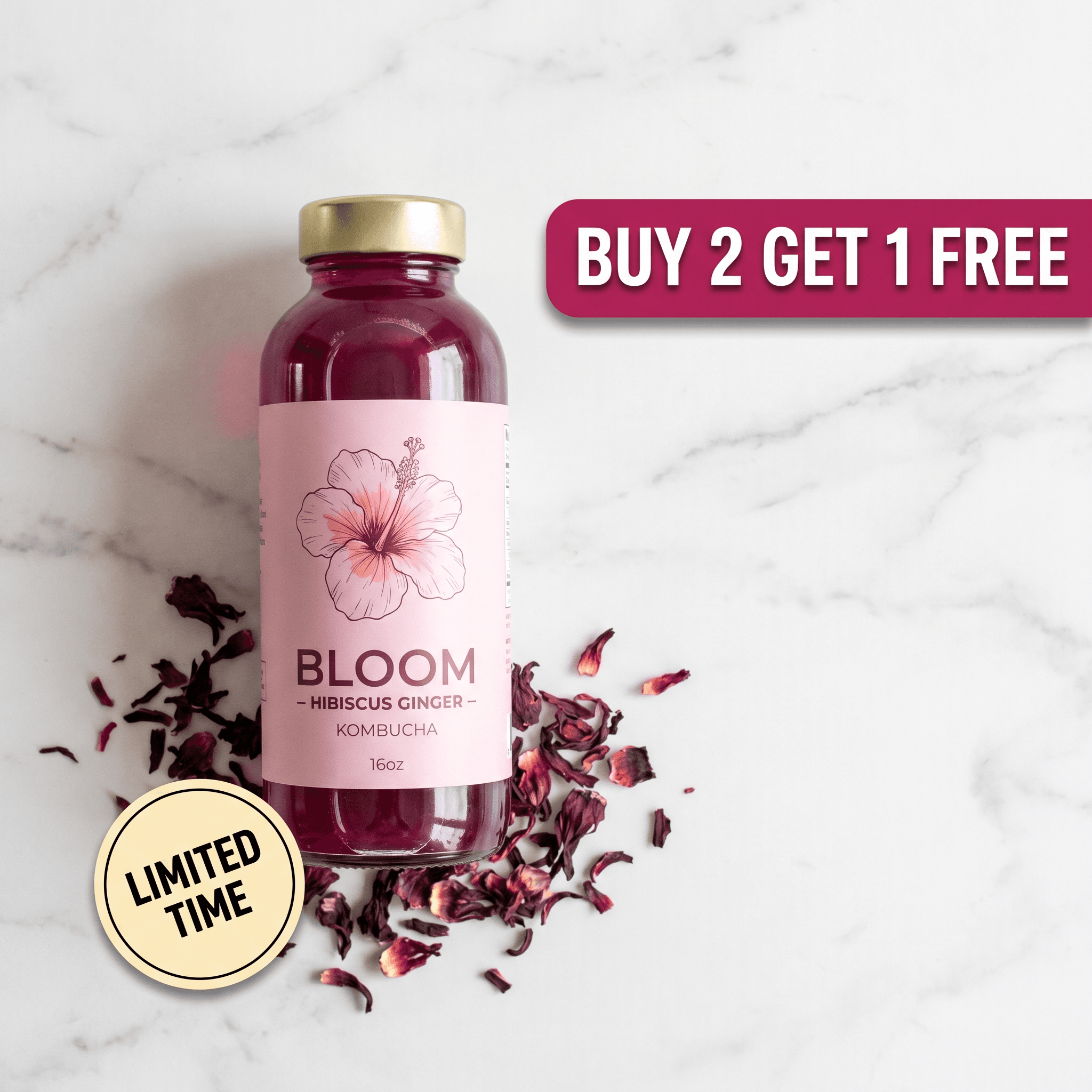
Ten UGC clips for $45, product in hand.
No $1 trial, no credits that vanish.
Start with 30 free creditsFrequently Asked Questions
Pixair AI is the strongest alternative for ecommerce and DTC advertisers because it starts from your product photo, puts the product in the creator's hand on every plan, and prices each clip on the page: a 10-second UGC video is 98 credits, about $4.41 on an annual plan. It also generates static ad creatives at $0.18 and matched campaign sets at $0.14 per ad, which MakeUGC does not offer at any tier. There are 30 free credits with no card and no expiry. For high-volume multilingual talking-head output with no product on screen, MakeUGC Growth at $79 a month remains a reasonable fit.
As of September 2026, MakeUGC lists three plans: Startup at $59 a month for 500 credits, Growth at $79 for 1,000 credits, and Pro at $149 for 2,000 credits, with product-in-hand videos limited to Pro. API plans are $99 and $299. The pricing page does not state how many credits one video consumes - that depends on the actor and video model chosen inside the app - and unused credits expire at the end of each month without rolling over.
No. MakeUGC has no free plan and no free trial. Every plan starts with a $1 trial that lasts 72 hours and then renews automatically at the full monthly price of $59, $79 or $149, and the pricing FAQ states that the Unlimited generation perks only activate after the trial ends. Pixair AI is the nearest free entry point, with 30 lifetime credits that need no card - enough for seven static ad creatives or ten campaign ads.
Yes. The trial converts to a paid subscription 72 hours after signup and renews every billing cycle until you cancel from account settings. The window is measured in hours, so a Monday evening signup renews on Thursday evening, not Friday. Cancel at least a day early and keep the confirmation email, because unauthorised-charge complaints are the most common theme in MakeUGC's 2.8-star Trustpilot reviews.
In Pixair, yes on every plan - you upload the product photo first and the clip opens with the creator holding the real pack, label readable. On MakeUGC the product-in-hand feature is listed only on the $149 Pro plan; on Startup and Growth the avatar talks about a product it is not holding. For skincare, supplements, beverages and other packaged goods, the pack shot is usually the whole ad.
If your ads need the product on screen and your budget needs to survive a testing cycle, a $1 trial into a $59 charge for a talking head is the wrong shape. Start free with 30 credits and rebuild one of your current ads, or read how a single product photo becomes a video ad before you pick a format.
Keep reading
Related articles
Best Creatify Alternative 2026: Free, No Watermark, From $7
Creatify starts at $39/month and watermarks every free video. This Creatify alternative gives 30 free credits with no watermark, then plans from $7/month.
Best Arcads Alternative 2026: $4.41 per Video Ad
Arcads charges $110/month for 10 videos and hides pricing until signup. This Arcads alternative makes UGC clips from $4.41 and static ads from $0.18 each.
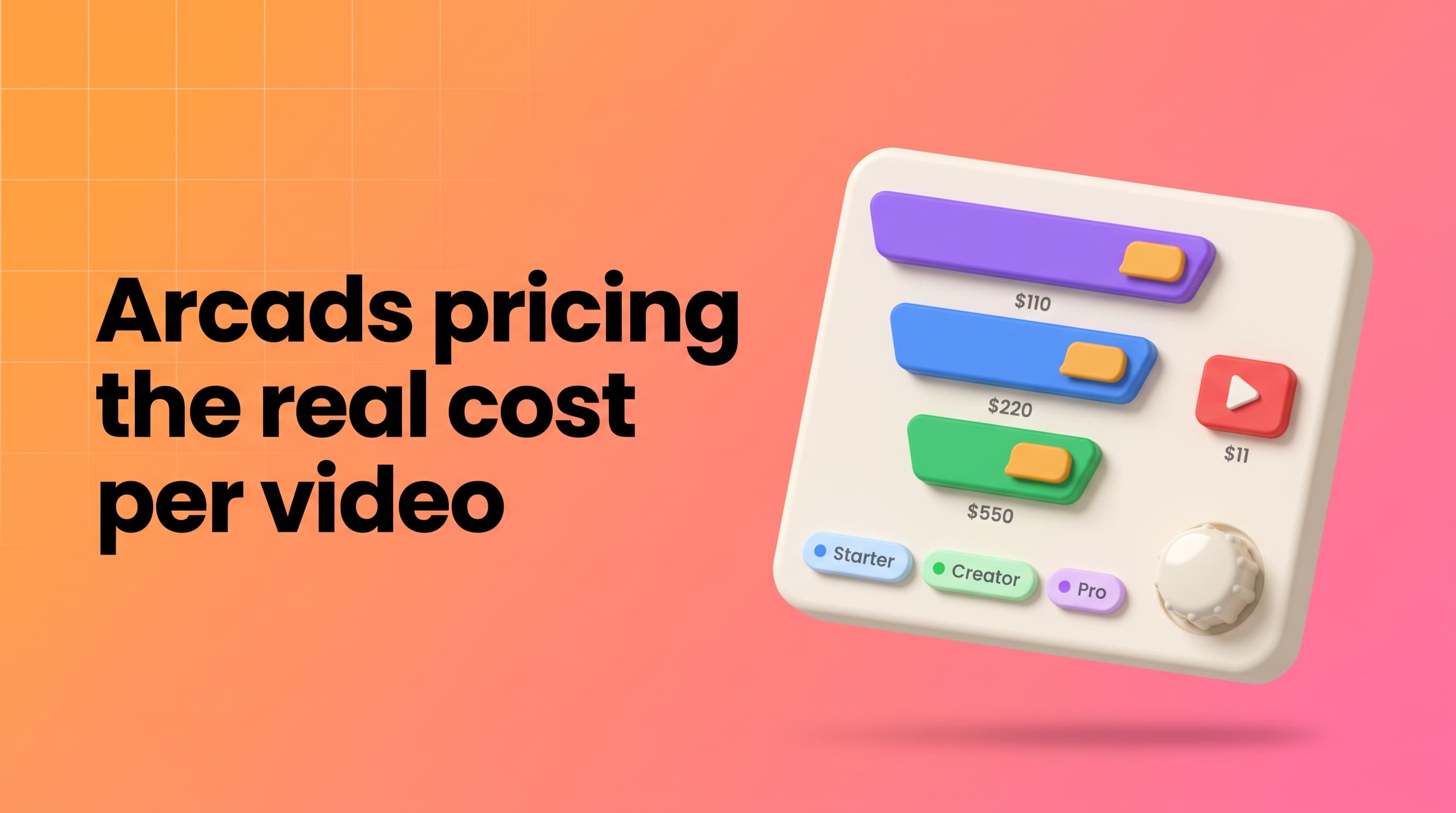
Arcads AI Pricing 2026: Complete Cost Per Video Guide
Arcads AI pricing is $110, $220 or $550 a month at 800 credits per actor-minute, with no public price page. See the real cost per video and cheaper options.