UGC ad creatives are ads shot to look like something a customer filmed rather than something a brand produced - a person, a phone camera, a room with normal light, and a product held in the hand. They win on platforms where polished advertising reads as advertising and gets scrolled. The bottleneck has never been the idea, it is the supply: a creator costs roughly $200 a video and turns one around in two weeks. In Pixair AI a UGC clip renders from your product photo and a script in about a minute, at 70 credits for ten seconds at 720p - $3.15 on the annual Business plan. That is the whole argument for making them this way: not that they are better than a great creator, but that you can afford to be wrong forty times before lunch.
One product photo and a written script. No shoot, no creator, no shipping a sample to a stranger.
What Are UGC Ad Creatives?
UGC stands for user-generated content, but as an ad format the name is a costume rather than a fact. Almost no UGC ad running on Meta or TikTok today was made by an actual unpaid customer. It was made by a paid creator, to a brand brief, to look like an unpaid customer. The format is a set of production choices: handheld framing, one take, a real room, ambient sound, direct address to camera, and a face that does not look like a model in a studio.
Those choices do a specific job. Paid social is a feed of people talking to a phone, and an ad that matches the surrounding grammar gets judged as content for a beat longer before it gets judged as an ad. That beat is the entire margin. It is also why UGC creative decays faster than static creative - the moment a format becomes recognisable as an ad format, it stops borrowing credibility and starts spending it.
Which means UGC is a volume game before it is a quality game. You are not looking for one perfect video. You are looking for the two out of thirty that hold, and then you are looking again next month because those two have burned out.
Why Is UGC Ad Creative So Hard to Scale?
Every constraint in UGC production is a human-logistics constraint, not a creative one. You have to find creators, vet them, negotiate, ship physical product, wait for delivery, wait for the shoot, review, request a re-record, and wait again. Each step has a person in it, and people do not parallelise. Doubling your creative output means doubling your creator roster and the coordination overhead that comes with it.
The second-order problem is that this cost structure quietly makes you conservative. When a video costs $200 and three weeks, you do not spend it on a weird hook you are only sixty percent sure about. You spend it on the safe read. So the expensive pipeline systematically filters out exactly the swings that produce outliers, and you end up paying a premium for a library of competent, forgettable creative.
Creator-sourced UGC
Roster, briefs, shipping, re-records

Pixair AI
Creator-sourced UGC
Roster, briefs, shipping, re-records
Pixair AI
Cost per 10s clip
$150 - $400
$3.15
Turnaround
2 - 3 weeks
About a minute
Product samples to ship
One per creator
None
Re-record a bad hook
New fee, new wait
Edit the script, rerender
Hooks testable per month
3 - 5
Limited by budget, not calendar
Same face across a series
Rebook the creator
Reuse the saved avatar
What Does a Month of UGC Ad Creatives Actually Cost?
Vendor pages quote a per-video price and stop there, which hides the number that actually governs your account: how many distinct creatives a fixed budget buys you in a month. Below is that math at both price points, using $200 as a mid-market creator rate and the 70-credit ten-second 720p clip at the $0.045 annual credit rate.
| Monthly creative budget | Creator videos at $200 | AI clips at $3.15 |
|---|---|---|
| $250 | 1 | 79 |
| $500 | 2 | 158 |
| $1,000 | 5 | 317 |
| $2,500 | 12 | 793 |
The interesting row is $500. Two creator videos is not a test, it is a coin flip you paid for. A hundred and fifty-eight clips is enough to run ten hooks against three scripts against three faces and still have budget left to rerender the winners at a longer cut. Same money, an entirely different kind of decision at the end of the month. If you want the equivalent math on a single hook test, the video ad hooks guide works it through at five variants.
What Does an AI UGC Ad Look Like?
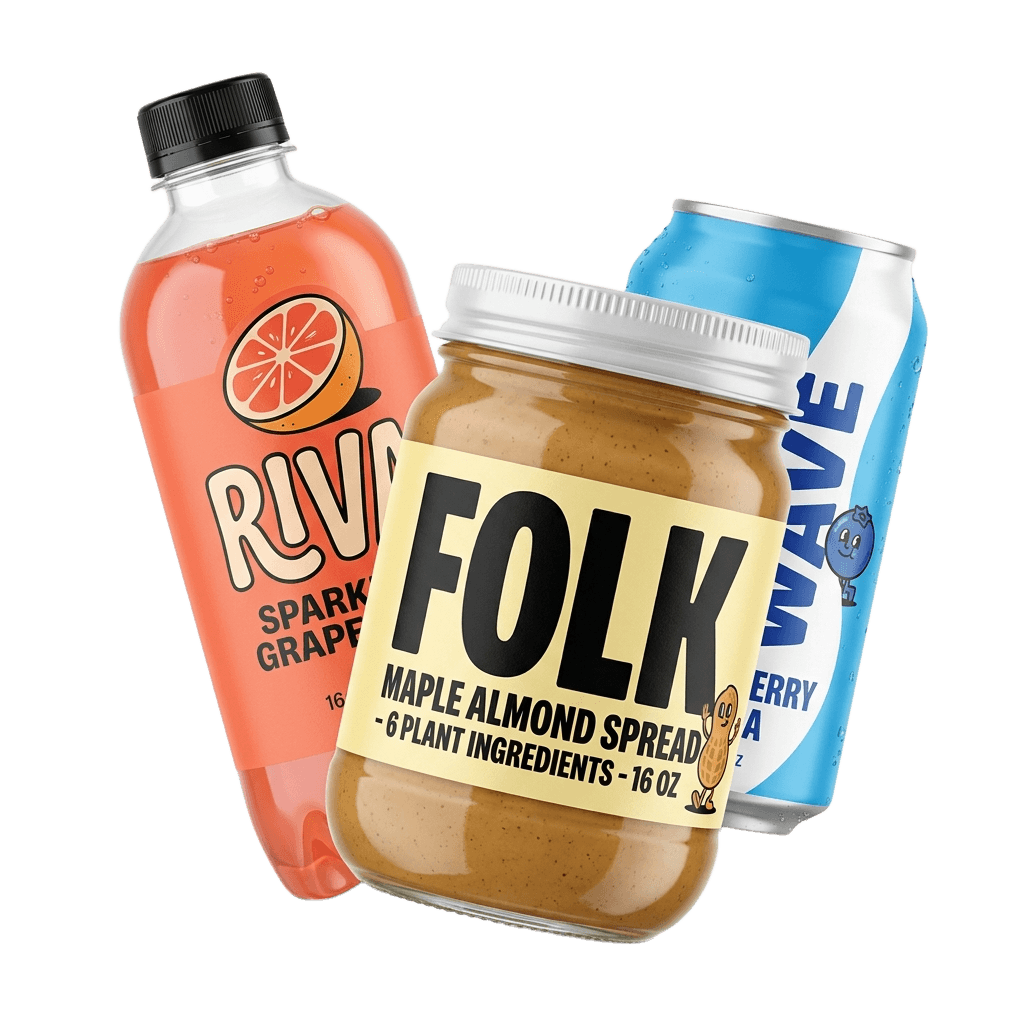
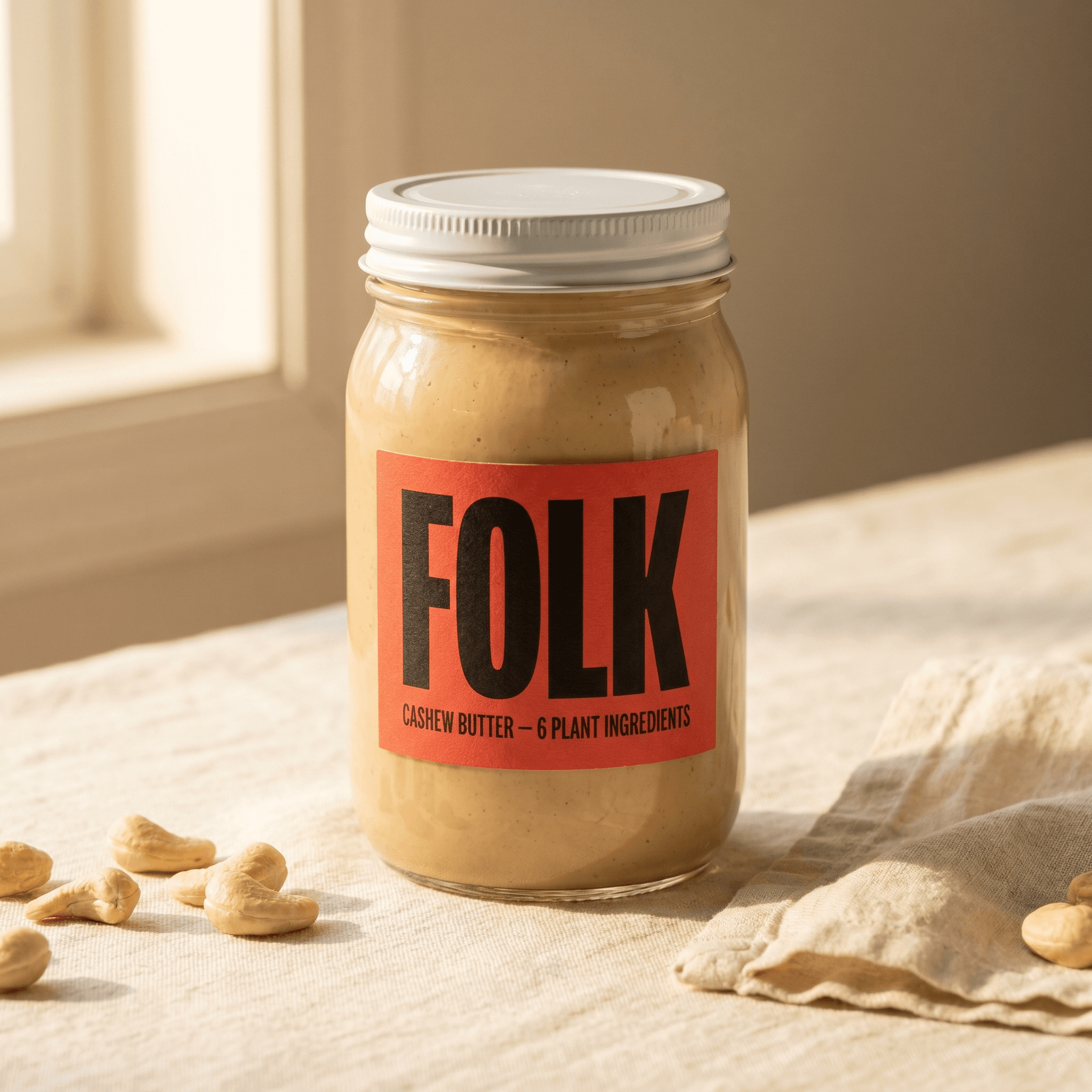
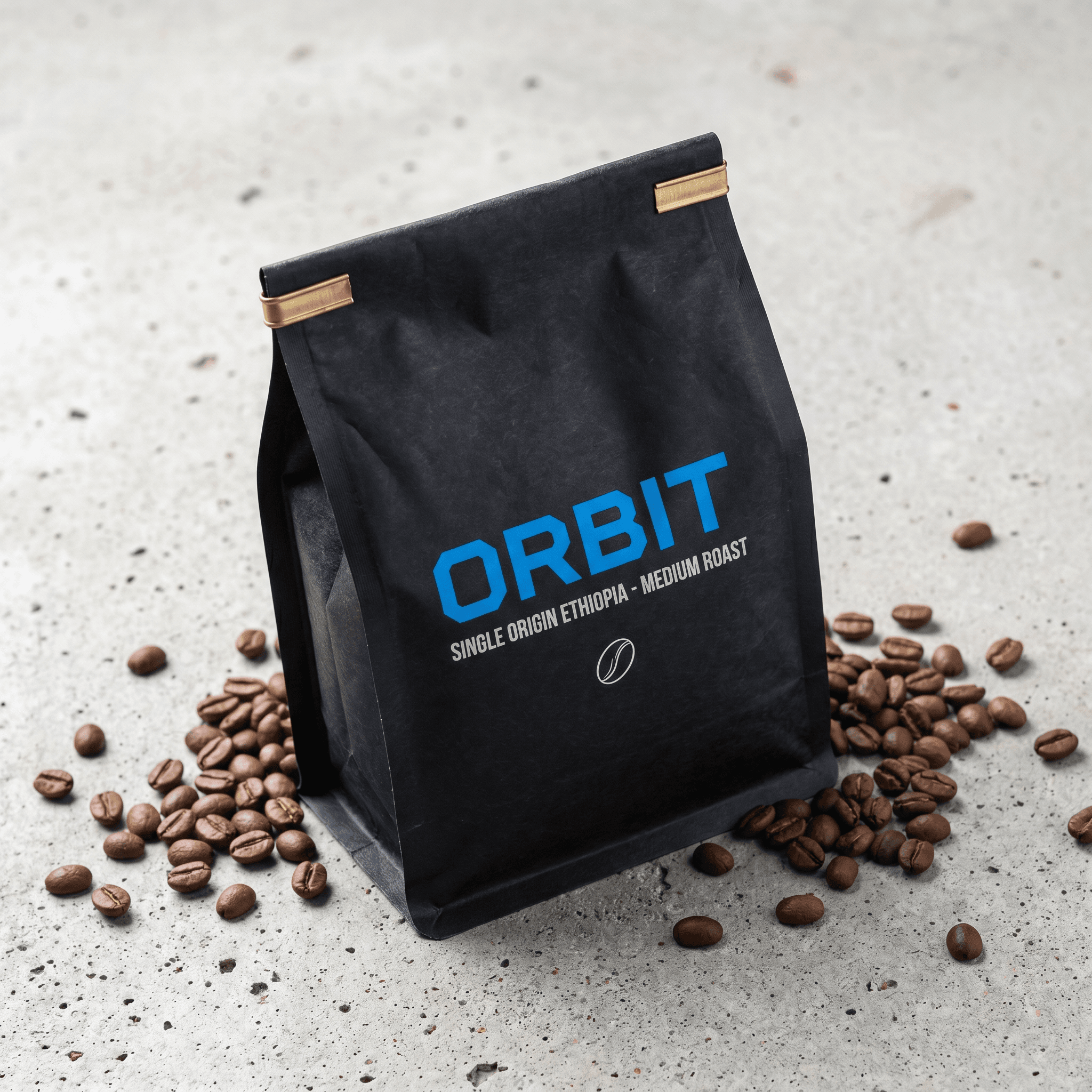
Reasonable scepticism here, so these are unedited renders rather than a showreel. Each one started as a single product photo plus a written script. Watch the hands and the product label - holding a real product convincingly is the part this format has historically failed at, and it is the part worth judging.
Two engines sit behind these. The standard one renders up to ten seconds and is what most testing should run on at 70 credits a clip. Seedance 2.5 goes to thirty seconds as one continuous take with native audio, at 331 credits for ten seconds at 720p - roughly 4.7x the price. Test on the first, produce the survivors on the second.
How Do You Make UGC Ad Creatives With AI?
Upload one clean product photo
A single shot on a plain background is enough - background removal runs built in. What matters is that the label is legible and in focus, because everything downstream inherits it. A soft or cropped label is the single most common cause of a render where the product drifts into a lookalike.
Cast the creator, then save them
Pick age, build, setting and delivery style rather than accepting a default face. Then save it: a UGC series works because the same person keeps showing up, and a reusable avatar is what lets clip four feel like a continuation instead of a fresh stranger. The AI avatar guide covers keeping one consistent across a whole campaign.
Write the script hook-first
Write the opening line before anything else, because it is the only line most viewers will hear. Ten seconds is roughly twenty-five spoken words - a hook, one claim, one reason to believe. Scripts you write yourself pass through verbatim, so if you already have a line that works, use it rather than letting a helper smooth it.
Render the same script against several hooks
Change one variable at a time. Hold the body of the script, the face and the setting constant, and swap only the opening three seconds. At $3.15 a clip you can run eight openings for under $26, which is the point where hook testing stops being a quarterly exercise and becomes a weekly one.
Which Hook Should the Clip Open With?
The hook is the only part of a UGC ad with real leverage, because it governs whether the other seven seconds are ever heard. Six mechanisms do nearly all the work: the open loop, the pattern interrupt, the negation, costly honesty, odd specificity, and starting mid-story. For UGC specifically, the two that overperform are costly honesty - naming a genuine drawback of your own product - and starting mid-story, which skips the setup a real person would never have filmed.
A hook that reads well on paper and one that plays well on camera are different objects, so these are the mechanisms delivered out loud:
Treat hooks as the unit of iteration rather than whole ads. The creative iteration workflow explains why swapping openings on a proven body beats rebuilding the ad, and ad creative A/B testing covers reading the result without fooling yourself.
Five Rules for UGC Ad Creatives That Convert
Put the product in frame in the first second. UGC that opens on a talking face and reveals the product at second six loses the viewers who needed to know what category they were in. Hand-held from frame one, label visible.
Never let it look colour-graded. The instinct to make the render prettier is the instinct that kills the format. Slightly flat light, a slightly untidy background and a slightly imperfect frame are load-bearing. Polish reads as brand, and brand reads as ad.
Write for sound-off, then add sound. A large share of feed views start muted. If the ad only works when you can hear it, it only works for a fraction of impressions - so caption the hook and make the demonstration beat legible visually.
Retire clips on a schedule, not on a hunch. UGC fatigues faster than static because the format itself is the novelty. Assume a three to four week life at meaningful spend and have the replacements rendered before the drop shows up in CPA.
Keep one face for the series, change everything else. Recognition compounds across a campaign. Vary the setting, the hook and the claim, but keep the saved avatar - a returning person reads as a customer with an ongoing relationship to the product, which is the exact thing the format is imitating.
Once a UGC clip proves out, the same product photo and angle carry over into static placements without a second shoot - the Instagram ad creatives guide covers that hand-off, and turning a product photo into a video ad covers the reverse direction.


Frequently Asked Questions
UGC ad creatives are video ads produced to look like content a customer filmed on their phone rather than advertising a brand produced - handheld framing, a real room, ambient light, and direct address to camera. In practice almost none are made by actual unpaid customers; they are made by paid creators or rendered with AI to a brand brief. The format works because it matches the visual grammar of the feed it runs in, so it is judged as content for a moment before it is judged as an ad.
A UGC creator charges roughly $150 to $400 per video in 2026, plus the cost of shipping them a product sample and two to three weeks of turnaround. Rendering the same clip with AI in Pixair AI costs 70 credits for ten seconds at 720p, which is $3.15 on the annual Business plan at $45 per 1,000 credits. At a $500 monthly budget that is the difference between two videos and 158.
Yes. You upload one product photo, cast an AI creator by age, build, setting and delivery style, write a script, and the clip renders in about a minute with lip-synced audio. No creator sourcing, no product samples shipped, and no re-record fee when a hook does not land - you edit the line and rerender. The saved avatar can be reused so the same face carries across an entire campaign.
Ten seconds is the right default for testing, which is roughly twenty-five spoken words: a hook, one claim, one reason to believe. The standard engine renders a ten-second clip at 720p for 70 credits. When a clip proves out and needs a longer cut, Seedance 2.5 renders up to thirty seconds as one continuous take with native audio, at 331 credits for ten seconds at 720p - about 4.7x the price, which is why it belongs on winners rather than on tests.
Assume a three to four week useful life at meaningful spend. UGC fatigues faster than static creative because the novelty of the format is doing part of the work, and that novelty is the first thing to wear off. Render the replacements before performance drops rather than after - the tell is rising CPM on a creative whose CTR has not moved yet.
Keep reading
Related articles
Video Ad Hooks: How to Win the First 3 Seconds
Six video ad hook mechanisms with real examples, plus the math on testing five hooks for $11.05 instead of $1,500. Buy the first three seconds, cut your CPM.
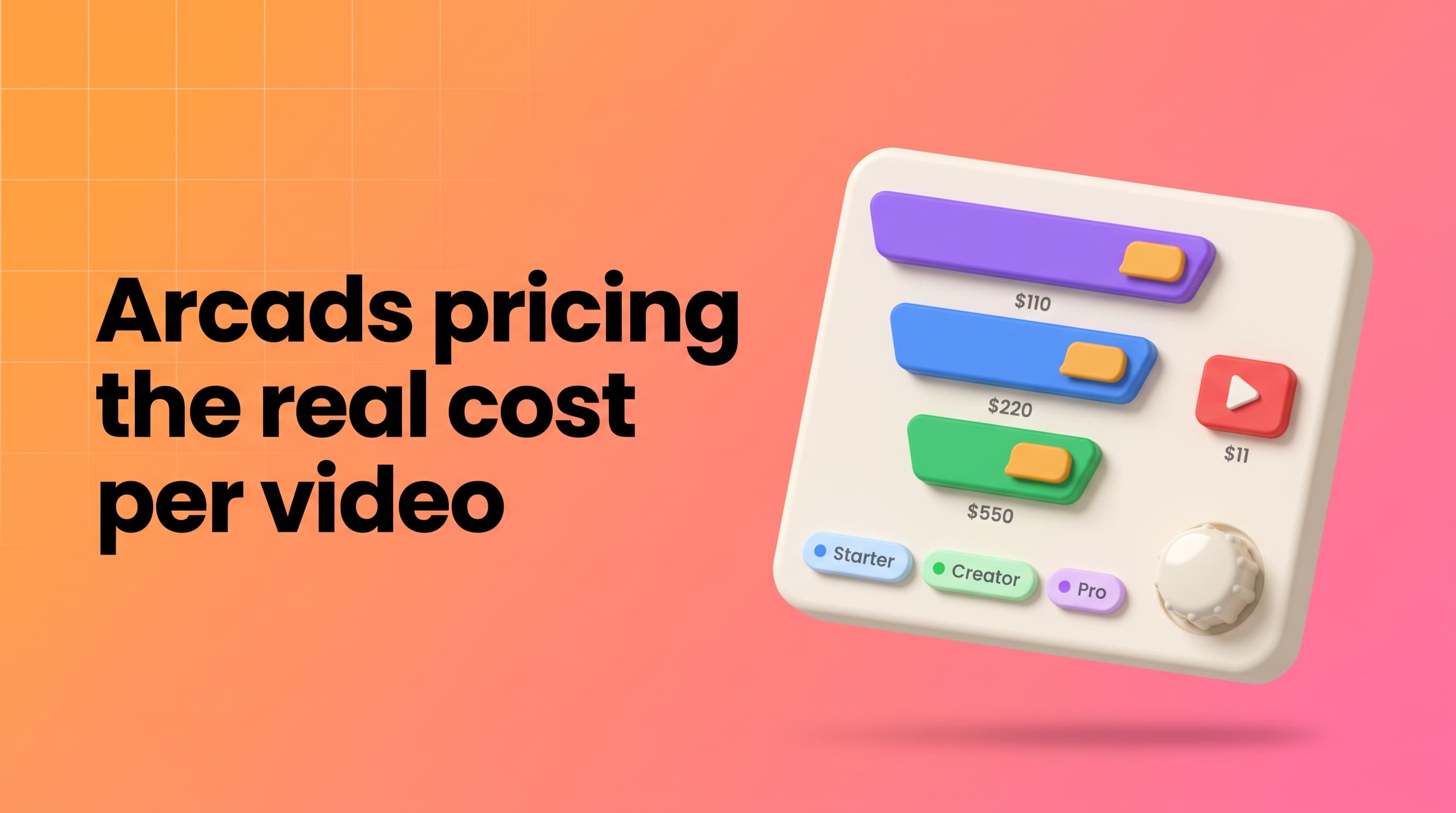
Arcads AI Pricing 2026: Complete Cost Per Video Guide
Arcads AI pricing is $110, $220 or $550 a month at 800 credits per actor-minute, with no public price page. See the real cost per video and cheaper options.
Best Creatify Alternative 2026: Free, No Watermark, From $7
Creatify starts at $39/month and watermarks every free video. This Creatify alternative gives 30 free credits with no watermark, then plans from $7/month.